Outdoor Alternatives to TV for Kids: A How-To Guide
The Barefoot Bub may earn a commission from links on this page. We choose products independently.
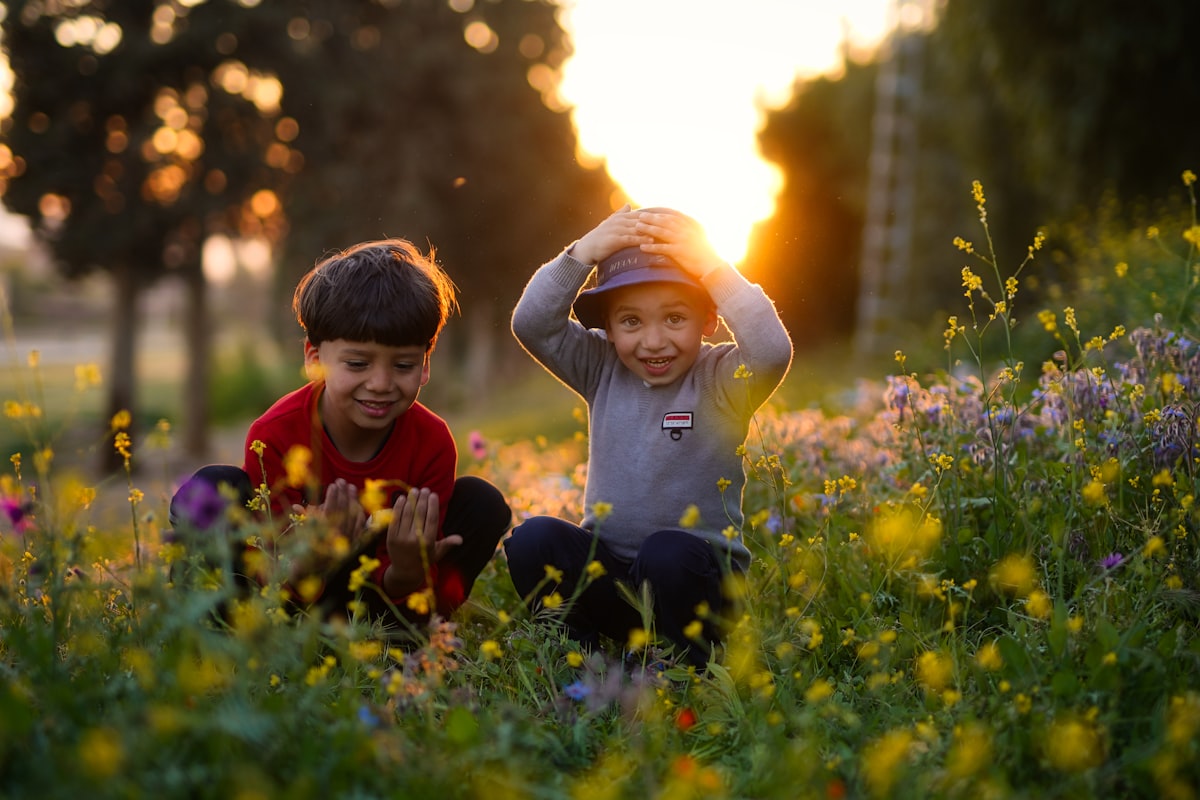
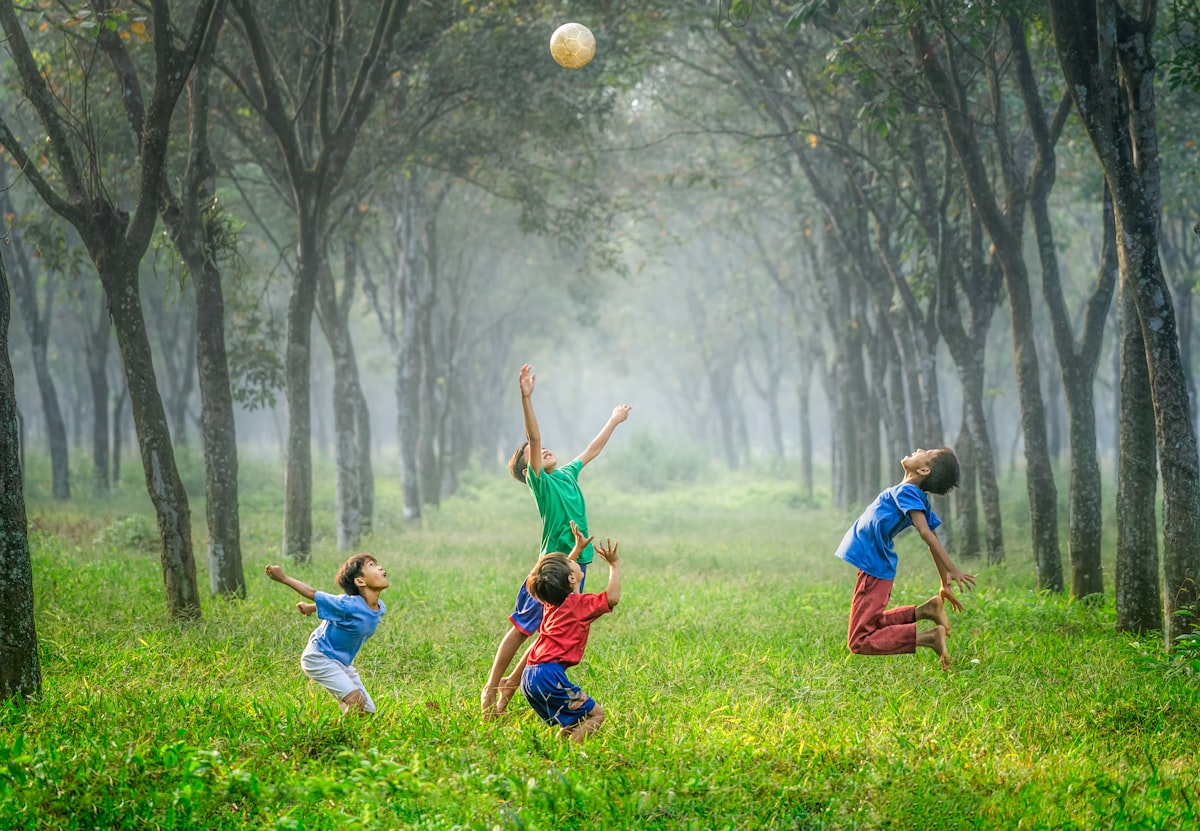
The best outdoor alternatives to TV for kids are simple, low-prep activities that swap passive screen time for active sensory play in fresh air, think nature scavenger hunts, mud kitchens, backyard bug safaris, puddle walks, and chalk obstacle courses. Most require nothing more than what's already outside your front door, and they consistently hold kids' attention longer than a single episode of anything.
If you've ever turned off the TV and immediately heard "but what do I do now?", this one's for you. The truth is, kids aren't wired for boredom outside the way they are inside. Outside, there's texture and sound and things that move on their own. The problem isn't that nature is boring; it's that we sometimes need a gentle on-ramp to get started. These activities are designed to be quick to set up, flexible for different ages, and genuinely fun enough that you'll stop having to ask twice.
What You'll Need
Nothing here requires a special trip to the store. Raid your recycling bin and kitchen drawers and you'll have most of it already.
- Old containers, bowls, and spoons (mud kitchen staples)
- A piece of chalk or a stick for drawing
- A magnifying glass (even a cheap plastic one works great)
- A small bucket or bag for collecting nature treasures
- Sunscreen, a hat, and layers appropriate for the weather
- Water and a snack (non-negotiable, hangry kids don't hike)
- An open mind and about 15 minutes to get started
The Activities: Step by Step
1. Run a Nature Scavenger Hunt
Write or draw a simple list of things to find outside, a smooth rock, something yellow, a feather, a bug, a leaf with spots. Hand it to your kid with a small bag and let them go. For toddlers, keep the list to four or five items with drawings instead of words. For older kids, add trickier challenges like "something that smells interesting" or "something older than you." The hunt structure gives kids a sense of purpose, which is exactly what makes it a real screen-time swap, they're not just filling time, they're on a mission.
Make it easier: Do it together and narrate as you go. Make it harder: Add a camera and turn it into a photo hunt for school-age kids.
2. Set Up a Backyard Mud Kitchen
Designate a small patch of dirt, hand over some old pots and spoons, and add water. That's it. Mud kitchens are one of the highest-engagement, lowest-cost activities you can offer a toddler or preschooler. The sensory input, wet, heavy, cold, gritty, is genuinely regulating for kids' nervous systems, which is the opposite of what a screen does. Add leaves, sticks, and petals for "ingredients" and don't be surprised when they're still out there an hour later.
Make it easier: Use a plastic storage tub filled with potting soil if you don't have a good dirt patch. Make it harder: Give older kids a "recipe" challenge and have them describe what they made.
3. Go on a Bug Safari
Lift a rock. Check under a log. Look at the underside of a leaf. The backyard is genuinely teeming with life, and most kids just need someone to point them toward it. A magnifying glass turns this from a casual walk into a full investigation. Name what you find, talk about what it eats, wonder out loud about where it's going. You don't have to know the answers, curiosity is the whole point. Bugs are endlessly fascinating and completely free, which makes this one of the best TV alternatives we know.
Make it easier: Stick to one spot, under a single stepping stone or along a garden wall. Make it harder: Keep a nature journal and sketch what you find.
4. Make a Chalk Obstacle Course
Grab a piece of chalk and draw a course on your driveway or footpath: hop on one foot to the circle, jump over the line, spin three times at the star. You can make it as elaborate or as simple as the age demands. This one is great for burning physical energy while also building coordination and following instructions, two things kids genuinely need after extended screen time. Change up the course every few days so it stays fresh.
Make it easier: Let toddlers draw their own shapes and make up their own rules. Make it harder: Time older kids with a stopwatch and let them try to beat their own record.
5. Take a Puddle Walk (Yes, Even When It's Wet)
Rain gear on, boots on, out the door. There is something about walking specifically to jump in puddles that feels delightfully purposeful to kids. It reframes wet weather from a reason to stay in to a reason to go out, which is a mindset shift worth building early. Keep the walk short, around the block is plenty, and let them lead. The mess is real, but it shakes off at the door.
Make it easier: Keep rain gear by the door so the barrier to going out is as low as possible. Make it harder: Turn it into a science moment, which puddle is deepest? Which dries up fastest?
Bergen 2.0 PU Rain Set, Toddlers'/Kids'
If puddle walks are going to become a regular thing (and they should), having a proper rain set makes all the difference. The Bergen 2.0 keeps kids dry without restricting movement, which means they'll actually wear it without a fight, and you'll actually reach for it on grey-sky days.
View on Amazon →6. Build a Nature Fort or Den
Collect sticks, prop them against a tree or fence, add leaves for a roof. Kids have been building dens for as long as there have been kids and trees, and the appeal has not worn off. Den-building encourages spatial thinking, problem-solving, and creative play, and once it's built, it becomes a base for every other outdoor game that follows. It also gives kids a sense of ownership over a little patch of the outdoors, which is worth more than it sounds.
Make it easier: Drape a blanket over a low branch to create an instant "den" while younger kids build up to the real thing. Make it harder: Challenge older kids to make theirs weatherproof and test it with a watering can.
How to Make Getting Outside Feel Effortless
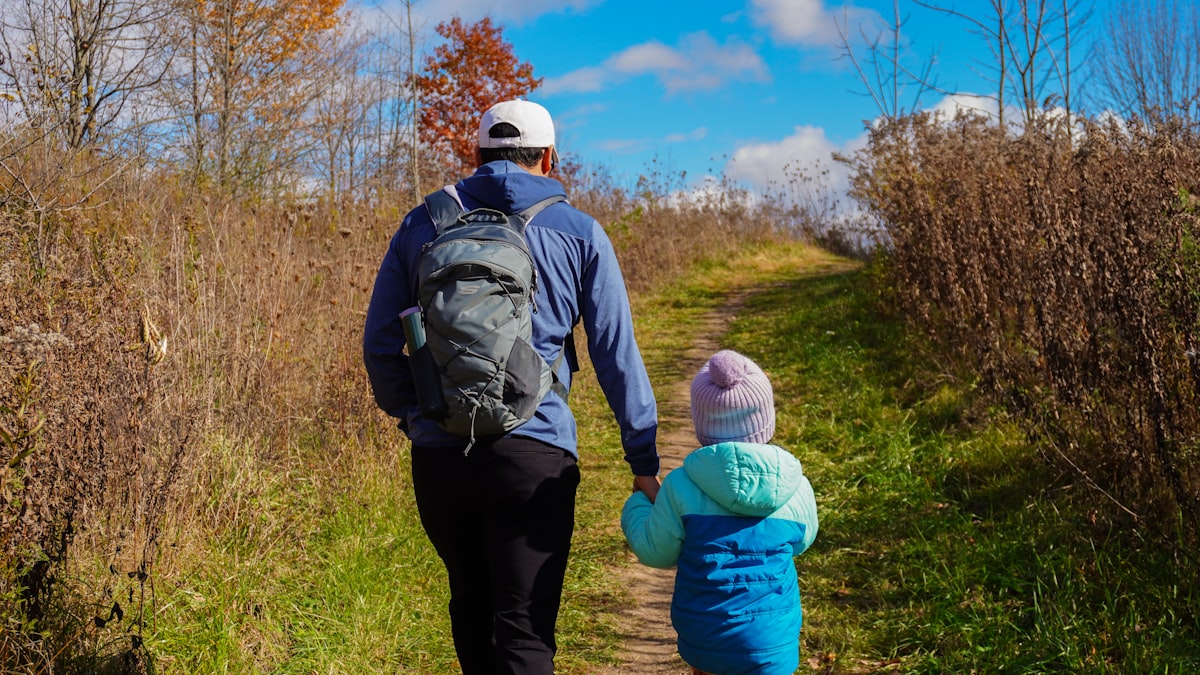
The hardest part of any outdoor activity isn't the activity, it's leaving the house. A few things that actually help: keep a "go bag" packed near the door with sunscreen, snacks, and a spare layer so you're never starting from zero. Build a short outdoor window into your daily rhythm at the same time each day so it becomes expected rather than negotiated. And if you've got a baby or toddler in tow on bigger adventures, a good carrier makes the whole thing smoother, you stay hands-free, they stay happy, and you can actually move.
Osprey Poco™ Child Carrier
For parents who want to take longer walks or light trails with a toddler who's hit their walking limit, the Osprey Poco is a genuine game-changer. It's comfortable for both parent and kid, has a solid sunshade built in, and lets little ones stay part of the action without slowing you down.
View on Amazon →Frequently Asked Questions
Add these picks to your The Barefoot Bub registry
Build your outdoor childhood kit with everything we recommend.
Start Your Registry