Benefits of Outdoor Play for Children: A How-To Guide
The Barefoot Bub may earn a commission from links on this page. We choose products independently.
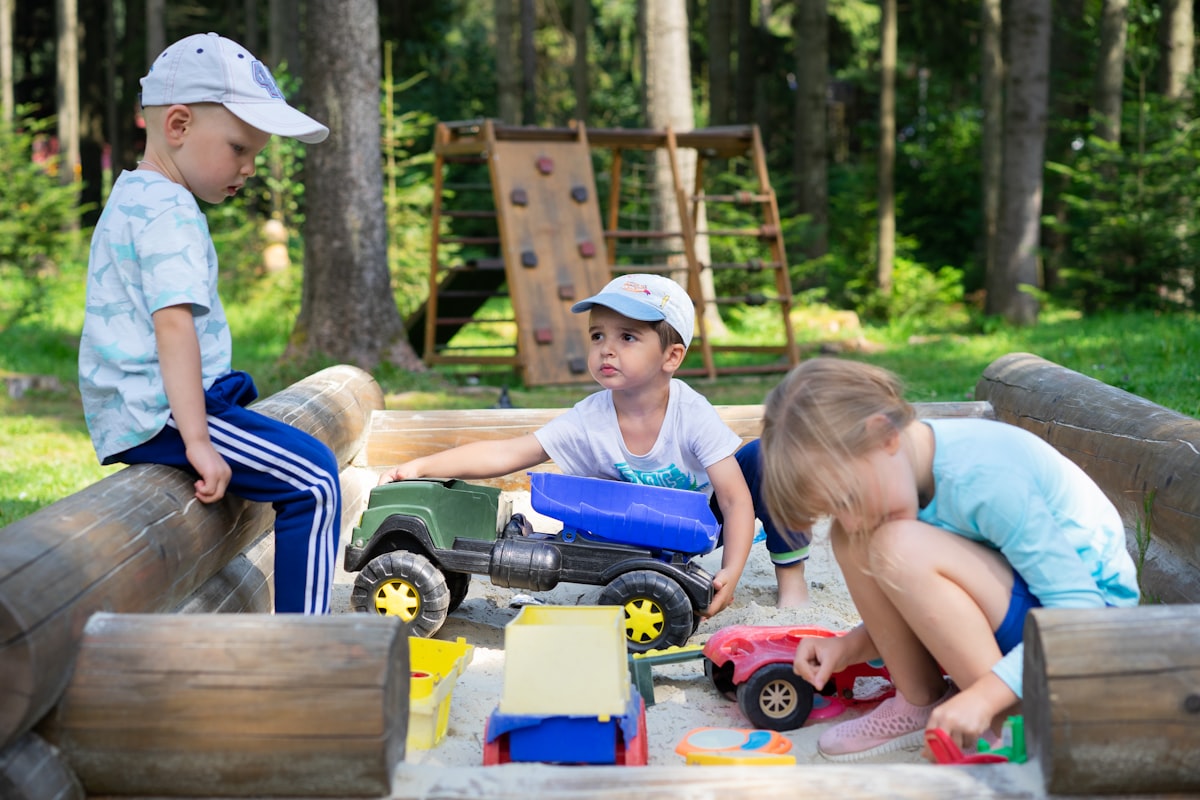
Outdoor play supports children's physical development, emotional regulation, creativity, and cognitive growth — and the research behind it is solid. The benefits of outdoor play for children show up in everything from stronger immune systems and better sleep to improved focus and happier moods. The good news? You don't need a grand plan to make it happen. You just need to get out the door.
Most of us know, somewhere in the back of our minds, that getting outside is good for our kids. But knowing it and actually building it into the rhythm of real life — between school pickups, work, nap windows, and unpredictable weather — is a different thing entirely. This guide is less about convincing you why outdoor play matters and more about showing you how to make it a consistent, low-friction part of your family's everyday. Think of it as a practical playbook: small steps, real adaptations, and a few tools that genuinely help.
What the Research Actually Says
Before we get into the how, it's worth grounding ourselves in why. Studies published in journals like Pediatrics and reports from the American Academy of Pediatrics consistently link regular outdoor time in children to reduced anxiety, better attention spans, stronger gross motor skills, and improved social development. Richard Louv, author of Last Child in the Woods, coined the term "nature-deficit disorder" to describe what happens when children spend too little time connected to the natural world — and the downstream effects on behavior and wellbeing. Beyond the headlines, what the research tells us is surprisingly practical: even 20–30 minutes of unstructured outdoor play per day moves the needle meaningfully for children across all age groups. It doesn't have to be a hike. It doesn't have to be a nature reserve. A backyard, a neighborhood park, a trail around the block — it all counts.
What You Need to Get Started
The beauty of outdoor play is that it requires almost nothing. But having a few basics ready to go removes the friction that keeps so many families inside. Here's what we'd suggest having on hand:
- Weather-appropriate layers for your child (and yourself)
- A carrier or stroller for younger children who need to be transported
- Snacks and water in something spill-proof and easy to grab
- Sunscreen and/or a hat depending on the season
- A lightweight bag that lives by the door, pre-packed and ready
- A flexible attitude about mess, detours, and plans changing
That last one is genuinely the most important piece of gear you own.
How to Build Outdoor Play Into Your Day: Step by Step
Step 1: Start with a "Daily Outside" commitment, not a goal.
Instead of aiming for a long hike or a structured activity, simply commit to going outside every day — even for 15 minutes. The length and the activity don't matter as much as the consistency. Research shows that children who get regular, predictable outdoor time show more cumulative benefit than those who get occasional long outings.
Step 2: Set a trigger, not a schedule.
Schedules with young kids tend to collapse fast. Instead, attach your outdoor time to something that already happens reliably — right after breakfast, immediately after school, or as part of the pre-nap wind-down walk. Habit stacking makes it automatic rather than another decision you have to make at an already busy moment.
Step 3: Dress for it the night before.
One of the biggest barriers to getting outside with little ones is the getting-ready process. Laying out clothes the night before — rain pants, a warm layer, a sun hat — cuts the friction dramatically. Keep your child's outdoor kit simple, weatherproof, and in one obvious spot. The faster you can get out the door, the more often you will.
Step 4: Follow your child's lead once you're out.
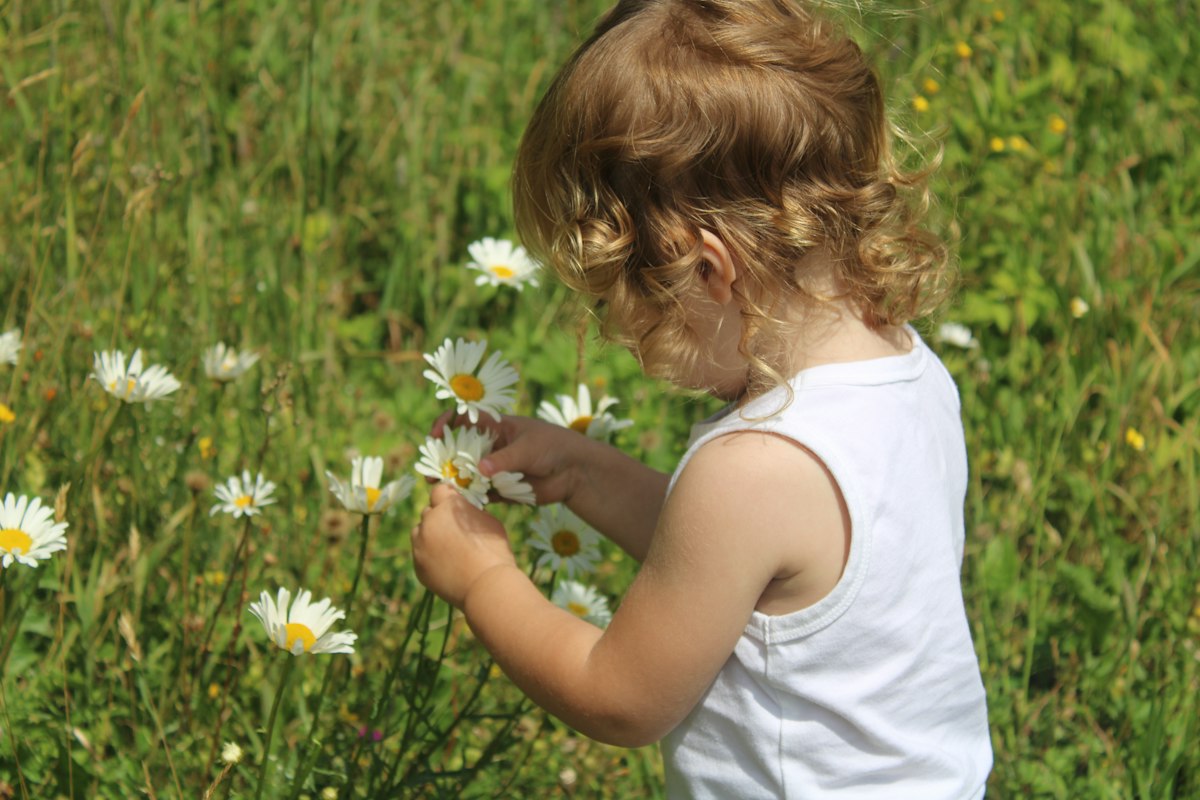
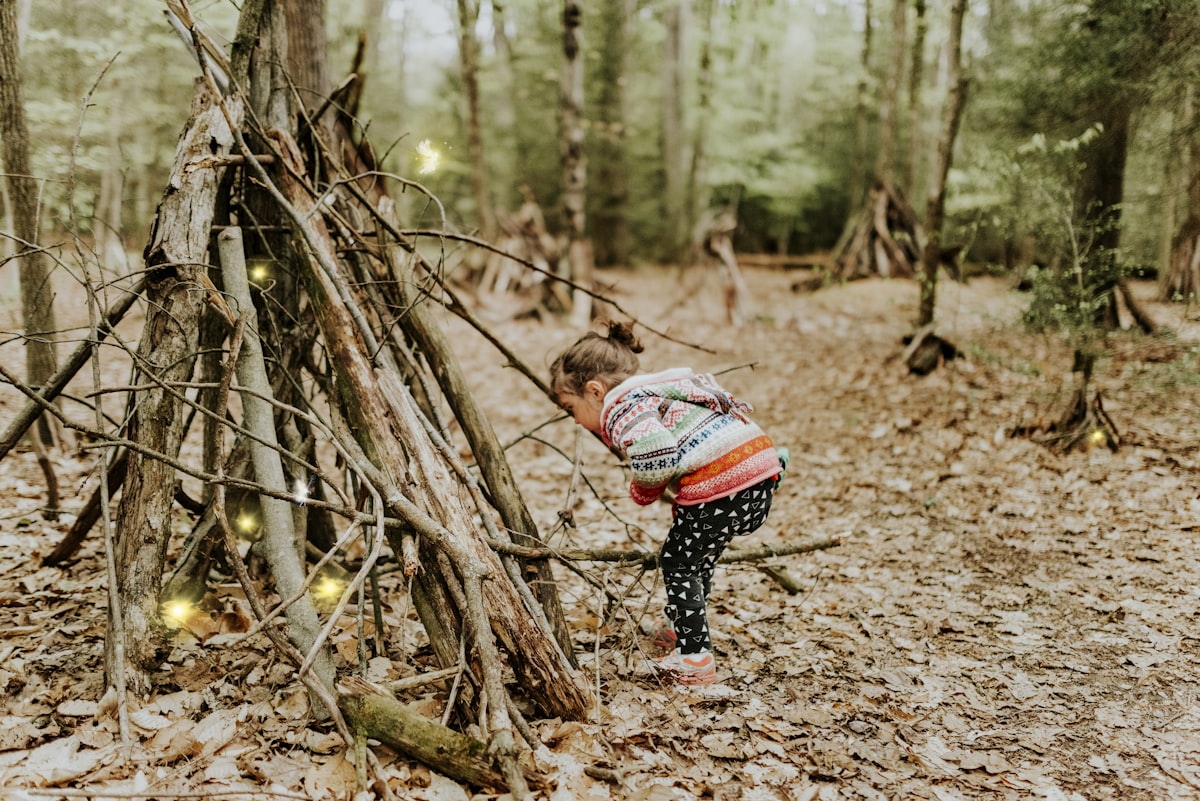
Unstructured outdoor play is where the developmental magic really happens. Resist the urge to direct the activity — let them investigate the mud, collect sticks, lie in the grass and watch clouds. Children's brains are genuinely designed for this kind of open-ended exploration, and the cognitive benefits (creativity, problem-solving, executive function) are strongly linked to play that is child-led rather than adult-directed.
Step 5: Bring a snack and stay longer than you planned.
There's a reason snacks are the secret weapon of outdoor parenting. A good snack extends any outdoor session by a solid 20 minutes and usually resets the mood entirely. Pack something you don't have to think about — something already in a container, ready to pull out — and suddenly a quick park visit becomes a real outdoor hang.
PlanetBox Rover Stainless Steel Bento Box
A genuinely grab-and-go snack solution — we love the divided compartments for keeping things organized and the sturdy construction that survives being dropped, sat on, and dragged through sand. Pre-pack it the night before and it's ready to throw in any bag on the way out the door.
View on Amazon →Step 6: Make it work for all weather.
"We can't go out today" is almost always about gear, not weather. Once your child has a waterproof layer and you're not worried about wet clothes, rainy days become adventures instead of obstacles. Puddle-jumping in the rain, sensory play in fallen leaves, building with snow — weather variety actually expands the developmental benefits of outdoor play by introducing new textures, temperatures, and challenges.
Adapting for Different Ages and Abilities
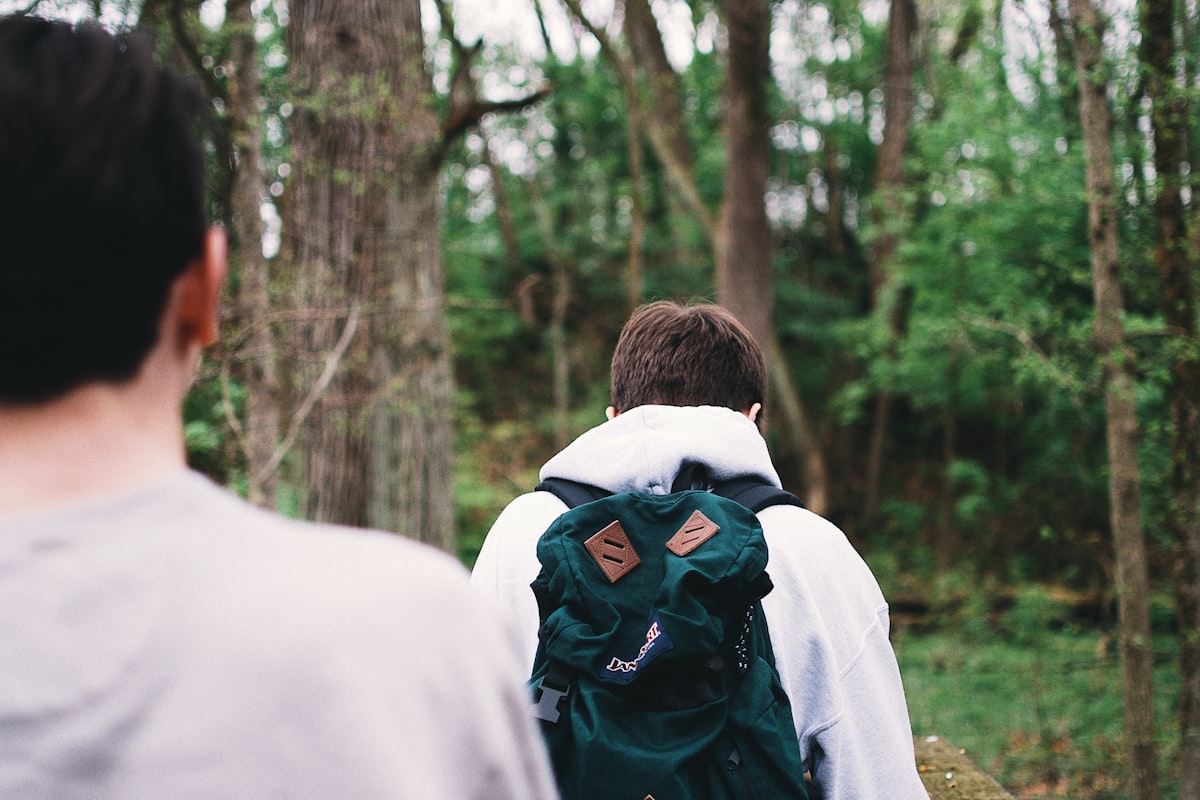
The framework above works across ages, but here's how to scale it:
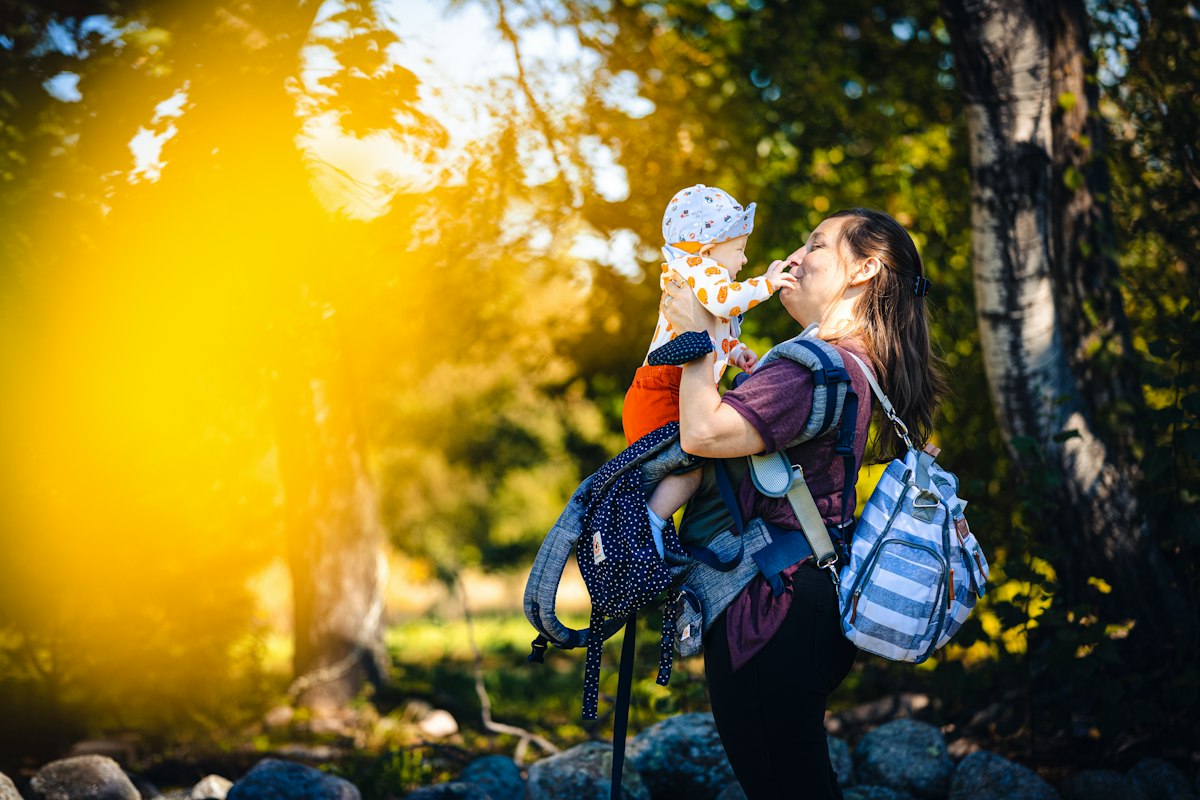
Make it easier (younger babies and newborns): For 0–12 month olds, outdoor play looks like being held, carried, or resting in a stroller while you move through the world. The sensory input — wind on their face, dappled light through trees, the sound of birds — is genuinely stimulating and beneficial even at this age. A carrier that keeps them close and your hands free is your best friend here.
Osprey Poco™ Child Carrier
For older babies and toddlers who want to see the world from up high, the Poco is the carrier we come back to again and again — the structured frame keeps your back comfortable on longer outings, and the built-in sunshade means you're covered in most conditions. It genuinely makes going further feel possible.
View on Amazon →Make it richer (older toddlers and preschoolers, 2–6yr): Introduce simple nature invitations — a magnifying glass, a field guide, a small notebook for "discoveries." You're not running a class; you're just giving them a hook. Even a mason jar for collecting rocks adds enough intention to keep curious kids engaged for far longer than you'd expect.
For kids with sensory sensitivities: Start with familiar, quieter outdoor environments — your own backyard, a calm trail at an off-peak time. Gradual exposure is the goal. Consult your pediatrician or occupational therapist if you're navigating specific sensory needs alongside outdoor time.
Frequently Asked Questions
Add these picks to your The Barefoot Bub registry
Build your outdoor childhood kit with everything we recommend.
Start Your Registry