Best Non-Screen Activities for 3 Year Olds in 2026
The Barefoot Bub may earn a commission from links on this page. We choose products independently.

The best non-screen activities for 3 year olds lean into their natural drive to move, explore, and make things with their hands. Unstructured outdoor play, sensory activities like water and sand, imaginative pretend play, and simple creative projects consistently deliver the engagement and developmental benefits that screens can't. The key is keeping the barrier to entry low so these activities actually happen, every day.
Three is a genuinely great age. Your kid has opinions, stamina, and an imagination that hasn't been told yet what's possible or impossible. They want to dig, build, pour, run, and narrate elaborate stories about absolutely nothing. The tricky part isn't finding activities they'll love — it's breaking the habit of defaulting to a screen when you need five minutes of calm or an easy answer to "I'm bored." This guide is a practical starting point: real activities, real benefits, and the research behind why they matter.
Why Non-Screen Play Matters So Much at Age 3
Age three sits right in the middle of a critical window for brain development. The American Academy of Pediatrics notes that hands-on, play-based learning drives the kind of cognitive and social-emotional growth that passive screen consumption simply doesn't replicate — particularly for children under five. When a 3 year old builds a block tower, they're working on spatial reasoning, cause and effect, fine motor control, and frustration tolerance all at once. That's a lot of developmental work disguised as fun.
Research published by the American Academy of Pediatrics recommends that children aged 2–5 have no more than one hour per day of high-quality programming, with caregivers watching alongside them. But beyond the limits, the real goal is building a life full of alternatives so engaging that screens simply compete less. That's a habit worth building now, while they're still at the age where a cardboard box genuinely rivals anything on a tablet.
Pediatric occupational therapists also point out that sensory-rich, self-directed play builds the "attentional muscles" that help kids regulate focus later in school. The research here is well-documented — Zero to Three describes play as the primary vehicle through which toddlers and preschoolers learn to process the world.
Outdoor Activities That Win Every Time
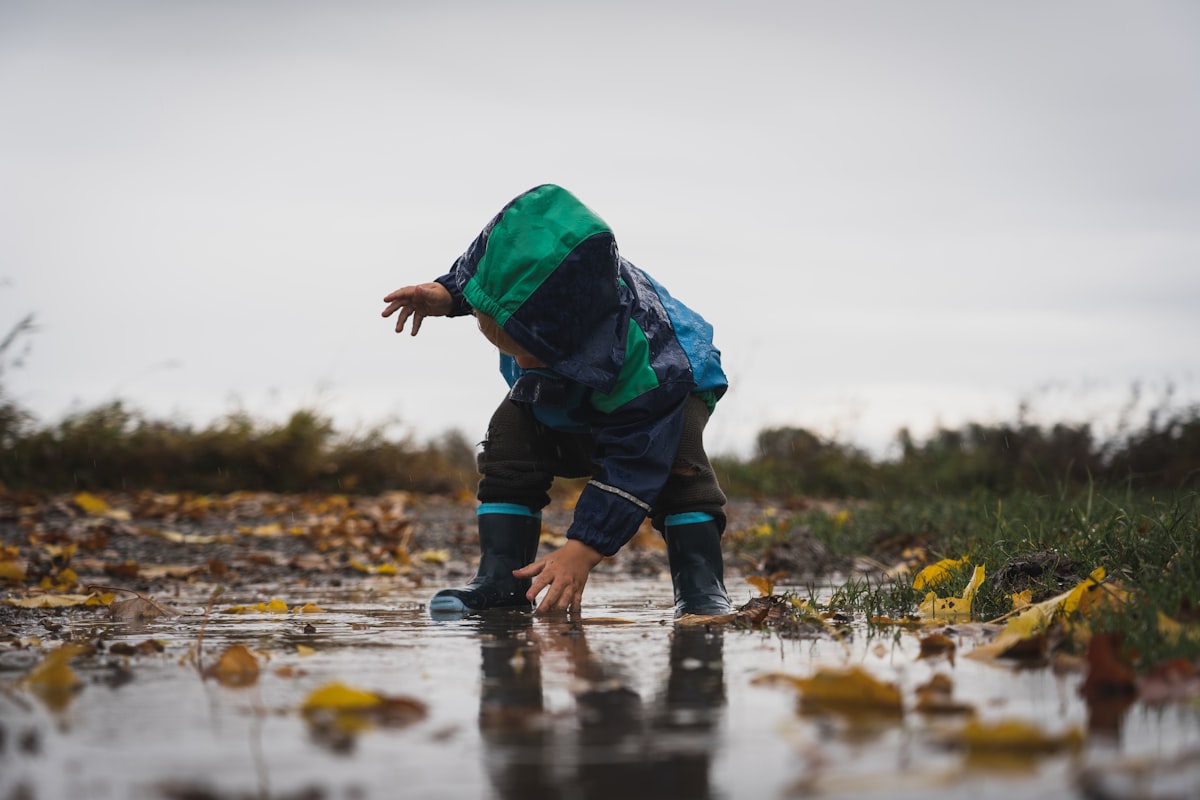
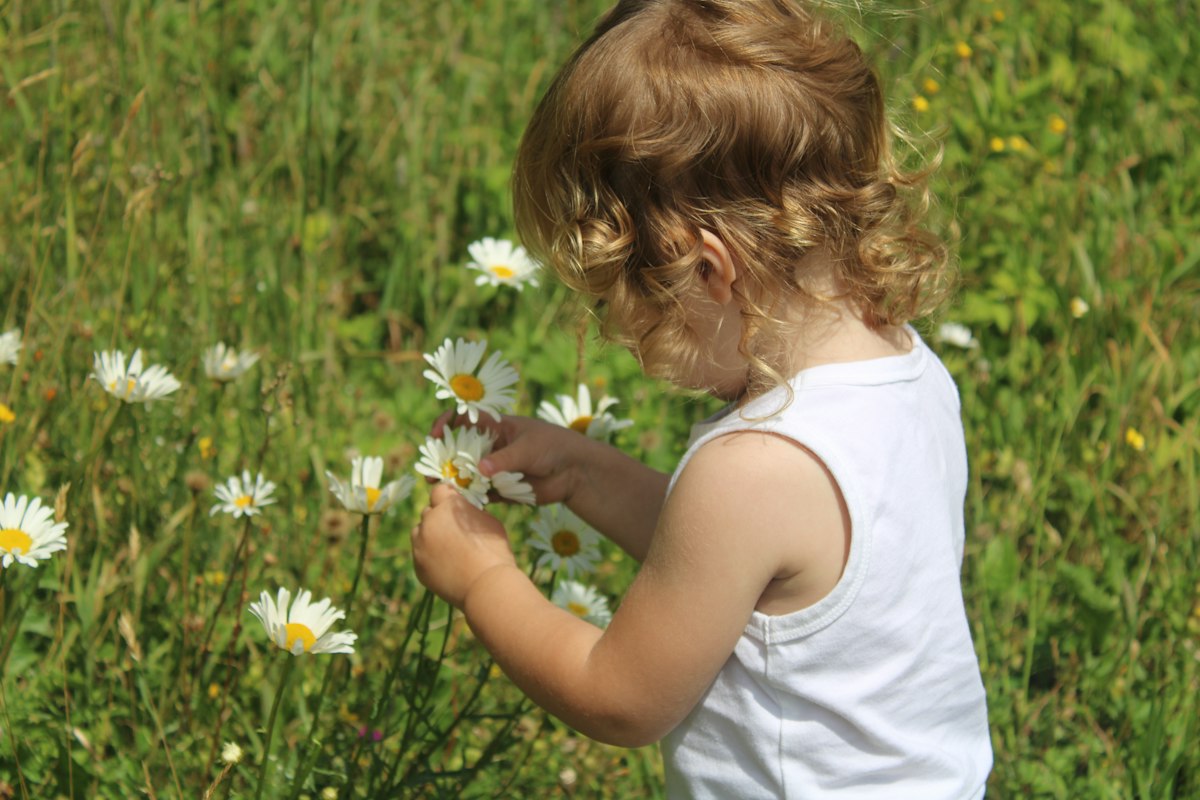
Three year olds and the outdoors are a natural match. They're mobile enough to explore but still young enough to be genuinely amazed by a snail on a leaf. Getting outside doesn't require a destination or a plan — a backyard, a neighborhood sidewalk, or a local park is more than enough.
Some of our favorite go-tos at this age:
- Mud kitchen play — A plastic bin, some old pots, water, and dirt. This one runs itself.
- Nature scavenger hunts — Give them a simple list (a red leaf, something rough, something alive) and watch them focus for longer than you'd expect.
- Puddle jumping and water play — A pair of waterproof boots and permission to get wet is genuinely all you need.
- Bug hunting — A cheap magnifying glass from the dollar store elevates this immediately.
- Sandbox or dirt digging — Open-ended, self-directed, and endlessly variable.
Pediatric researchers at the Children & Nature Network have documented the broad benefits of regular outdoor play for young children — from reduced stress hormones to improved attention and physical fitness. The beauty is that you don't need a big gear setup to make it happen. The activity is the point, not the equipment.
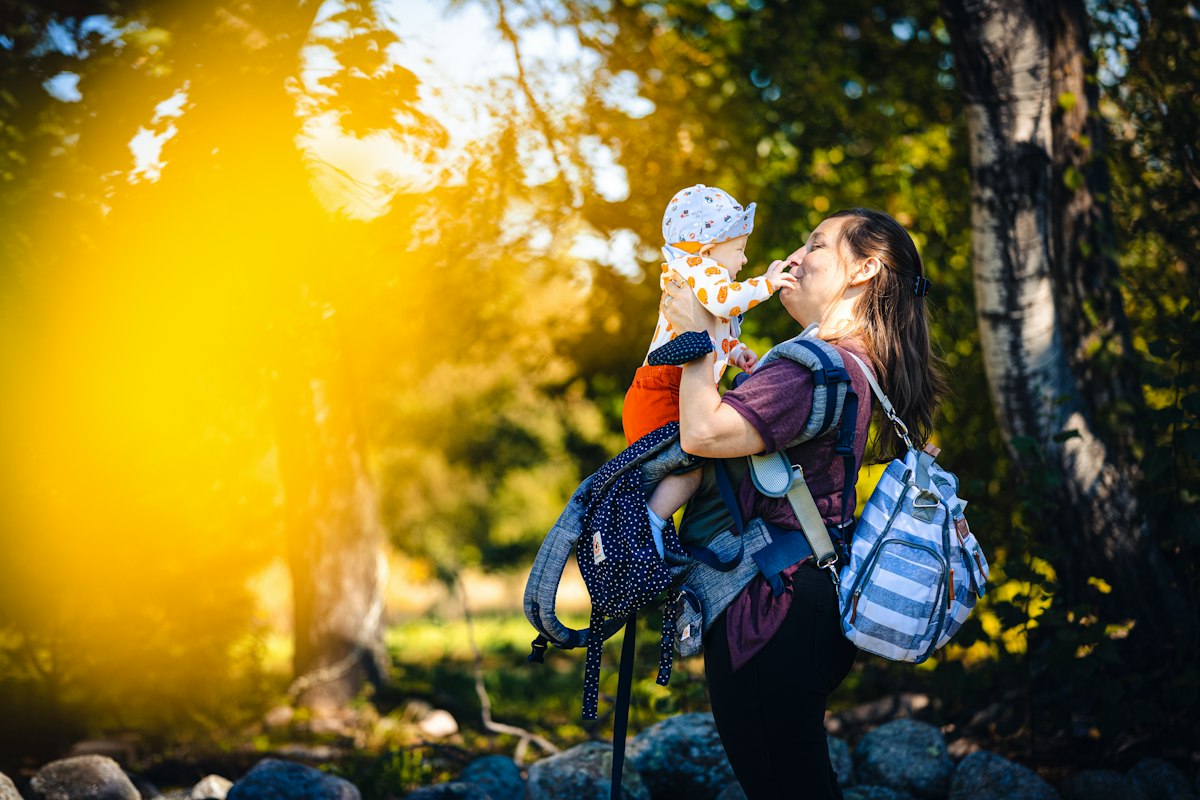
That said, if your 3 year old is at the age where long walks or hikes are part of your family rhythm, a good child carrier can extend adventures well past the point where little legs give out. We have a soft internal roundup of our favorite toddler carriers if you're looking for options at this stage.
Sensory and Creative Activities for Indoor Days
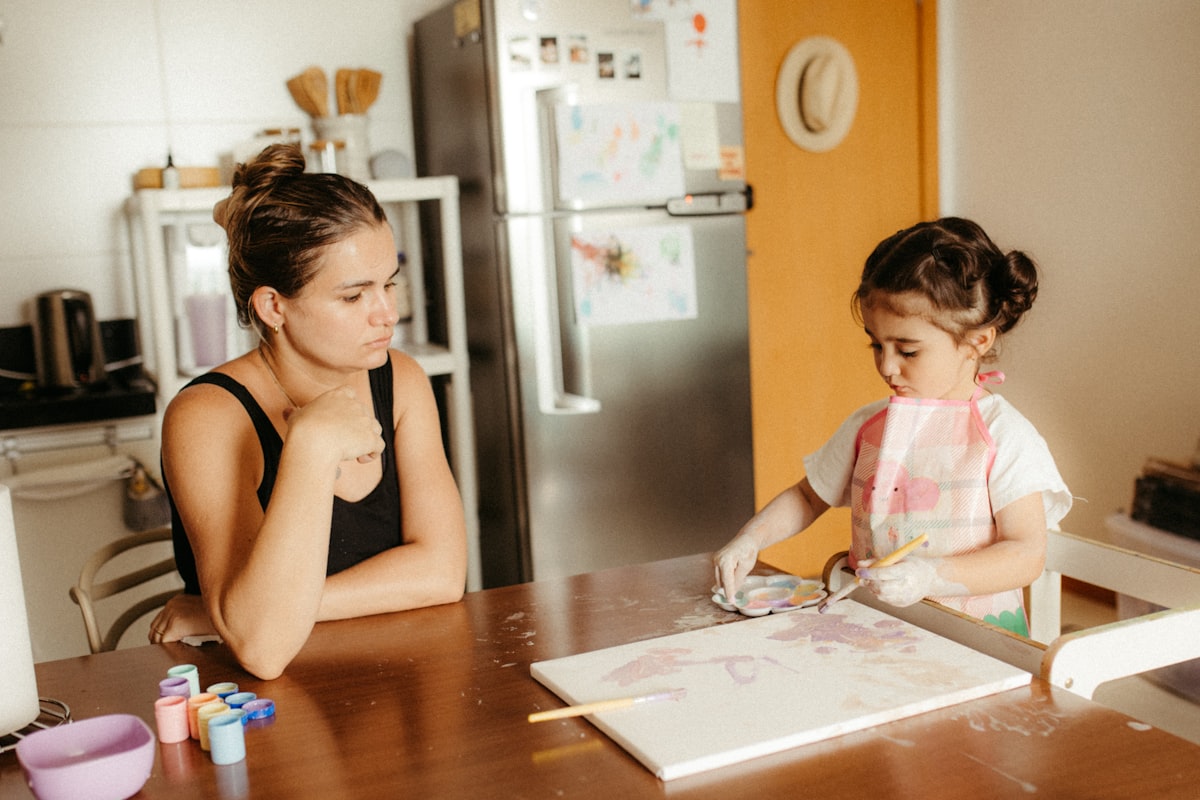
Not every day is an outdoor day — and that's fine. Three year olds thrive on sensory input, which means there are easy, low-mess (or joyfully messy) alternatives that still deliver the developmental benefits of hands-on play.
Start with what you already have:
- Playdough — Homemade or store-bought, this is one of the highest-return activities per dollar for this age group. Fine motor work, imaginative play, and sensory input all at once.
- Water play at the sink — Give them a plastic cup, a funnel, and some measuring spoons. This is early science, honestly.
- Finger painting or watercolors — Process art, not product art. They're not making something for the fridge; they're exploring what paint does.
- Building with blocks or cardboard boxes — Spatial reasoning, physics, and creative storytelling, all bundled together.
- Pretend play setups — A "kitchen," a "doctor's office," or just a blanket fort. Three year olds are peak pretend players and they'll run with almost any prompt you give them.
If you're looking for a read that digs into the science behind why open-ended, hands-on play is so valuable — and what we've lost by replacing it — the book Hunt, Gather, Parent by Michaeleen Doucleff is worth a place on your nightstand.
Hunt, Gather, Parent by Michaeleen Doucleff
A genuinely fascinating read for parents who want to understand how other cultures approach childhood independence, helpfulness, and unstructured play — with real, practical takeaways you can use the same week you finish it.
View on Amazon →What to Do When They Say "I'm Bored"
Here's the thing about boredom: it's not a problem to solve. It's the entry point to imaginative play. The research backs this up — Zero to Three consistently emphasizes that unstructured, self-directed play is where the real developmental magic happens. When we rush to entertain our kids the moment they express boredom, we interrupt that process before it gets started.
That doesn't mean leaving them completely adrift. At 3, they sometimes need a small spark to get going. Low-lift prompts that work well:
- "I wonder what happens if..." — Leave a question in the air and walk away.
- Set out materials without instructions — A bin of kinetic sand, some small toys, a few cups. No setup required from them, but total open-endedness once they engage.
- Involve them in what you're doing — Washing vegetables, sorting laundry, sweeping the porch. Three year olds genuinely love to help, and it's real-world learning disguised as chores.
- Rotate toys — Putting half their toys in storage and switching them out every few weeks makes the returning toys feel new again.
The goal isn't to fill every moment. It's to build a home environment where non-screen options feel natural and available, so the default reach isn't always toward a device.
Building Habits That Stick Beyond Age 3
Activities are great, but what you're really building at this age is a relationship between your child and the non-digital world. The habits they form now around play, boredom tolerance, and comfort with the outdoors tend to carry forward. That's a longer-term investment than any single afternoon craft.
A few things that help it stick:
- Routine outdoor time — Even 20 minutes after dinner creates an expectation. It becomes "what we do," not something that has to be negotiated.
- Your own engagement — Not hovering, but being present nearby. Three year olds play longer and more deeply when a trusted adult is in the vicinity.
- Keep gear simple and accessible — Boots by the door, art supplies at kid height, sidewalk chalk in a bucket outside. Friction is the enemy of consistency.
- Let it be imperfect — The mud, the mess, the half-finished paintings — that's not a problem. That's the point.
If you want to go deeper on the research side, How to Raise a Wild Child by Scott Sampson is an accessible, encouraging read that connects the science of nature connection to practical everyday parenting — without making you feel like you need to move to a forest to do it right.
How to Raise a Wild Child by Scott D. Sampson
Evidence-based, warm, and genuinely useful — this book makes the case for nature connection in early childhood and gives you real, practical strategies for making it part of everyday life, wherever you live.
View on Amazon →Frequently Asked Questions
Add these picks to your The Barefoot Bub registry
Build your outdoor childhood kit with everything we recommend.
Start Your Registry