How Much Outdoor Time Do Kids Need? A Practical Guide
The Barefoot Bub may earn a commission from links on this page. We choose products independently.
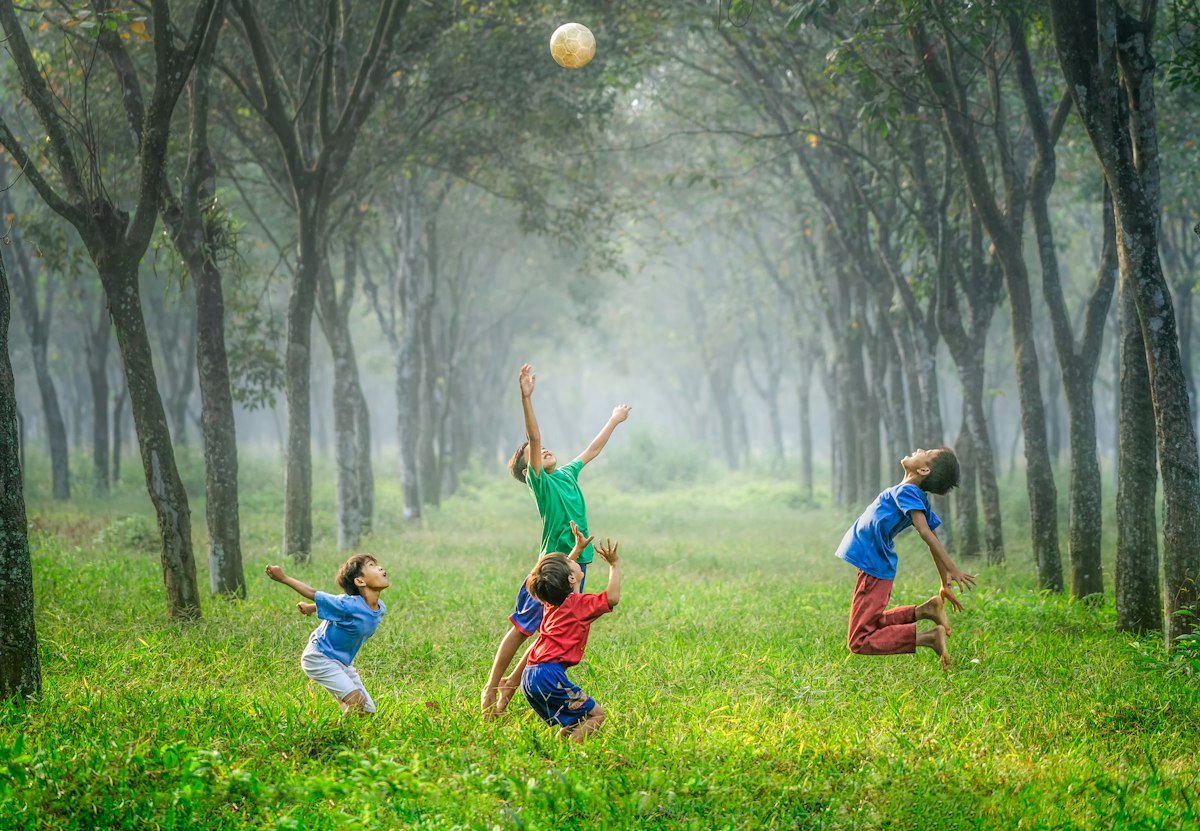
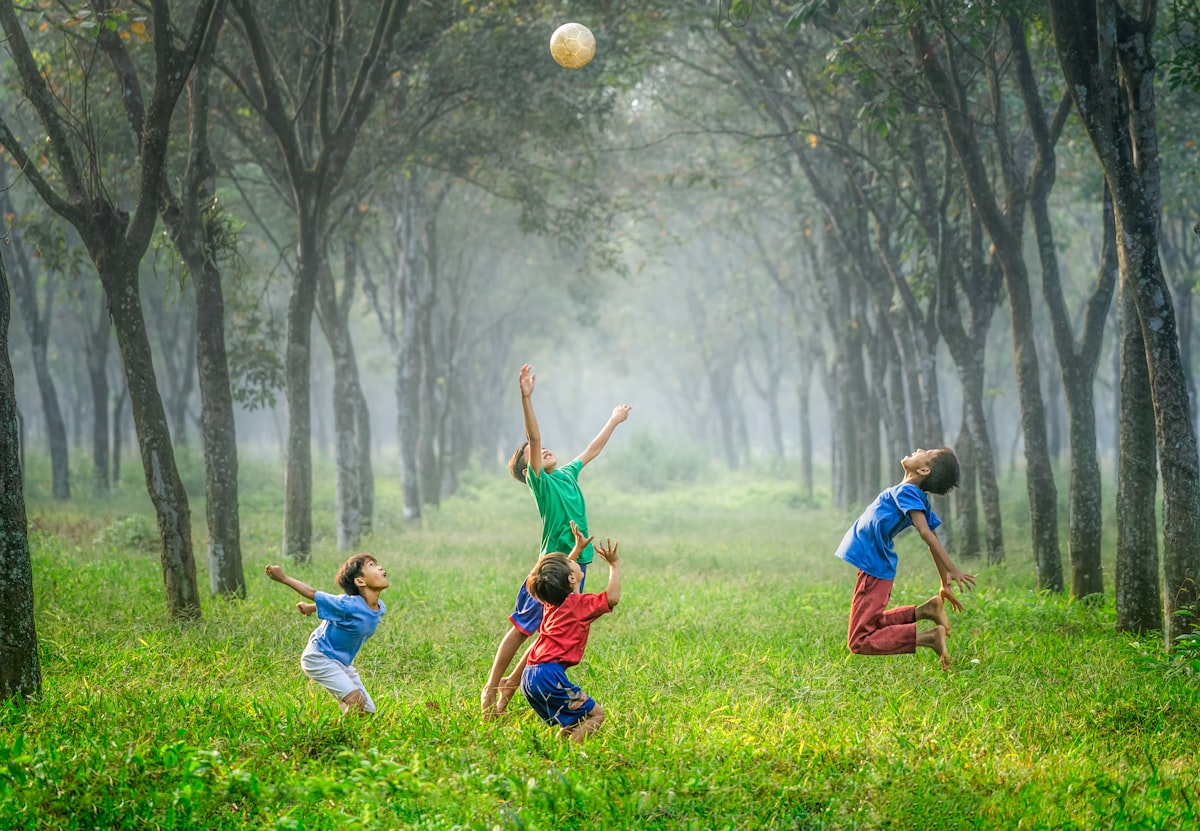
Most pediatric and public health guidelines recommend at least 60 minutes of active outdoor play daily for children ages 3 and up, with babies and toddlers benefiting from several shorter outdoor sessions spread throughout the day. The research is clear: regular time in nature supports physical development, emotional regulation, sleep, and attention — and almost no child in the US is currently getting too much of it.
If you've ever found yourself wondering whether the hour your kids spent in the backyard "counts," or feeling vaguely guilty on a screen-heavy day, you're not alone. The question of how much outdoor time kids actually need is one of the most common things parents ask — and the honest answer is: probably more than they're getting, but also more achievable than you think. This guide breaks down the real recommendations by age, what the science actually says, and how to build outdoor time into your family's routine without it feeling like another thing on the to-do list.
What the Guidelines Actually Say (By Age)

There's no single universal number, but several leading organizations offer solid benchmarks. The American Academy of Pediatrics encourages unstructured outdoor play every single day. The World Health Organization recommends that children ages 3–4 get at least 180 minutes of physical activity daily (a good chunk of which should happen outside), while kids 5 and older need 60 minutes of moderate-to-vigorous activity each day.
For babies under 12 months, the goal isn't mileage — it's exposure. Short stints of fresh air, natural light, and varied sensory input (grass underfoot, birdsong, a breeze) all count. For toddlers ages 1–3, aim for several 15–30 minute outdoor windows throughout the day rather than one long block. Preschoolers (3–5) do best with a mix of free outdoor play and active outdoor time totaling at least two to three hours. School-age kids (6 and up) should hit that 60-minute active outdoor minimum, ideally including some time that isn't structured sport — just open-ended play in a green space.
The bottom line: the older the child, the more intentional you may need to be about making it happen. But for every age group, frequency matters more than duration. A little every day beats one big weekend adventure.
What You'll Need to Make Daily Outdoor Time Happen
Before we get into the step-by-step routine, here's the honest list of what actually helps. This isn't about gear for gear's sake — it's about removing friction so that "let's go outside" stops being a negotiation.
- A reliable carrier or stroller for babies and young toddlers
- A go-bag that lives by the door (diapers, snacks, sunscreen, a spare layer)
- Weather-appropriate layers for the kids — the ones that don't require hand-washing
- A loose daily rhythm with one or two predictable outdoor windows built in
- Realistic expectations: 15 minutes in the yard is a win. It all counts.
Osprey Poco™ Child Carrier
For families trying to get outside daily with a baby or toddler in tow, a great carrier is genuinely the difference between going and not going. The Osprey Poco makes longer outings feel effortless — it's supportive for parents, comfortable for the child, and fits both caregivers without a full re-fit. It's the kind of gear that quietly earns its keep every single week.
View on Amazon →How to Build a Daily Outdoor Routine: Step by Step
Step 1: Anchor outdoor time to something you already do
The easiest outdoor habit isn't a new habit — it's a tweak to an existing one. After morning milk, after school pickup, before the dinner wind-down. Pick one transition in your day that already happens reliably and attach 15–20 minutes outside to it. You don't need a plan for what to do. Just the threshold.
Step 2: Start smaller than feels worth it
Ten minutes on the front porch counts. Five minutes in the backyard while you drink your coffee counts. The research on nature and child wellbeing doesn't set a minimum threshold that requires a trail map. Frequent, low-pressure exposure to outdoor environments is what builds the habit — for kids and for you. Let the bar be embarrassingly low at first.
Step 3: Stack outdoor time with what your child already loves
If your toddler is obsessed with trucks, bring the trucks outside. If your four-year-old loves drawing, hand them chalk and point at the driveway. If your school-age kid is going through a bug phase, let them dig. Nature doesn't need to be the point — it just needs to be the setting. The developmental benefits show up regardless of whether the child is "doing nature" intentionally.
Step 4: Weather-proof your routine
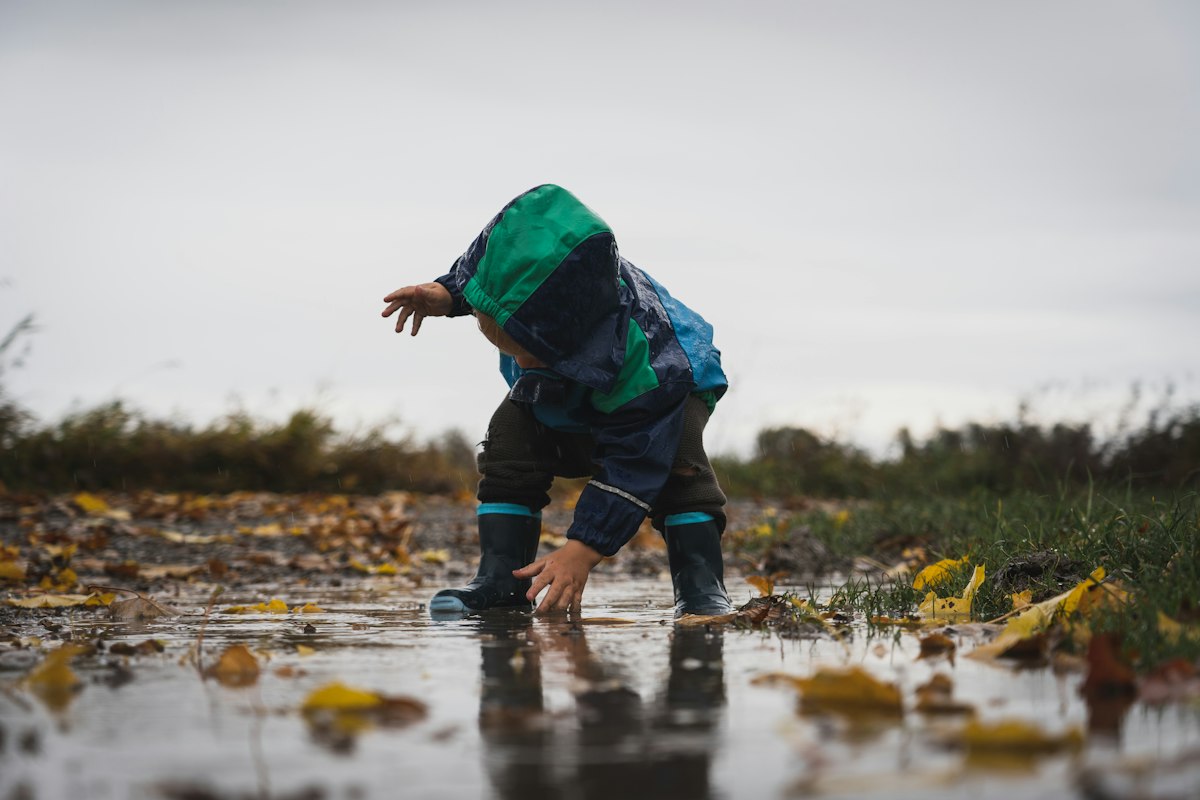
The single biggest barrier most families hit is weather. Rain, cold, or blazing heat sends everyone back inside — and then the habit unravels. The fix isn't toughening up; it's dressing right. A good rainsuit for toddlers and a covered stroller for babies genuinely changes the math on rainy days. Once you've done a few wet-weather walks and discovered everyone survived (and usually had a great time), it stops being a reason to cancel.
Bergen 2.0 PU Rain Set - Toddlers'/Kids'
A proper rain jacket and pants set is what makes "we go outside in all weather" actually true rather than aspirational. The Bergen 2.0 is fully waterproof, easy to pull on over regular clothes, and durable enough for daily use through multiple seasons. Keep it by the door and rainy-day hesitation drops significantly.
View on Amazon →Step 5: Let kids lead the pace and the curiosity
One of the most common mistakes well-intentioned parents make is turning outdoor time into enrichment time — narrating every bird, redirecting to the "interesting" log, making it educational. Kids learn more from nature when they're allowed to be bored by it first. Your job on most outings is to show up and not rush. Let them crouch over an anthill for eight minutes. The developmental work is happening even when it looks like nothing.
Step 6: Track the week, not the day
Some days will be genuinely impossible. Sick kids, weather extremes, life admin that doesn't cooperate. If you zoom out to the week, you need roughly five to seven outdoor sessions to meet general guidelines for toddlers and preschoolers — which means you have two built-in buffer days. Keeping a loose mental tally (not a spreadsheet, not a guilt log) helps you see whether you're roughly on track without turning it into a performance metric.
Making It Easier or Harder: Adapting for Your Family

To make it easier: Prep the night before. A packed bag, shoes at the door, and snacks in a container mean the decision is already made. For babies, timing a morning outing after a feeding dramatically improves everyone's experience. Keep the distance short — around the block is enough on a hard day.
To add more: Once daily outdoor time is consistent, layer in variety. A new trail once a week. A nature scavenger hunt on Saturdays. A rainy-day puddle walk the kids get to plan. Novelty in the environment is independently linked to attentional restoration and creativity in children — so changing the setting even slightly amplifies the benefit.
For older kids (6–8): Start giving them some agency over the how and where. A child who picks the park has more buy-in than one who is brought to it. Even small choices — which trail, how long, what to bring — build the kind of intrinsic motivation that keeps kids wanting to be outside as they grow up.
Frequently Asked Questions
Add these picks to your The Barefoot Bub registry
Build your outdoor childhood kit with everything we recommend.
Start Your Registry