What to Do With Kids Instead of iPad (Real Ideas)
The Barefoot Bub may earn a commission from links on this page. We choose products independently.

When kids ask for the iPad, what they usually need is engagement — something with their hands, their body, or a grown-up who's genuinely present. The best screen-free alternatives tap into open-ended play, sensory experience, or time outdoors. This guide walks through exactly how to make that switch feel easy, repeatable, and genuinely fun for everyone involved.
We've all been there: it's a Tuesday afternoon, the iPad is calling, and saying no feels harder than just handing it over. The truth is, screens aren't the enemy — but habitual, default screen time tends to crowd out the richer, messier experiences kids actually thrive on. The good news? You don't need to overhaul your whole routine. You just need a handful of go-to activities that feel as low-friction as reaching for a device. Here's a practical how-to guide to help you build that toolkit — one realistic step at a time.
What You'll Need
Most of these activities need almost nothing. A few basics that make the transition smoother:
- Access to your backyard, a park, or even a patch of sidewalk
- A small bin of loose-parts materials (rocks, sticks, pinecones, fabric scraps)
- Basic art or sensory supplies (playdough, paint, scissors, tape)
- One or two open-ended toys (blocks, duplo, a set of small figures)
- Comfortable layers so outdoor options stay open in any weather
- A snack — everything goes better with a snack
Step-by-Step: How to Shift Away From the iPad

1. Start with your body, not a project
Before you announce an activity, move first. Stand up, stretch, head toward the door or the kitchen table. Kids follow bodies, not instructions — if you're already in motion, curiosity kicks in before resistance does. This one shift makes the transition from screen to activity surprisingly smooth, even for kids who are already mid-video.
2. Name the swap, not the ban
Instead of "no iPad right now," try "we're going to do something first and then we can check in." The goal isn't to make screens forbidden (that usually backfires) — it's to make the alternative feel just as appealing. Keep your tone easy and matter-of-fact, like you're already headed somewhere good and they're welcome to come along.
3. Go outside, even for 10 minutes
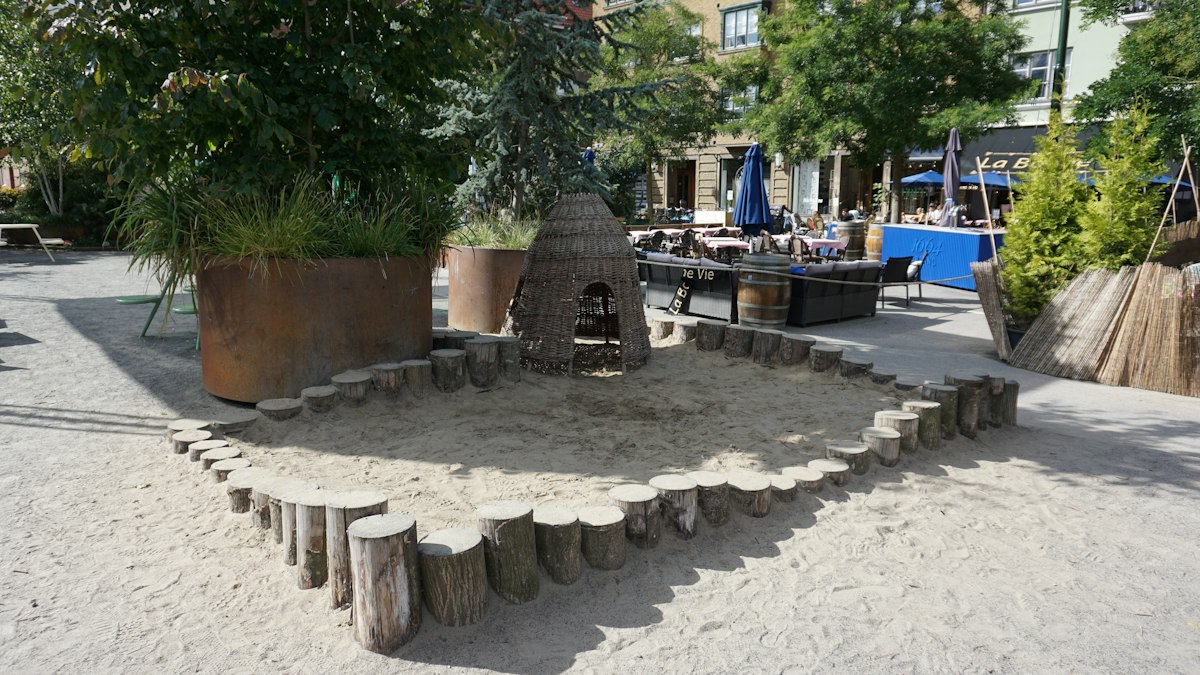
Fresh air and a change of scenery genuinely reset the nervous system — for kids and for adults. You don't need a trail or a destination. A walk around the block, time in the backyard, or even sitting on the front step watching the world go by counts. The bar is low, and it should be. Ten minutes outside consistently beats an hour outside occasionally.
How to Raise a Wild Child by Scott Sampson
This practical, research-backed book is packed with ways to connect kids to nature — even in cities, even on busy days. It's the kind of read that genuinely changes how you approach everyday moments outside, without making you feel like you need to plan a wilderness expedition.
View on Amazon →4. Offer open-ended materials, not activities
Rather than planning a craft project with a specific outcome, put materials out and step back. A pile of playdough. A tray of water with cups and measuring spoons. A bag of loose natural objects collected on a walk. Open-ended materials invite kids to direct their own play, which is where deep engagement happens. You don't have to facilitate — you just have to set the stage.
5. Use your hands together
Baking, gardening, building with blocks, mixing colors, folding paper — activities where both of you are doing something with your hands are incredibly regulating for kids. You don't need to teach or guide. Just do it alongside them, narrate what you're doing, and let them join at their own pace. Side-by-side is often more connective than face-to-face.
6. Build a "yes shelf" for independent play
A yes shelf is a low shelf or basket stocked with things your child can always access independently: a small figurine set, a few board books, a sensory bin, simple puzzles. Rotate items weekly so they feel fresh. When kids know exactly where to go for ideas, the iPad becomes a less automatic reach — there's already something interesting waiting for them.
7. Stack outdoor time into your existing routine
The easiest outdoor time is the kind you don't have to carve out separately. Walk to the coffee shop instead of driving. Do the after-school snack on the back porch. Let kids play in the yard while you cook dinner with the back door open. Stacking nature into what's already happening is infinitely more sustainable than scheduling dedicated "outdoor time" that competes with everything else.
Dopamine Kids by Erin Nitschke
If you want to understand why screens are so compelling for kids (and what the brain science actually says), this is the book. It offers a realistic, non-alarmist framework for reducing default screen time and replacing it with experiences that actually satisfy kids — not just distract them.
View on Amazon →Make It Easier or Harder
Make it easier: If transitions off screens are consistently hard, reduce the cognitive load for yourself first. Keep a sticky note on the fridge with three go-to options for your specific kid (e.g. "playdough, backyard, water table"). Decision fatigue is real — a tiny list means you never have to think under pressure. For younger toddlers, simply going outside is almost always enough; nature provides the stimulation without you having to engineer anything.
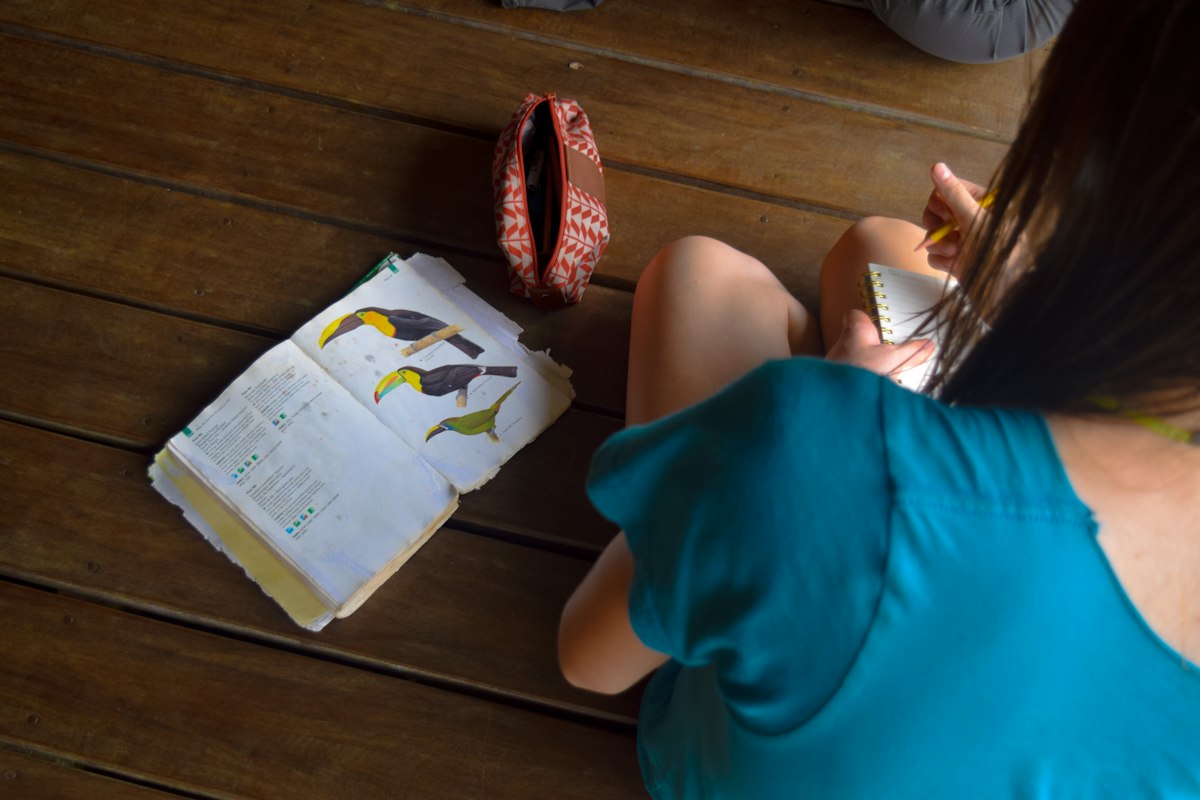
Make it harder (for older kids ready for more): Give kids a "nature challenge" — a simple scavenger hunt, a sketch-what-you-find journal, or a challenge to build something with only what they find outside. Introduce a loose framework like "can you find five things that are the same color?" and then genuinely step back. Older kids between 4 and 8 often rise to these prompts in ways that surprise you — the constraint makes the play richer, not more restricted.
Frequently Asked Questions
Add these picks to your The Barefoot Bub registry
Build your outdoor childhood kit with everything we recommend.
Start Your Registry