Best Baby Carriers for Hiking: 2026 Reviews
The Barefoot Bub may earn a commission from links on this page. We choose products independently.
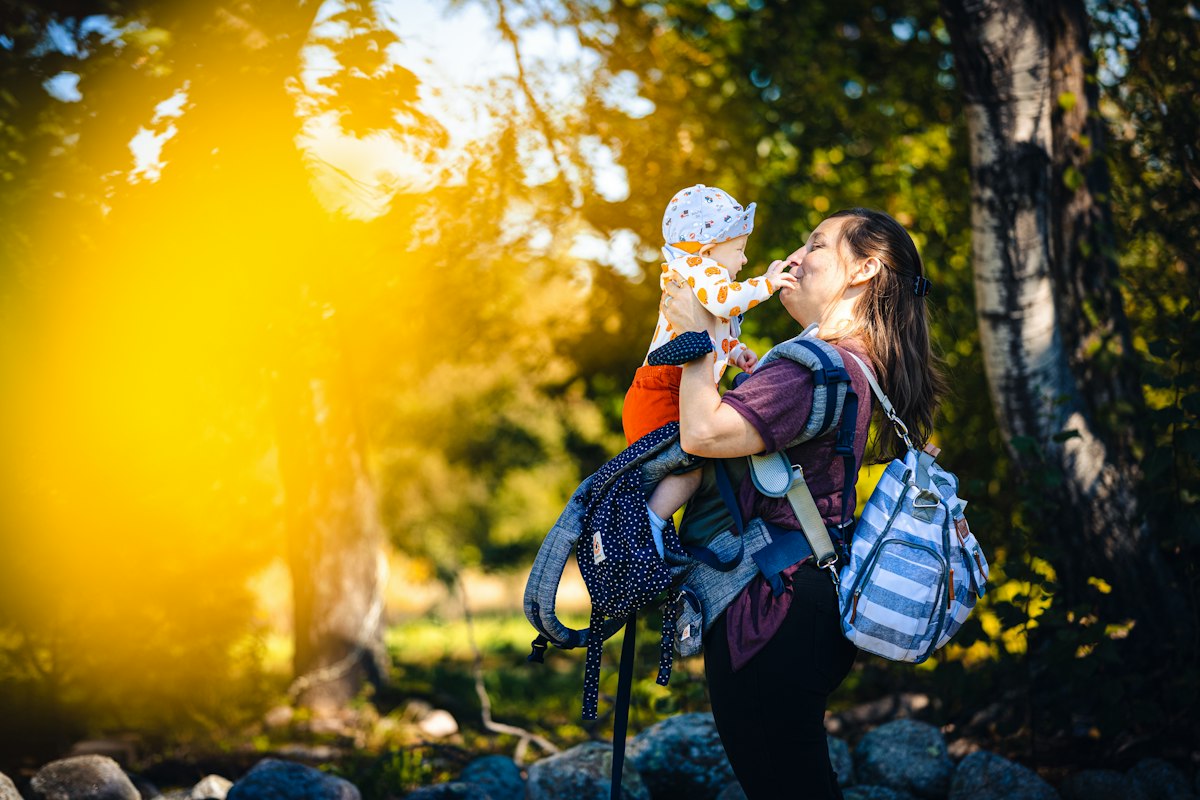
The best baby carrier for hiking in 2026 is the Osprey Poco™ Child Carrier — a structured frame pack that keeps toddlers comfortable for 3+ hour trail days while giving parents the back support they actually need. For babies under six months, the Ergobaby Omni Classic is our top soft-structured pick, offering newborn-ready positioning right out of the box.
If you've been standing in the trail parking lot wondering whether your carrier setup is actually up to the task, you're not alone. Hiking with a baby is one of the most joyful things you can do as an outdoor family — and also one of the most gear-dependent. The wrong carrier leaves you with a sweaty back, a fussy kid, and a very short hike. The right one disappears into your body and lets you cover real ground. We've pulled together the strongest options for every stage, from snuggly newborns to opinionated toddlers, with honest takes on where each one shines and where it falls short.
Quick Comparison: Best Hiking Baby Carriers at a Glance
Before we dig into the details, here's the short version. Hiking carriers split into two broad categories: soft-structured carriers (SSCs), which are essentially ergonomic wraps with buckles, and framed child carriers, which look more like a small backpack with a seat built in. SSCs work beautifully for babies under about 20 lbs and shorter trail distances. Framed carriers take over once your child is sitting independently and the miles start adding up. Both have their place — and the best choice depends almost entirely on your child's age, your trail ambitions, and how long you plan to be out.
| Carrier | Best For | Age Range | Price Range |
|---|---|---|---|
| Osprey Poco™ | All-day hikes, toddlers | 6mo–4yr | $$$ |
| Thule Sapling | Ergonomic toddler days | 6mo–3yr | $$$ |
| Ergobaby Omni Classic | Newborns & young babies | 0–18mo | $$ |
| Ergobaby Upsie Sling | Quick walks, hip carry | 6mo–2yr | $ |
Our Top Picks: Baby Carriers for Hiking Reviewed
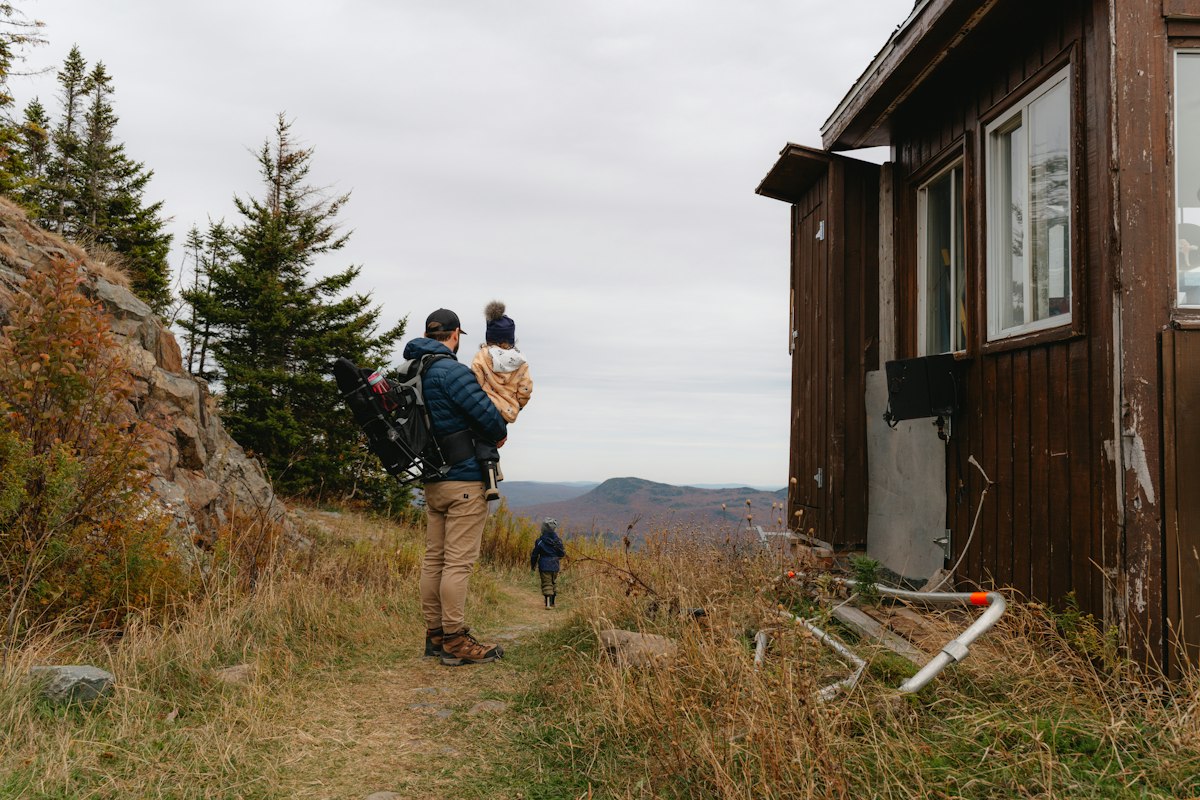
Below are our picks in detail, each with a "best for" label so you can match them to your situation quickly. We've been honest about the tradeoffs — because no carrier does everything perfectly, and knowing the limitations upfront saves you a lot of frustration on the trail.
🥇 Best Overall: Osprey Poco™ Child Carrier
This is the carrier that comes up every single time someone in an outdoor parenting group asks what to buy. The Osprey Poco is a fully framed hiking carrier with an adjustable torso fit, a ventilated back panel, and enough pockets to carry a real day's worth of supplies — snacks, layers, sun protection, the works. The child seat is deep and secure, and most kids settle into it happily, especially once they can sit and see the world properly. The kickstand means you can set it down on the trail without it tipping over, which sounds like a small thing until you're balancing a sleeping toddler and trying to reach your water bottle.
Honest drawback: It's a serious investment, and it's bulkier than a soft carrier — not something you grab for a 20-minute neighborhood walk. But for families who genuinely hike? This is the one.
Osprey Poco™ Child Carrier
The benchmark for framed hiking carriers. Ventilated back panel, adjustable torso fit, integrated kickstand, and genuine all-day comfort for child and parent alike. Works from the moment your baby can sit independently through the preschool years.
View on Amazon →If you're hiking in rainy PNW conditions or unpredictable mountain weather, pairing the Poco with its dedicated rain cover is a smart move — it wraps the child compartment completely and stows in its own pocket.
Poco™ Raincover
A purpose-built cover for the Osprey Poco that protects your little one from wind and rain without sacrificing airflow. Stows neatly so it's always there when the sky decides to change its mind.
View on Amazon →🏔️ Best Ergonomic Frame Carrier: Thule Sapling
Thule makes some of the most thoughtfully designed outdoor gear for families, and the Sapling is a strong example of that. It's a structured child carrier with a focus on ergonomics for both parent and child — the hip belt is genuinely padded and load-transferring (not decorative), and the child seat positions little ones in the natural "M" position that pediatric hip specialists prefer. The integrated sunshade is a practical bonus that you'll reach for constantly on exposed ridgelines.
Honest drawback: The storage capacity is smaller than the Osprey Poco, so you'll need to plan your pack contents more carefully for longer days.
Thule Sapling Child Carrier
A beautifully engineered frame carrier that prioritizes ergonomic positioning for both parent and child. The padded, load-transferring hip belt makes a real difference on longer climbs, and the built-in sunshade earns its keep on open trails.
View on Amazon →👶 Best for Newborns & Young Babies: Ergobaby Omni Classic
For babies under six months — or for families who want one carrier to take them from the newborn stage all the way through toddlerhood — the Ergobaby Omni Classic is the go-to soft-structured option. It works in newborn mode without an insert (a genuine convenience), supports front-inward, front-outward, hip, and back carry positions, and the ergonomic waistbelt takes load off your shoulders on longer walks. For gentle trail walks and nature paths with a young baby, this is exactly what you want.
Honest drawback: Soft carriers are less suited to aggressive terrain or long mileage with heavier toddlers — the frame carriers above take over that job as your child grows.
Ergobaby Omni Classic Baby Carrier
A newborn-ready soft carrier that grows with your child through multiple carry positions. Breathable, supportive, and versatile enough to handle everything from a neighborhood stroll to a gentle nature trail with a young baby on board.
View on Amazon →🌿 Best Lightweight Option: Ergobaby Upsie Sling Carrier
Not every outing calls for a full hiking pack. Sometimes you just want to wander a nature preserve, explore a farmers market with your baby on your hip, or do a short loop trail without strapping into a full system. The Ergobaby Upsie Sling is designed for exactly that — it's a ring sling that positions babies in a natural hip carry, it folds down to almost nothing, and it slips on and off in seconds. For quick outdoor adventures with babies who are sitting and curious about the world, it's wonderfully simple.
Honest drawback: It distributes weight on one shoulder only, so it's not designed for serious mileage. Think of it as your "leave-the-big-carrier-at-home" option.
Ergobaby Upsie Sling Carrier
A compact, elegant ring sling for hip-carry adventures with older babies and toddlers. Lightweight enough to stuff in a day bag, quick to adjust, and ideal for the kind of spontaneous outdoor moments that don't need a full gear setup.
View on Amazon →How to Choose the Right Hiking Baby Carrier
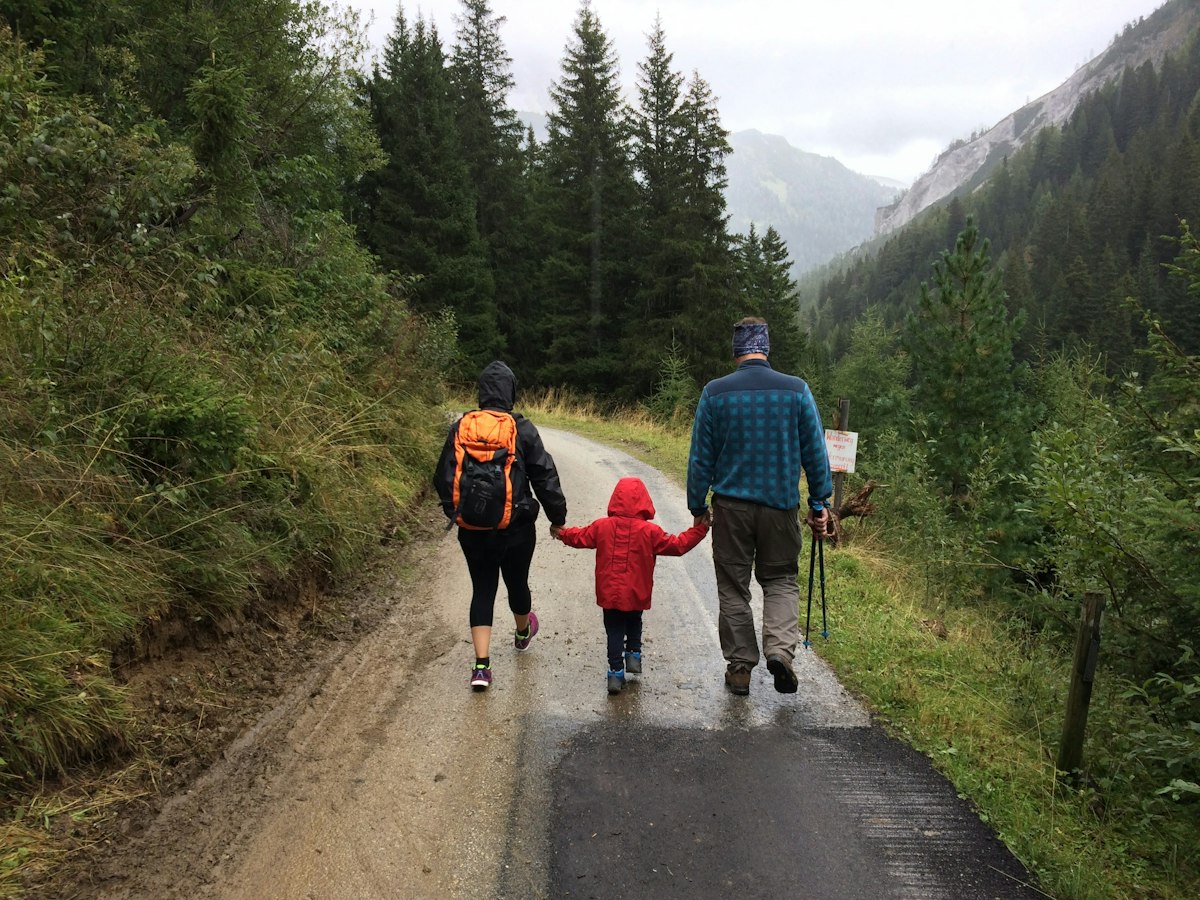
The carrier world can feel overwhelming. Here's how to cut through it.
Start with your child's age and size. Babies under six months (and certainly under three months) need head and neck support that most frame carriers don't provide. Stick with a well-fitted soft carrier until your baby has strong head control and is sitting independently — usually around 6 months. After that, framed carriers open up and the hiking range gets a lot more interesting.
Think about the trails you actually hike. Flat nature paths and paved greenways? A soft carrier handles these beautifully well into toddlerhood. Rocky switchbacks and elevation gain? You want a framed carrier with a proper hip belt and torso adjustment. The terrain you hike most should drive your decision more than any other factor.
Fit the carrier to the adult wearing it, not just the child. A carrier that fits one parent well may not fit the other. Look for carriers with wide torso adjustment ranges (the Osprey Poco and Thule Sapling both do this well), and take the time to actually dial in the fit before you hit the trail.
Consider storage and duration. For day hikes where you need sun protection, snacks, a first aid kit, rain layers, and water, storage matters. Framed carriers like the Osprey Poco have meaningful cargo capacity. For shorter outings, this is much less of a concern.
Think about sun and weather protection. Exposed ridgelines and open meadows mean UV exposure for the child who can't move away from it. A carrier with a built-in sunshade (Thule Sapling) or the ability to use a hat effectively is worth prioritizing for summer hiking families. And if you hike year-round, a carrier-specific rain cover is a genuinely useful accessory — not an afterthought.
Check your weight limits. Most soft carriers max out around 45 lbs. Most frame carriers go higher — but the real limit is how your own back feels. Start judging the carrier by how you feel after an hour on trail, not just in the store.
Frequently Asked Questions
Add these picks to your The Barefoot Bub registry
Build your outdoor childhood kit with everything we recommend.
Start Your Registry