Spring Nature Activities for Kids: A Hands-On Guide
The Barefoot Bub may earn a commission from links on this page. We choose products independently.
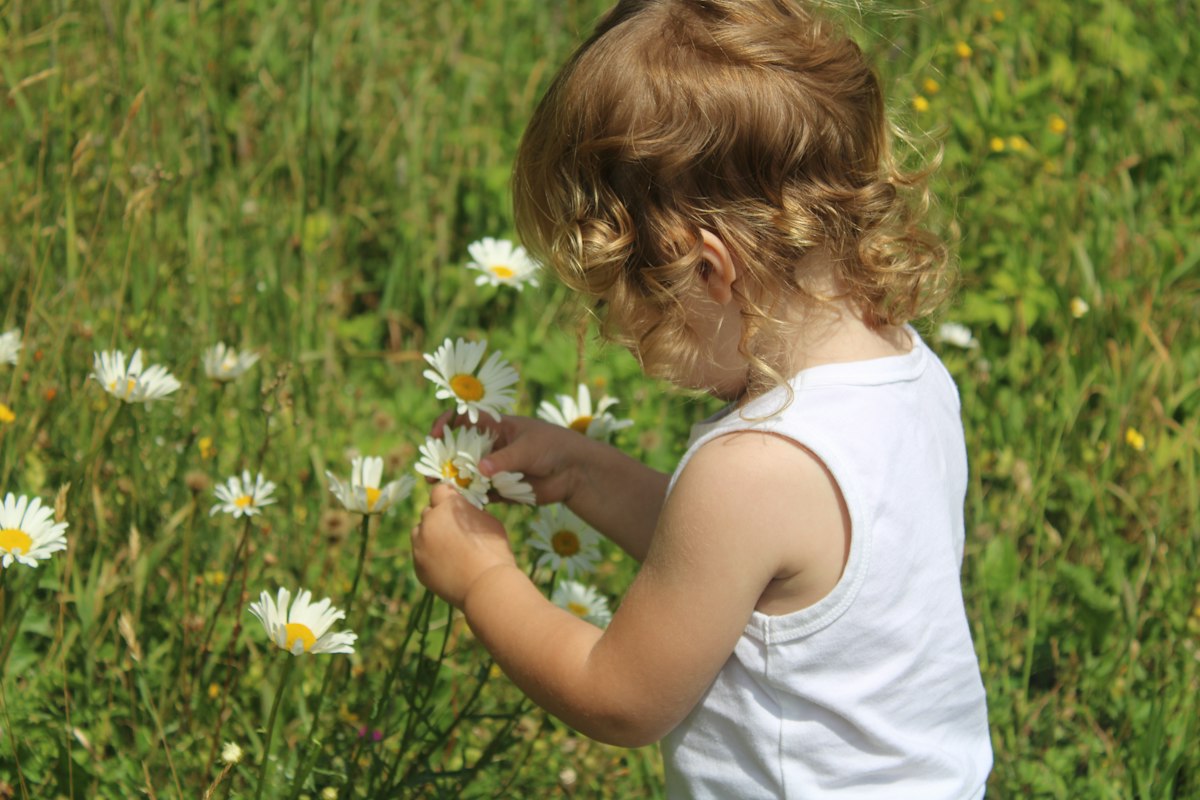
Spring is the perfect season to get kids outside exploring — from backyard bug hunts to puddle stomping and flower pressing. These hands-on spring nature activities for kids need minimal supplies, work for a wide range of ages, and turn an ordinary afternoon into a genuine outdoor adventure. The key is keeping it simple, following your child's lead, and letting curiosity do the heavy lifting.
Something shifts in spring. The mud returns, the birds get loud again, and kids who've been cooped up all winter suddenly want to touch everything. That restless energy? It's a gift. Spring is genuinely the most accessible season to build outdoor habits with kids because nature is doing all the work — new buds, insects waking up, puddles appearing overnight, birds singing from every tree. You don't need a curriculum or a plan that takes longer to prep than the activity itself. What follows is a simple guide to our favourite spring nature activities for kids, plus a few notes on how to scale each one up or down depending on your child's age and attention span.
What You'll Need
Most of these activities call for things you already have. A few extras make the morning run smoother:
- A small backpack or tote (one per child if possible)
- A magnifying glass — the cheap plastic ones work great
- A nature journal or a few blank pages clipped together
- Crayons or coloured pencils
- A few small containers or zip-lock bags for collecting
- Snacks and water — always
- Layers and rain gear (spring weather changes fast)
- Bug spray if you're heading into wooded areas
Babyganics Insect Spray
A DEET-free formula made with plant-based essential oils — gentle enough for little ones, effective enough for a spring morning in the woods. It packs small and is easy to reapply without making a production of it.
View on Amazon →Spring Nature Activities: Step by Step
1. Go on a Backyard Bug Hunt
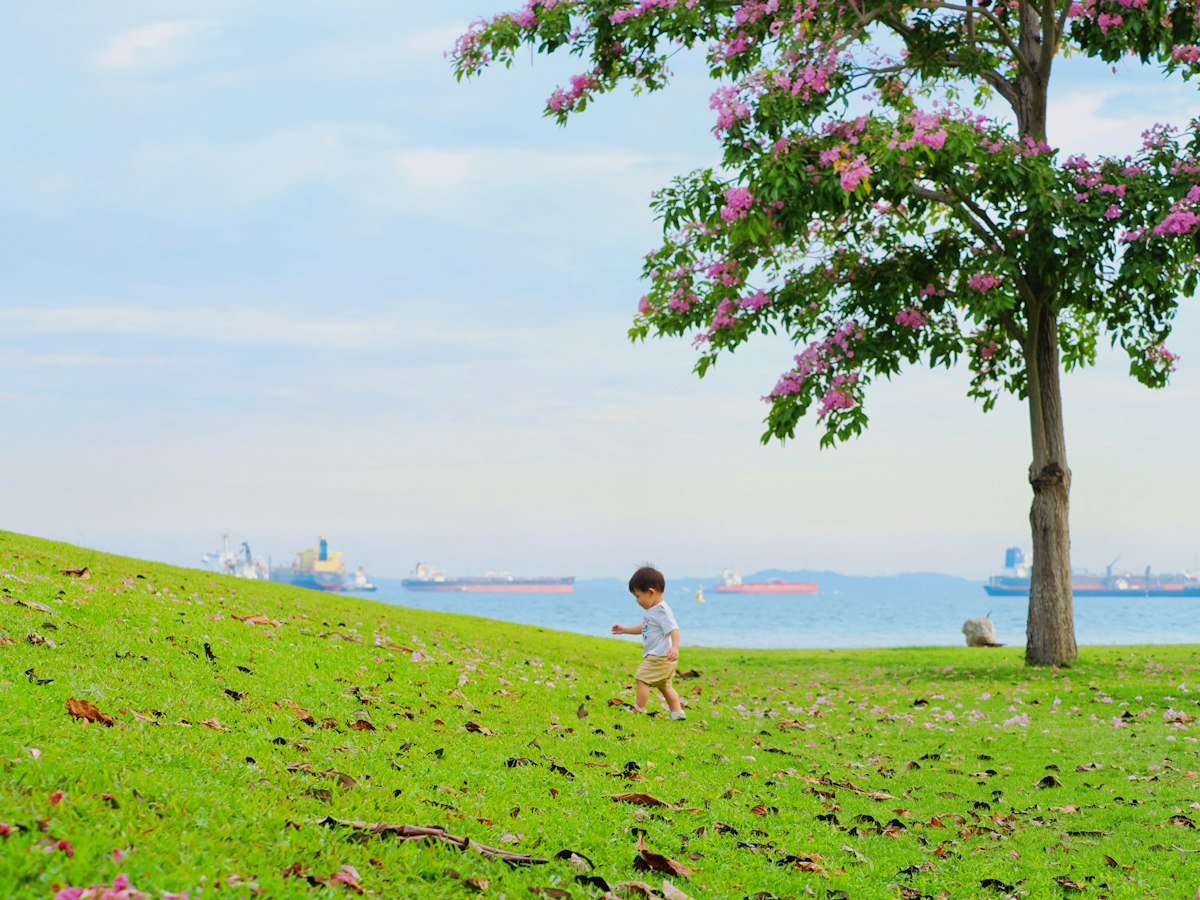
Flip rocks, peel back bark, dig gently at the base of a plant. Spring is when the insect world comes back to life, and kids find this almost unbearably exciting. Give each child a small container to temporarily house their finds, observe together, then always release everything back where you found it. This one builds real scientific thinking — observation, patience, and the understanding that living things deserve respect.
2. Press and Keep Spring Flowers
Pick a small handful of flowers or interesting leaves on your walk and press them between two heavy books overnight. By the next day, you've got something genuinely beautiful. Older kids can label them with the plant's name (look it up together — that's part of the fun); younger ones can simply arrange them into a piece of art. Glued onto paper and sealed with a strip of tape, pressed flowers make lovely homemade cards.
3. Make a Mud Kitchen
All you need is a patch of dirt, some water, and old containers from your recycling bin. Let kids mix, pour, scoop, and "cook" with mud for as long as they want. Mud play builds fine motor skills, encourages open-ended creative thinking, and is deeply satisfying in a way that's hard to explain until you watch a three-year-old spend 45 minutes stirring a mud soup with complete focus. Dress them in clothes you don't mind washing and step back.
4. Do a Puddle Walk
This is exactly what it sounds like. Pick a loop around your neighbourhood or a local trail and jump in every single puddle. Rain boots are ideal, but waterproof pants go a long way too — especially if you have a kid who commits fully. Make it a game: rate the puddles out of ten, see who can make the biggest splash, look at what's floating on the surface. A puddle walk sounds simple because it is, and kids ask to do it again and again.
5. Build a Nature Collage
Before you head out, pack a piece of card stock or a paper plate with a thin layer of double-sided tape or contact paper sticky-side out. On your walk, let your child stick whatever they find directly onto it — petals, seeds, bits of bark, blades of grass. By the time you get home, they've made a piece of art and they didn't even know they were doing it. This works beautifully for toddlers who aren't quite ready for structured collecting but love touching everything.
6. Try a Simple Bird Walk
Spring is one of the best times to listen for birds — breeding season means males are singing constantly, making them much easier to hear and spot than in summer. Download a free bird identification app (Merlin by Cornell Lab is excellent and genuinely fun for kids), head outside, and just listen first. When you hear something, try to find it. You don't need binoculars to start, though if you have a pair, kids love using them. Keep a tally of how many different birds you hear — not just see.
7. Plant Something Small
A seed tray on a windowsill or a small pot of soil on the porch teaches kids one of the most meaningful lessons nature offers: that living things grow slowly, with care. Pick something fast-sprouting like sunflowers, radishes, or beans so kids see results within a week or two. Let them water it themselves each morning. If you have outdoor space, transplant the seedlings in a few weeks and watch the whole cycle play out through spring and into summer.
Gear That Actually Helps
Bergen 2.0 PU Rain Set - Toddlers'/Kids'
Spring weather is unpredictable, and the right rain gear is the difference between "let's go!" and "we can't — it's drizzling." This set is waterproof, durable, and easy to pull on over whatever your kid is already wearing, which means you'll actually use it.
View on Amazon →Make It Easier or Harder
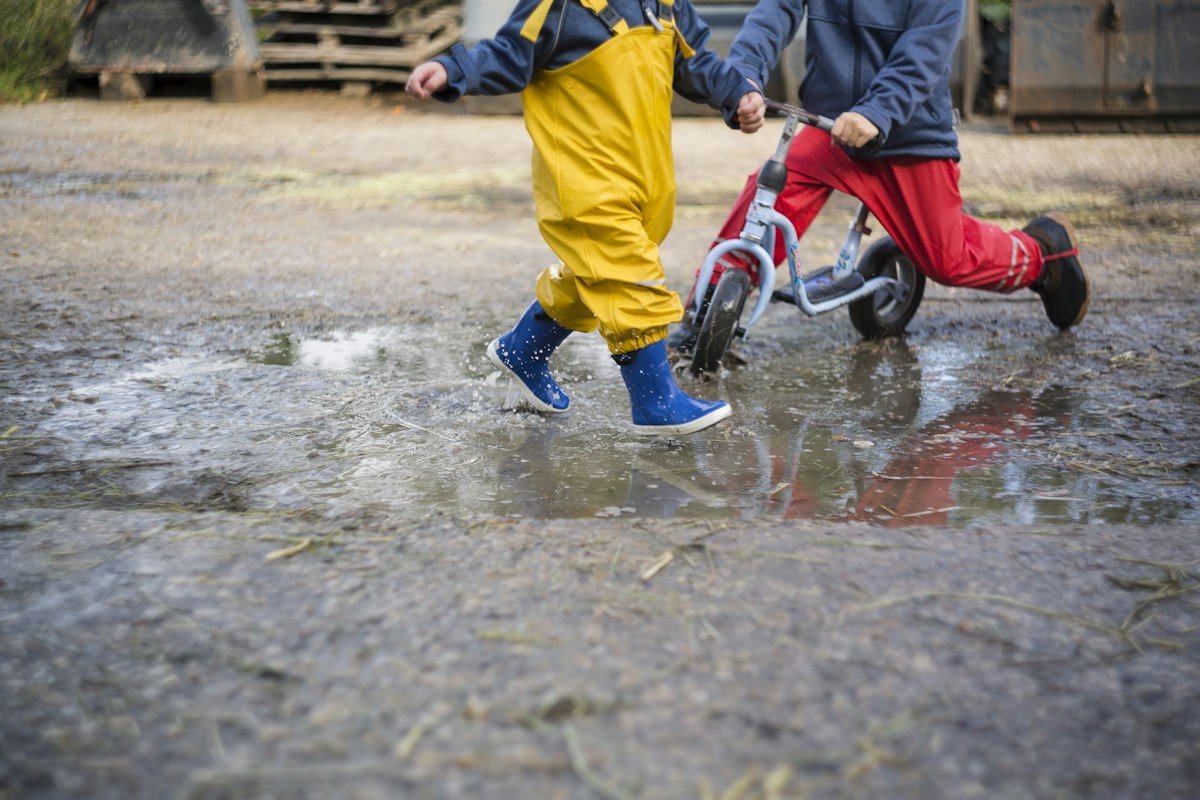
For younger toddlers (1–3): Simplify the goal down to sensory experience. The bug hunt becomes "touch the dirt." The bird walk becomes "how many sounds can we hear?" The collage becomes a pile of petals they hand you one by one. At this age, 20 minutes outside counts as a full and successful activity. Follow their attention span, not your plan.
For older kids (5+): Add a layer of documentation. Bring a journal and ask them to draw what they found, write the date, note the weather. Turn the bird walk into a seasonal checklist — which birds are here in spring that weren't here in winter? Let them lead the bug hunt and narrate what they're discovering. Older kids often thrive when they're given a small responsibility, like being the official photographer with your phone or keeping track of the species list.
On rainy days: Don't skip it. Spring rain is part of the point. Dress appropriately and go anyway — the puddle walk is obviously best after rain, and a bug hunt right after a shower can turn up earthworms by the dozen. The kids who grow up comfortable in all weather are the ones who end up genuinely loving the outdoors year-round.
Frequently Asked Questions
Add these picks to your The Barefoot Bub registry
Build your outdoor childhood kit with everything we recommend.
Start Your Registry