Unstructured Outdoor Play Benefits: A Parent's Guide
The Barefoot Bub may earn a commission from links on this page. We choose products independently.
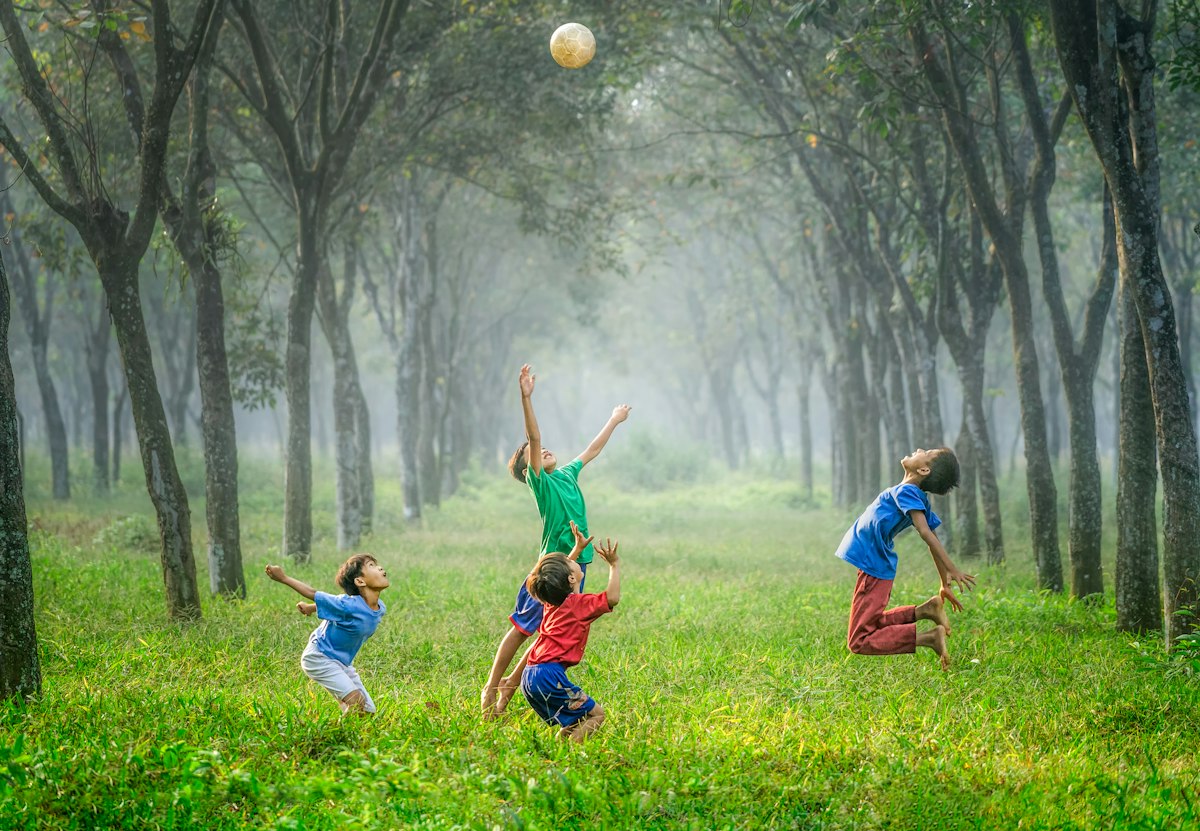
Unstructured outdoor play — time outside with no agenda, no instructions, and no score — builds creativity, resilience, focus, and physical coordination in children. Research consistently links it to better emotional regulation, stronger immune function, and deeper nature connection. The good news: you don't need a plan. You just need to get outside and step back.
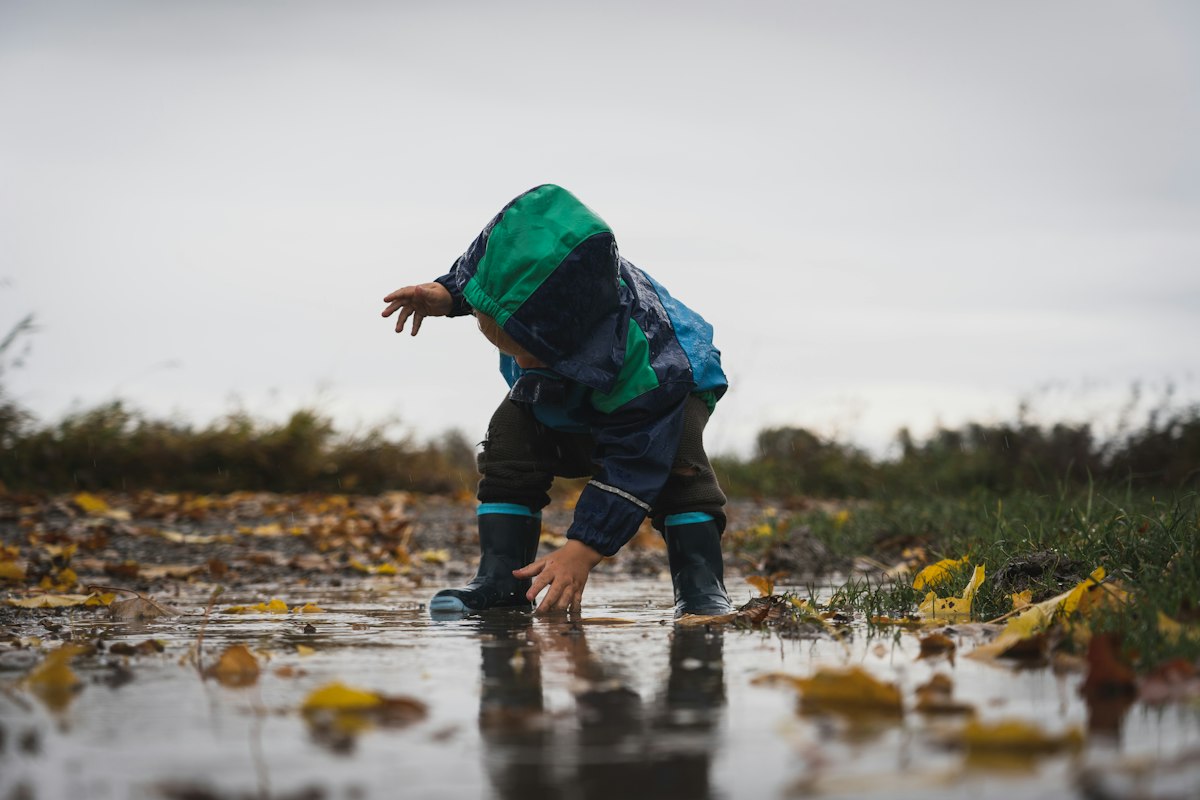
There's a certain magic that happens when you hand a toddler a stick and a mud puddle and walk two steps away. Within minutes they're constructing something, narrating a story, testing a hypothesis, or just completely lost in the moment. That's unstructured outdoor play — and it's one of the most powerful things you can offer your child on any given day. No curriculum, no Pinterest project, no timer. Just outside, with room to roam. Here's how to actually make it happen, what to bring (hint: very little), and how to adapt it as your child grows.
Why Unstructured Outdoor Play Benefits Kids So Deeply
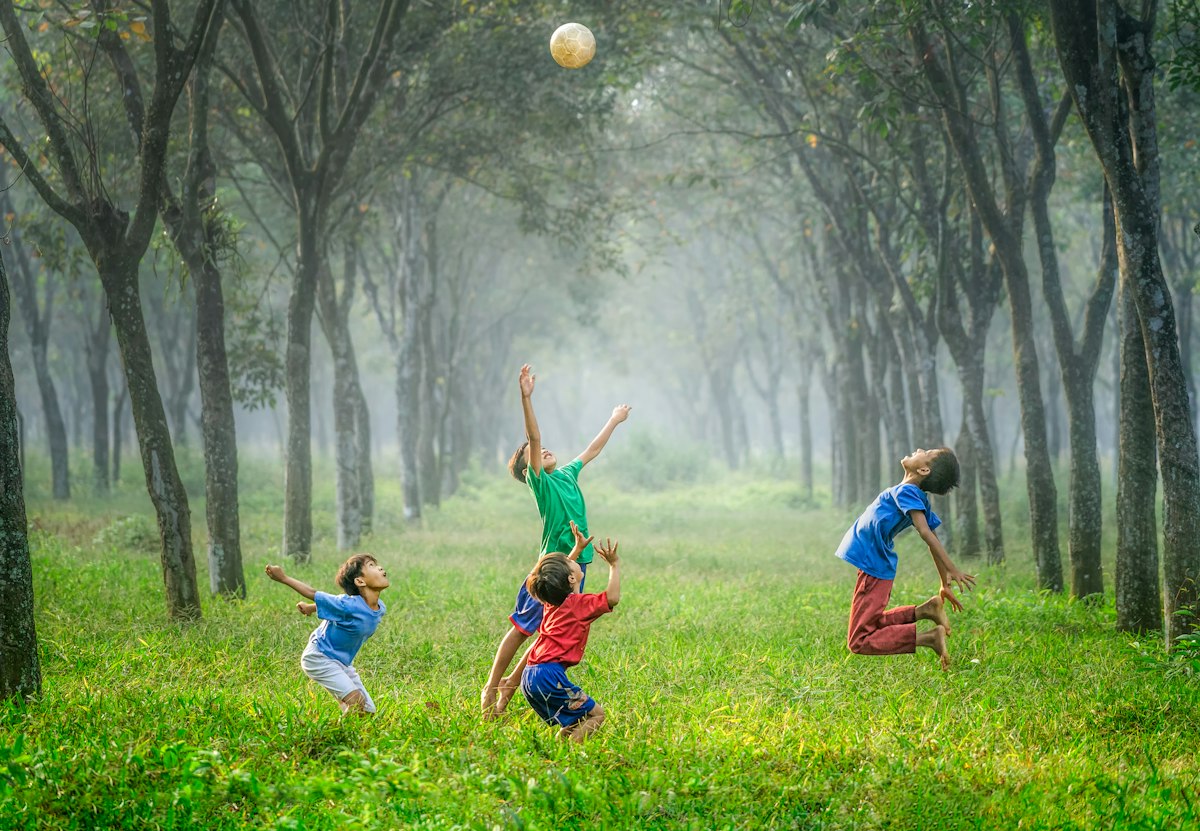
Decades of child development research points in the same direction: children who spend time in self-directed outdoor play develop stronger executive function, better attention spans, and more sophisticated social skills than those whose days are heavily scheduled. A landmark study published in the journal Frontiers in Psychology found that children who played freely in natural settings showed significantly lower cortisol (stress hormone) levels compared to those in structured indoor activities.
Nature adds a layer that indoor play simply can't replicate. Uneven terrain builds core strength and balance. Sticks, rocks, and dirt become open-ended toys that change every time, pushing the brain to adapt and imagine. Bug-watching builds patience. Puddle-jumping builds joy. And the lack of adult direction? That builds self-confidence in a way that praise alone never quite can. Children learn to tolerate boredom, invent solutions, negotiate with peers, and regulate big feelings — all without a grown-up scripting the outcome. As Richard Louv, author of Last Child in the Woods, has argued extensively, children need that unmediated contact with the natural world to thrive. These aren't soft benefits. They're foundational ones.
What You Actually Need (It's Less Than You Think)
One of the biggest barriers to getting outside more is the mental load of preparing to go. So let's simplify. For genuine unstructured play, your list is short:
- Appropriate layers — dress for the weather so discomfort doesn't cut the session short
- A water-resistant layer for wet days — mud and puddles are features, not bugs
- A water bottle — hydrated kids play longer
- A snack — optional but always appreciated
- A place to sit — so you can step back and let them lead
- A loose attitude — the most essential item on the list
That's genuinely it. You don't need activity kits or organized games. The yard, a local park, a trail, or even a patch of sidewalk with a rain puddle will do. What matters most is that the time is unscheduled and the direction comes from your child.
Pocket Blanket
A compact, waterproof pocket blanket is the one item worth tucking in your bag. It gives you a dry place to sit while your child explores, which makes it infinitely easier to stay longer and resist the urge to micromanage. It packs down to almost nothing and works equally well on wet grass, sandy ground, or a rocky trail edge.
View on Amazon →How to Set Up a Great Unstructured Outdoor Play Session
1. Pick a space with natural variety.
Grass, dirt, sticks, water, rocks, hills — the more varied the environment, the richer the play. You don't need a wilderness preserve. A neighborhood park with a mulch bed and a slope works beautifully. Avoid overly manicured spaces where there's nothing to pick up, dig in, or climb on.
2. Set a loose time boundary, then disappear into the background.
Tell your child you're going to be outside for a while, then genuinely step back. Sit on your blanket, look at the trees, resist your phone. The moment a grown-up starts directing play, the magic shifts. Your child needs to feel the full weight of "what do I do now?" — that productive boredom is exactly where creativity ignites.
3. Resist the urge to narrate, praise, or redirect.
It's tempting to comment on everything ("Wow, great digging!") or suggest what comes next. Try to hold back. Constant commentary keeps children anchored to your approval rather than their own experience. Watch instead. Notice what genuinely captures their attention. That's useful information — and it's genuinely joyful to witness.
4. Let them get dirty, wet, and physically uncomfortable (within reason).
Cold mud, wet socks, a scraped knee from a small fall — these are part of outdoor play, not accidents to prevent. Children calibrate their own risk remarkably well when adults aren't constantly pulling them back. Good rain gear and an extra pair of socks make it easy to say yes instead of no.
Bergen 2.0 PU Rain Set - Toddlers'/Kids'
A proper rain set transforms a wet afternoon from a session-ender into the highlight of the week. This well-constructed jacket and pants combo keeps toddlers and young kids genuinely dry through puddle-jumping and mud-patch investigations, which means you can say yes to outside even on the grey days that tempt you to stay in.
View on Amazon →5. End on a natural pause, not a meltdown.
Give a five-minute heads-up before you wrap up. Watch for a natural break in play — a moment between activities, a pause to look around — and use it. Ending before exhaustion or hunger peaks means your child will associate outdoor time with good feelings, making the next session easier to launch.
Make It Easier or Harder: Adapting for Every Age
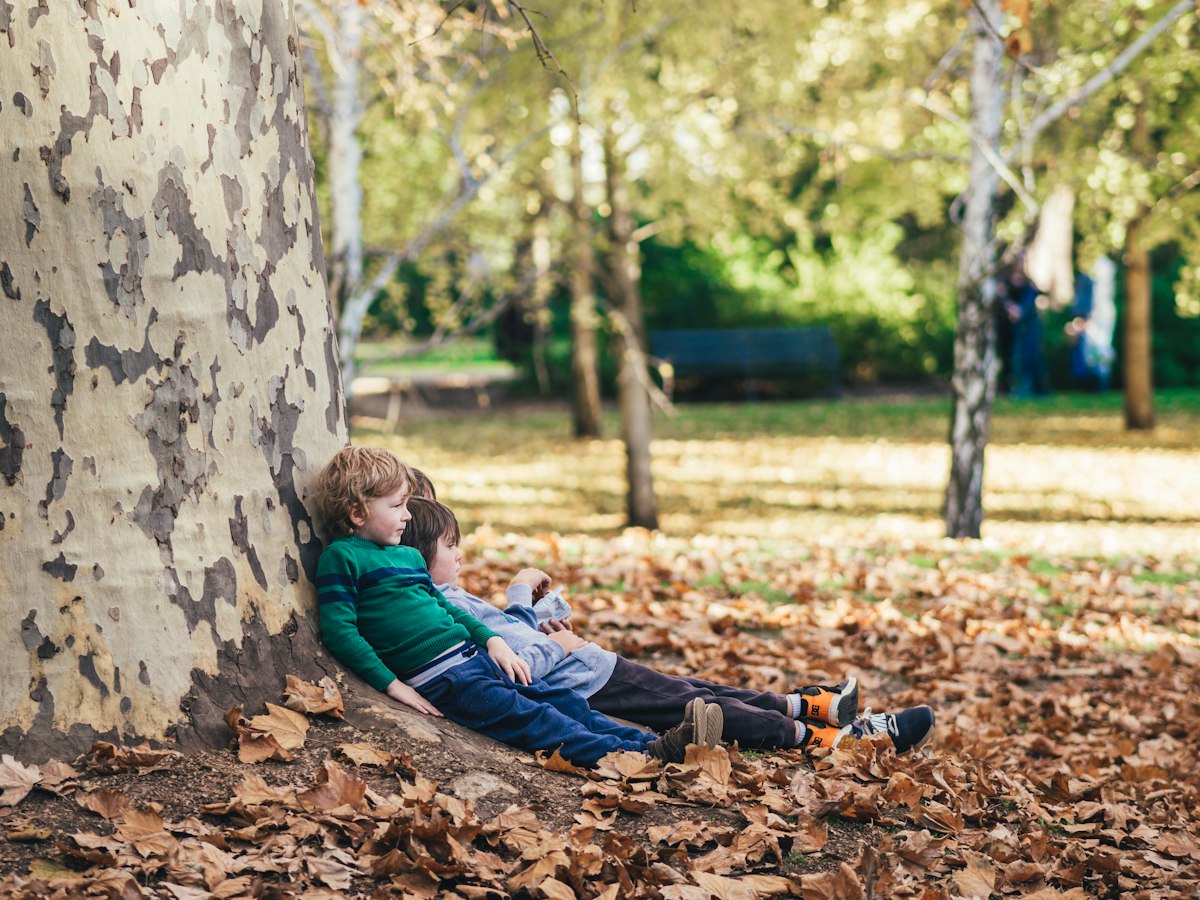
For babies and young toddlers (0–2yr): Unstructured outdoor time looks like tummy time on a blanket under a tree, feeling grass with their hands, watching leaves move. You don't need to do anything except be present and let the environment do the stimulating. Even 20 minutes counts.
For toddlers and preschoolers (2–4yr): This is the sweet spot. Add loose parts — a stick, a bucket, a few rocks — and then step all the way back. Introduce access to water (a mud kitchen, a puddle, a shallow stream) if you can. Sessions of 45–60 minutes are realistic and genuinely transformative at this age.
For older kids (4–8yr): Give more space. Let them roam slightly further, build forts, dig deeper holes, invent multi-day projects in the yard. If they have a friend along, resist the urge to structure their interaction. Social negotiation is part of the developmental work happening in unstructured play.
On difficult days: Short counts. Ten minutes in the backyard still delivers fresh air, sensory input, and a reset. You don't need a trail or a plan. Outside is enough.
Frequently Asked Questions
Add these picks to your The Barefoot Bub registry
Build your outdoor childhood kit with everything we recommend.
Start Your Registry