Nature Activities for Child Development: What Works
The Barefoot Bub may earn a commission from links on this page. We choose products independently.
Nature activities support child development across every major domain — cognitive, physical, social, and emotional. Research consistently shows that regular unstructured time outdoors helps children build attention, resilience, creativity, and physical coordination. Even short daily doses of outdoor play make a measurable difference.
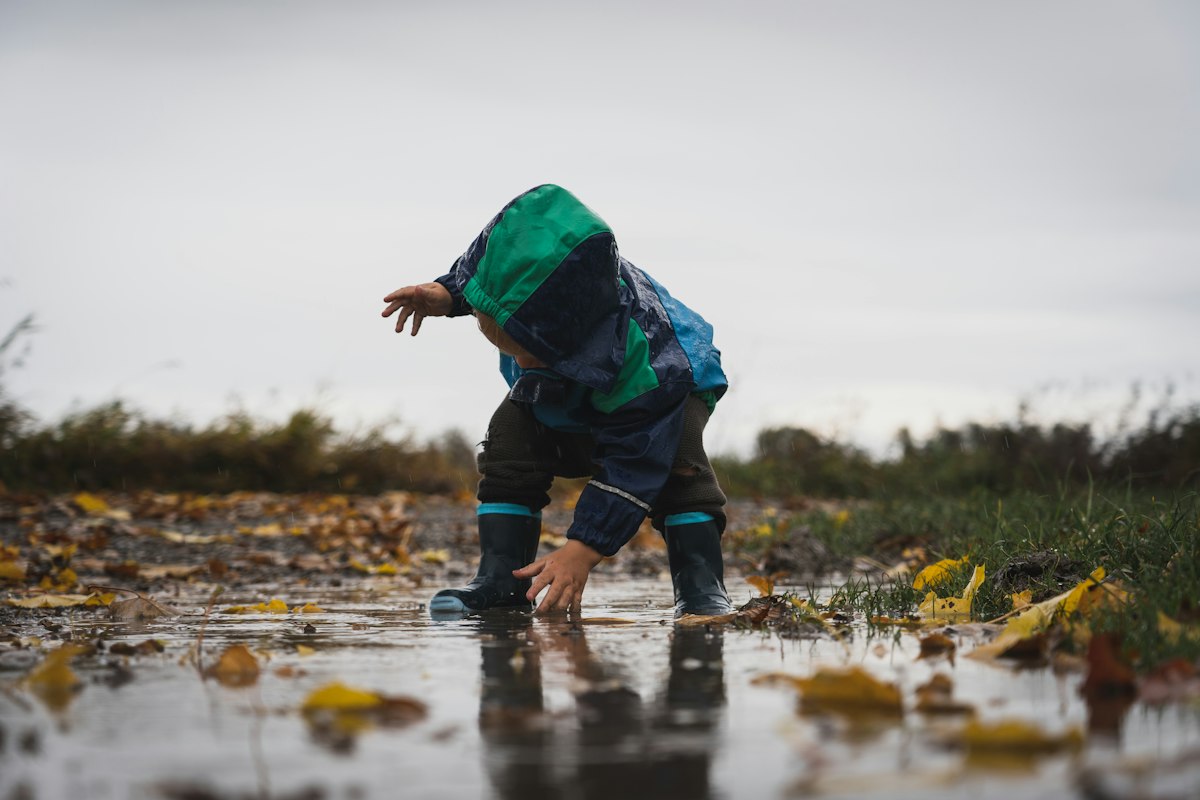
If you've ever watched a toddler crouch over an ant trail for ten uninterrupted minutes, or seen a shy preschooler suddenly open up during a muddy puddle session, you already have a felt sense of what the research confirms. Nature doesn't just entertain kids — it actively builds them. The good news is that you don't need a national park in your backyard or elaborate supplies to make it happen. A patch of dirt, a rain puddle, and a curious kid are genuinely all it takes to get started. Here's what the evidence says, and how to put it into practice on an ordinary Tuesday.
Why nature matters for child development
The case for getting kids outside isn't just anecdotal. A 2019 review published in Frontiers in Psychology found that contact with natural environments was associated with improved attention, reduced stress, and better overall wellbeing in children. The American Academy of Pediatrics has long emphasized the role of unstructured play — much of which happens outdoors — in building executive function and social-emotional competence.
What's happening developmentally during outdoor time? A lot, actually. The natural environment provides what researchers call "soft fascination" — the gentle, restorative attention that a rippling creek or blowing leaves demands, as opposed to the sharp, draining attention of a screen. This restorative quality is part of what makes outdoor time so valuable after a long day of structured learning. Children's stress hormones drop, their attention rebounds, and their mood stabilizes. Nature, in other words, isn't a break from development. It is development.
Author Scott Sampson, in How to Raise a Wild Child, argues that children need repeated, meaningful encounters with nature starting young — not grand expeditions, but regular small doses of outdoor connection. That reframing is important for busy parents: the bar is lower than you think.
How to Raise a Wild Child
Scott Sampson's book is a practical, warm guide to fostering nature connection at every age — full of low-effort ideas that fit into real family life. It's one of the most useful things a nature-minded parent can read.
View on Amazon →Nature activities that build cognitive skills
Cognitive development covers a wide territory — attention, memory, language, problem-solving, and early science thinking. Nature activities hit all of them, often at once.
Sensory exploration. For babies and toddlers, the outdoors is essentially a free sensory gym. Grass underfoot, wind on a cheek, the crinkle of a dry leaf — each of these sensory inputs builds neural pathways that support later learning. Letting a crawler explore a blanket spread on the lawn is a genuinely rich cognitive activity, not just fresh air.
Open-ended digging and building. Sandpits, garden beds, and muddy corners invite children to hypothesize and test. "What happens if I pour water here?" is early scientific thinking. Kids who dig, pour, and construct outdoors practice the same causal reasoning that shows up later in math and science. Giving a preschooler a good shovel and stepping back is one of the highest-return activities you can offer.
Scoppi Ergonomic Kids Beach Shovel
Ergonomically shaped for small hands, this shovel is sturdy enough for real digging — in sand, garden beds, or mud. It's the kind of simple tool that turns any outdoor space into a construction site for a curious kid.
View on Amazon →Nature observation and language. Naming what they see — "that's a roly-poly," "those clouds look heavy" — expands vocabulary in context, which research shows is more effective than flashcard-style learning. Narrate your own observations alongside your child rather than quizzing them. The conversation is the learning.
Pattern recognition. Leaves, shells, pinecones, and seed pods are endlessly varied and endlessly sortable. Collecting and categorizing natural objects is an intuitive early math activity that most kids will do spontaneously if given the materials and the space.
How outdoor play builds physical development
Gross and fine motor skills develop faster when children have room to move on varied, unpredictable terrain. A flat playground gives kids space to run; a trail with roots and rocks gives them a reason to negotiate, balance, and adapt — which is a meaningfully different physical challenge.
Balance and proprioception. Walking on uneven ground, stepping over logs, and scrambling up gentle slopes all train the proprioceptive system — the body's internal sense of position in space. This matters for everything from handwriting posture to sports coordination. Kids don't need a climbing wall; a local trail or a hilly park does the job.
Fine motor development through nature play. Picking up pebbles, threading grass stems, peeling bark, pressing flowers — these small-scale outdoor activities build the same fine motor skills as formal craft activities, but with far more intrinsic motivation driving them. Children tend to persist longer at fine motor tasks outdoors because curiosity keeps them going.
Risk and resilience. Healthy outdoor play involves manageable physical risk — a small climb, a jump into a pile of leaves, wading in a shallow stream. Research from Norway's risky play studies suggests that children who experience and navigate small physical challenges build better risk-assessment skills and greater emotional resilience over time. The goal isn't recklessness; it's calibrated challenge.
Social and emotional growth through nature activities
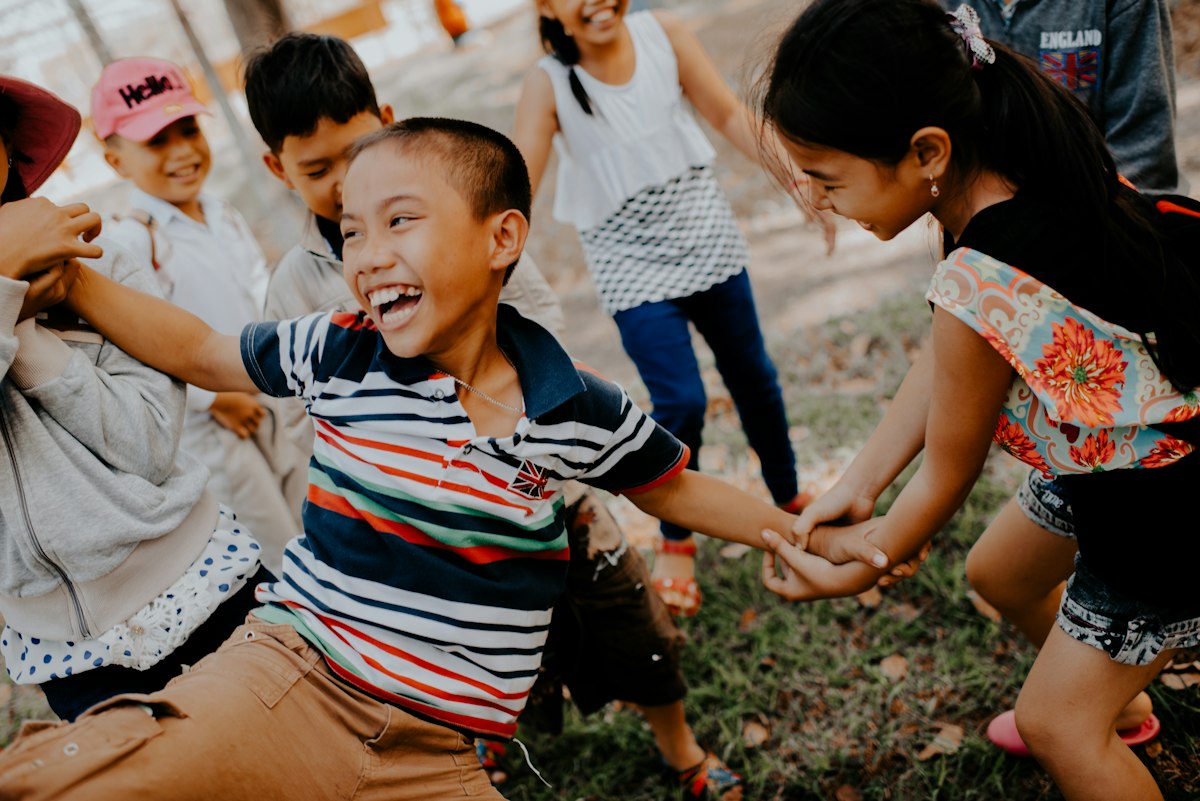
Some of the most underappreciated benefits of outdoor time are social and emotional. Nature creates conditions for a particular kind of play that is harder to replicate inside.
Cooperative play. Building a dam in a creek, constructing a fort from sticks, or organizing a "treasure hunt" requires negotiation, turn-taking, and shared imagination. These are the same competencies measured in social-emotional readiness assessments before kindergarten — and outdoor play builds them organically.
Emotional regulation. The calming effect of green space on children's stress response is well documented. Kids who spend regular time in nature tend to show lower cortisol levels and better emotional regulation in stressful situations. If your child comes home from preschool wound tight, a 20-minute garden wander is often more effective than any structured calming technique.
Empathy and care. Tending a small garden, feeding birds, or watching an insect community up close builds a sense of connection and responsibility toward living things. These small acts of stewardship lay groundwork for environmental values that last into adulthood — but in the moment, they're just quietly wonderful experiences for a child.
Simple nature activities by age
You don't need a curriculum. The best nature activities are low-structure and tuned to where your child is developmentally. Here's a loose guide to get you started.
Babies (0–12 months): Blanket time on the grass, shade play under a tree, gentle walks where they can hear birds and wind. The input at this stage is mostly sensory — texture, sound, light, and temperature. Even five minutes on a lawn counts.
Toddlers (1–3 years): Puddle jumping, digging in dirt, collecting rocks and leaves, water play with cups and containers, simple scavenger hunts ("can you find something yellow?"). This age thrives on repetition and autonomy — let them lead.
Preschoolers (3–5 years): Nature journaling with simple drawings, planting seeds and watching them grow, building with sticks and mud, bug observation, shallow stream play. Introduce a magnifying glass and watch focus time triple.
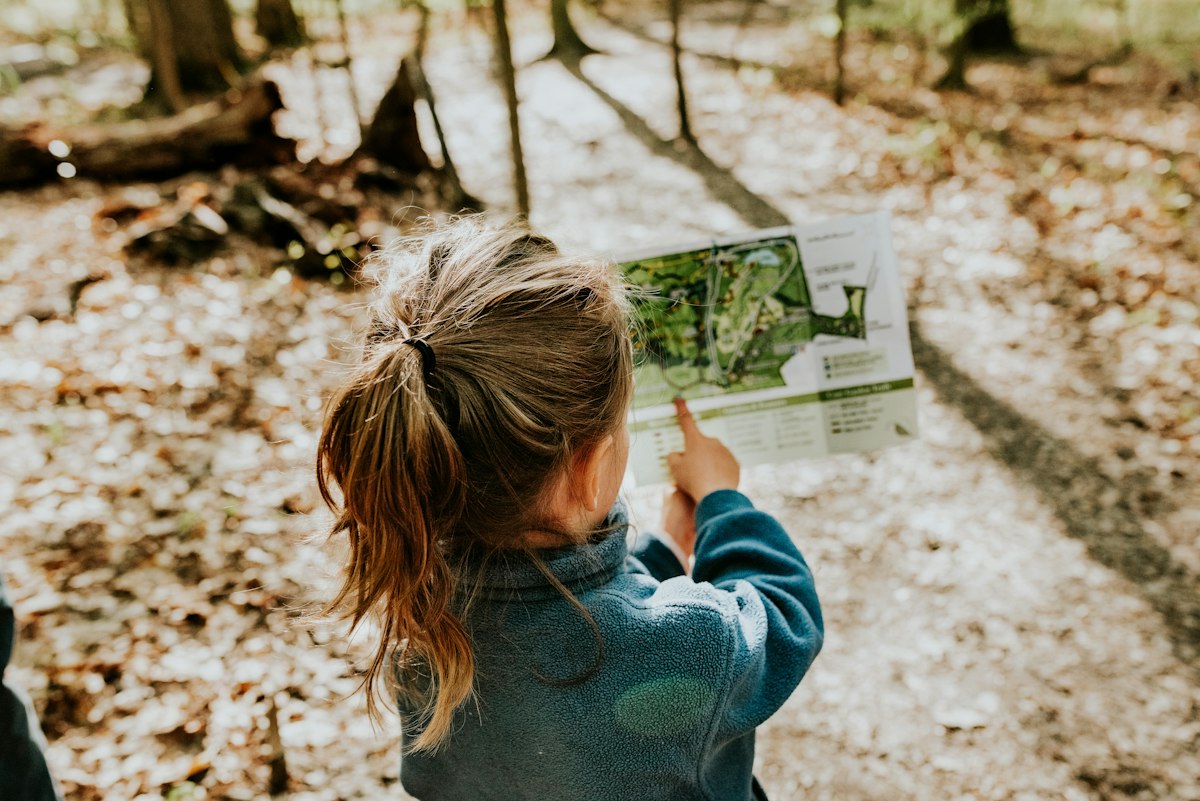
Early school age (5–8 years): Trail hiking with real navigation input, nature photography, pressing and identifying plants, building shelters, stargazing with a simple chart. This age can sustain longer projects — a backyard bird log kept over weeks becomes genuinely exciting.
Your Wild Books – Nature Craft Series
This five-book series bridges indoor and outdoor time beautifully, giving kids structured nature activities to try outside and then document or craft with afterward. A great companion for the preschool and early school-age years.
View on Amazon →The throughline across every age is time and permission. Children develop nature connection through accumulated small experiences, not single grand ones. Twenty minutes in the backyard three times a week does more than one big nature day per month. Consistency is the whole game.
Frequently Asked Questions
Add these picks to your The Barefoot Bub registry
Build your outdoor childhood kit with everything we recommend.
Start Your Registry