How Nature Exposure Boosts Children's Focus and Attention
The Barefoot Bub may earn a commission from links on this page. We choose products independently.
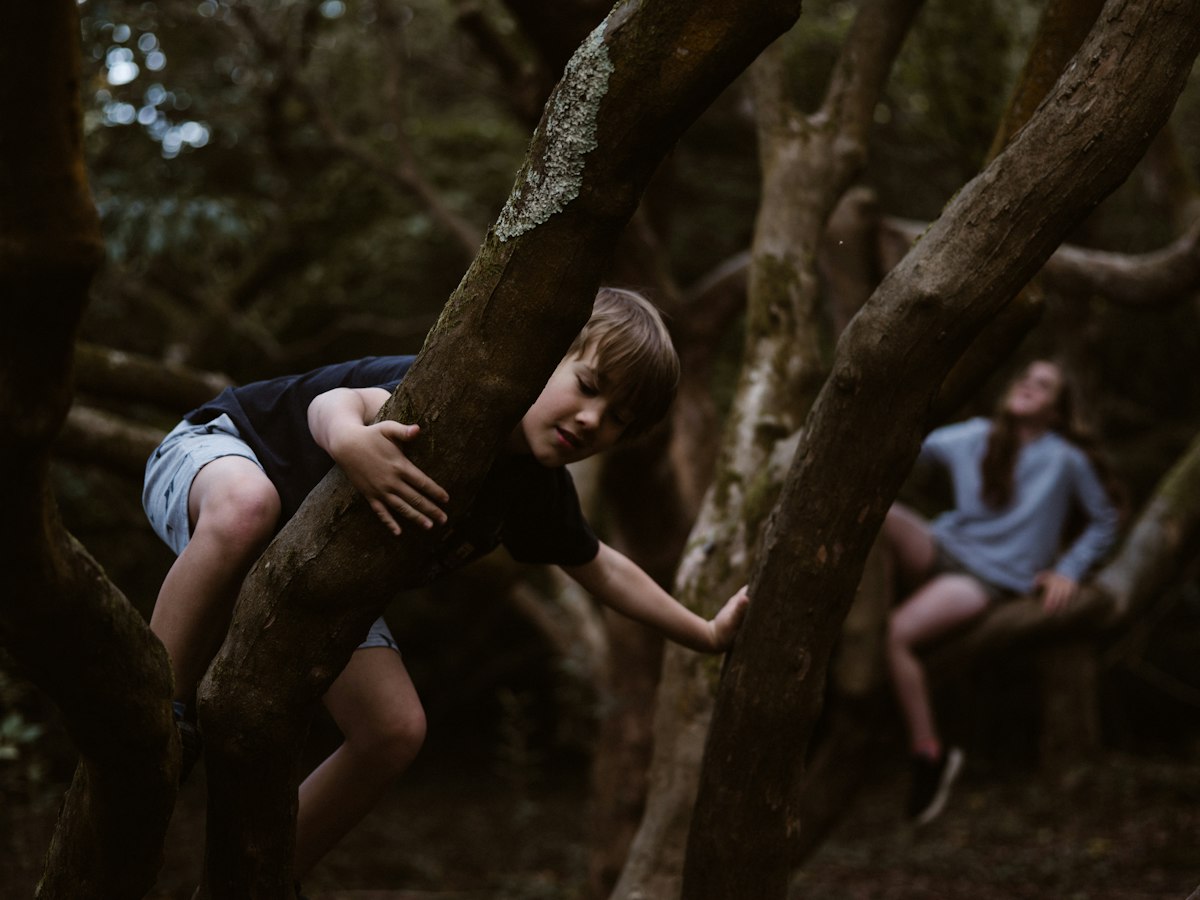
Research consistently shows that time spent in natural settings — even as little as 20 minutes — can meaningfully restore children's ability to focus and sustain attention. Studies point to green spaces, unstructured outdoor play, and views of nature as effective, low-cost tools for supporting cognitive self-regulation in kids of all ages. While nature isn't a substitute for professional evaluation when attention challenges are significant, it's one of the most accessible daily habits families can build.
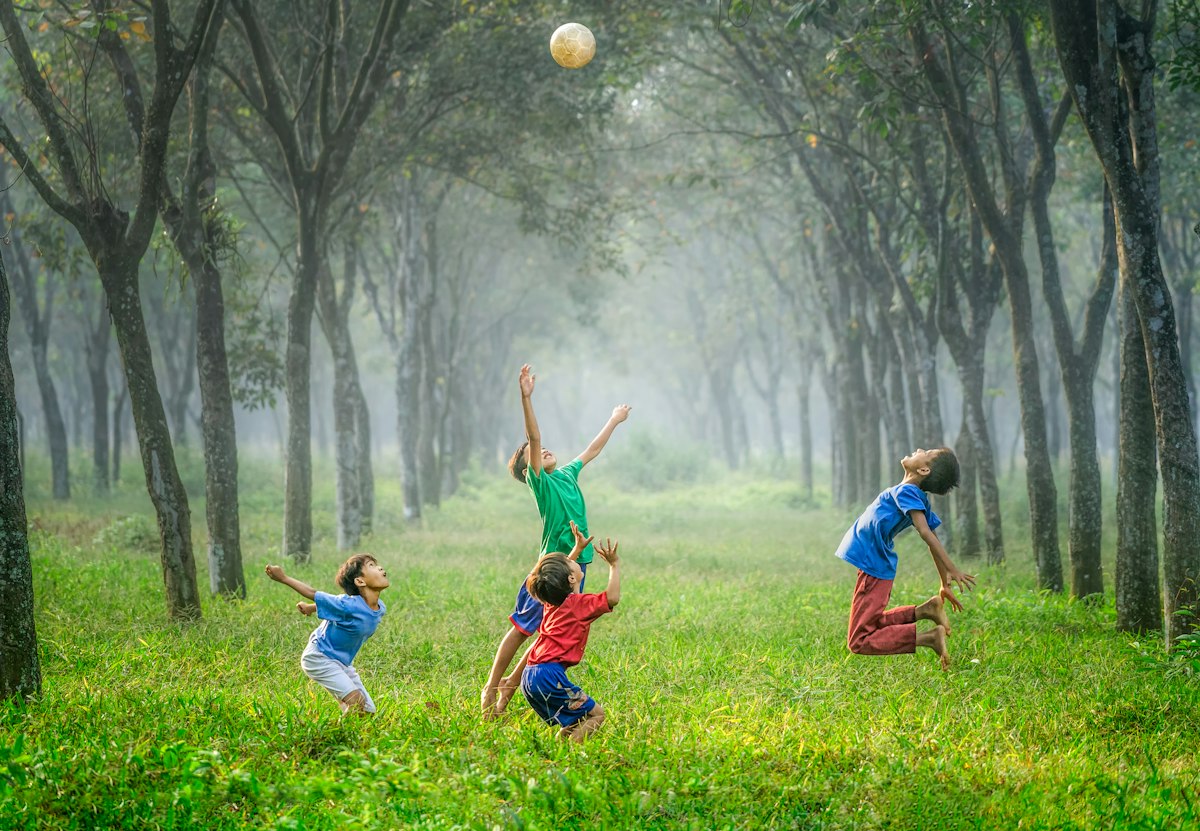
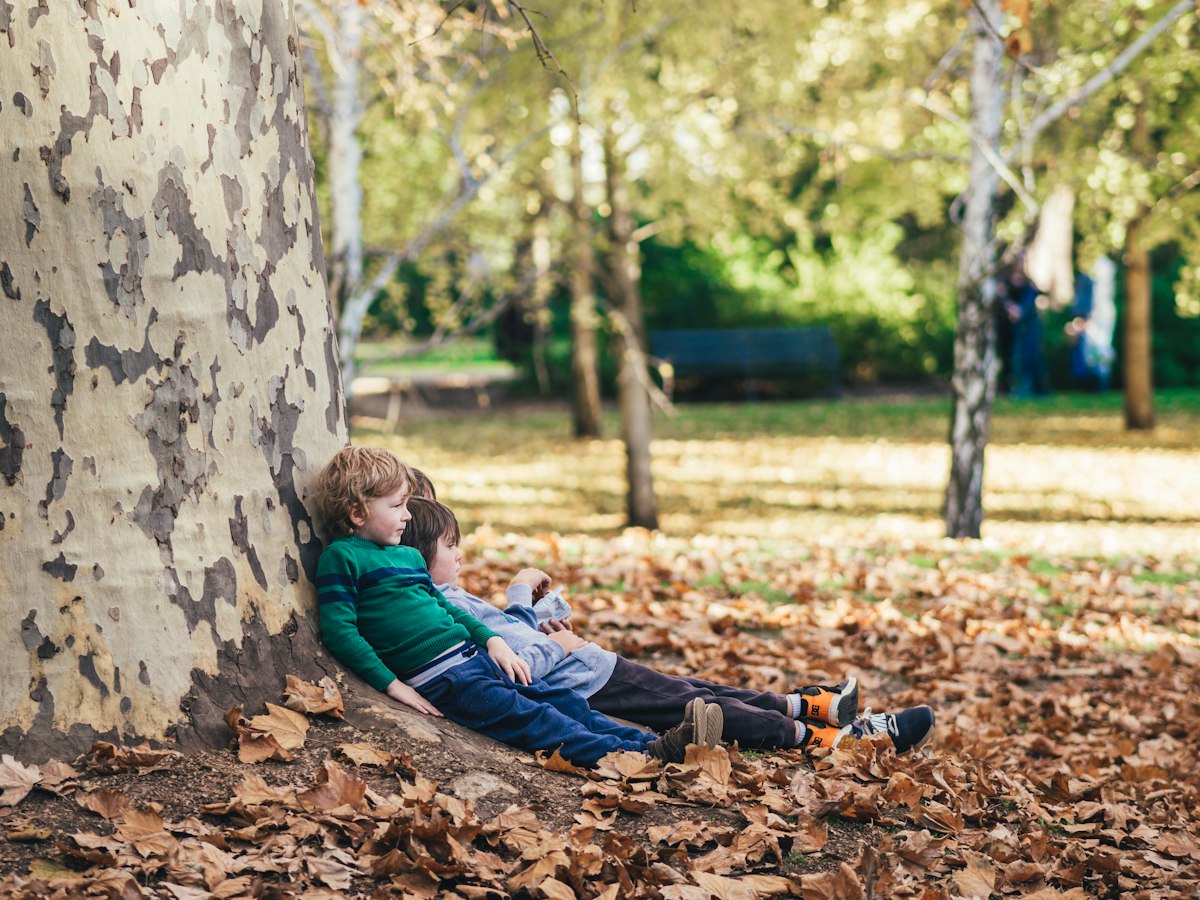
If you've ever watched a distracted, restless child settle down after twenty minutes at a park, you've already seen the science in action. Something shifts outside — the fidgeting slows, the focus sharpens, and the mood lifts. Parents often chalk it up to "burning off energy," but researchers have been studying exactly this phenomenon for decades, and the findings are quietly remarkable. Nature exposure and children's focus and attention are more closely linked than most of us realize, and the good news is that the "dose" needed to see real benefits is smaller than you'd expect.
What the Research Actually Says About Nature and Focus
The leading framework for understanding why nature restores attention is Attention Restoration Theory (ART), developed by environmental psychologists Rachel and Stephen Kaplan in the 1980s. Their core idea: directed attention — the kind we use to focus deliberately on a task — is a finite resource that gets depleted. Natural environments, with their "soft fascination" (think dappled light, rustling leaves, moving water), allow that directed-attention system to rest and recover without demanding more from it.
A landmark 2004 study by Frances Kuo and Andrea Faber Taylor, published in the American Journal of Public Health, found that children with ADHD symptoms showed significantly better concentration after a 20-minute walk in a park compared to walks in urban or indoor settings. The effect size was comparable to stimulant medication doses, though the researchers were careful to note this doesn't replace treatment — it complements it. You can read that study at PubMed Central.
More recently, a 2019 review published in Frontiers in Psychology analyzed multiple studies on green space and children's cognitive development, concluding that access to natural environments was associated with improved working memory, reduced inattention, and better cognitive flexibility. The review noted that the benefits appeared across a wide age range, from preschoolers through adolescents. That full review is available via Frontiers in Psychology.
What makes this particularly compelling for parents is the mechanism: nature doesn't overstimulate. The structured, fast-paced, reward-driven environments many kids navigate daily — classrooms, screens, organized activities — demand constant directed attention. Nature offers the opposite. It invites looking without pressure, exploring without a goal, and noticing without being tested on what you noticed.
How Much Time Outside Is Actually Needed?
This is the question most parents ask first, and the answer is genuinely encouraging. You don't need a weekend camping trip to see benefits (though those are wonderful). The research suggests that relatively short, regular exposures are where the real value accumulates.
The Kuo and Faber Taylor study mentioned above found measurable attention improvements after just 20 minutes in a green setting. A 2019 study from the Barcelona Institute for Global Health tracked over 2,500 children and found that those with more green space near their homes — meaning regular, incidental exposure, not structured nature programs — scored better on measures of attention and working memory across multiple years. The key word there is regular. Consistency seems to matter more than intensity.
Practical targets that align with the research:
- Toddlers and preschoolers (1–5 years): At least 60–90 minutes of outdoor time daily, ideally with some genuine green space (a backyard, a park with trees and grass, a trail). This aligns with physical activity guidelines from the CDC and layers on cognitive benefits.
- School-age children (6–12 years): Even a 20-minute outdoor recess or after-school time in a green setting can functionally restore attention for the next task. Studies on school recess consistently show improved on-task behavior in the classroom afterward.
- All ages: Unstructured time matters. Nature walks where kids are free to follow their curiosity — not directed by an adult agenda — appear to produce stronger restoration effects than organized outdoor activities.
The takeaway: a daily park trip, a backyard play session, or even a walk that takes you past trees rather than pavement can stack up to meaningful cognitive support over time. It doesn't have to be a production.
Green Space vs. Any Outdoor Time — Does It Matter?
Short answer: yes, but not dramatically. The research does suggest that "greener" environments (more trees, grass, water, natural elements) produce stronger attention-restoration effects than purely built outdoor spaces like playgrounds with no vegetation. But a playground surrounded by trees counts. A walk through a tree-lined neighborhood counts. You don't need a forest.
What seems to matter most across studies is the absence of overstimulating inputs — loud traffic, dense crowds, flashing screens — rather than the presence of a specific nature feature. If your outdoor time is calm, sensory-rich in a gentle way, and free of directed demands, you're likely hitting the conditions that restore attention.
For families in dense urban areas, research on "nearby nature" is encouraging. A 2015 study found that even views of trees from a school window were associated with better attention performance in students. Window boxes, rooftop gardens, and urban parks all count. Working with what you have is entirely valid.
If you want to go deeper on the science and practical strategies for raising kids with a genuine connection to the natural world, How to Raise a Wild Child by Scott Sampson is one of our favorite resources on the shelf.
How to Raise a Wild Child: The Art and Science of Falling in Love with Nature
Scott Sampson's book is a genuinely practical, evidence-grounded guide for parents who want to build real nature connection into everyday family life — without it feeling like a curriculum. It's warm, readable, and full of ideas that actually work in busy schedules.
View on Amazon →Age-by-Age: What Nature Exposure Looks Like in Practice
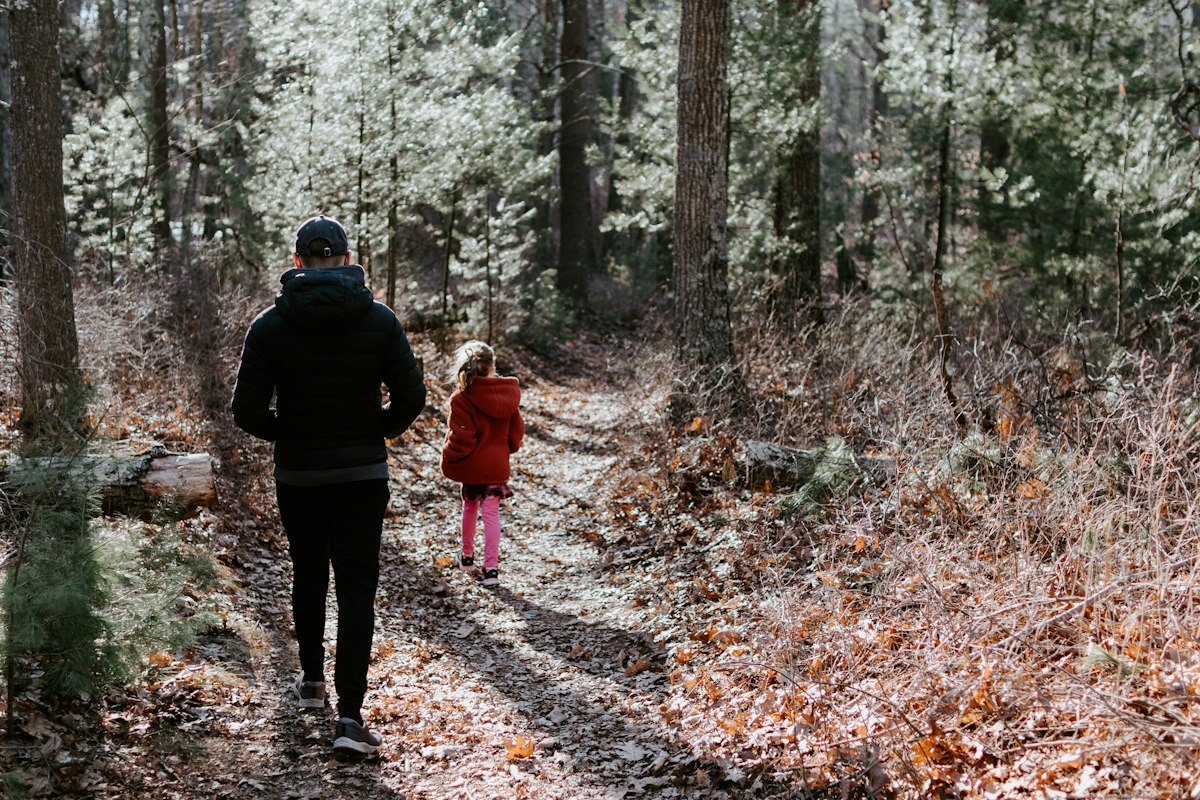
The research on attention restoration spans a wide age range, but what "getting outside" actually looks like shifts a lot between a six-month-old and a six-year-old. Here's how to think about it at different stages.
Babies (0–12 months): Even infants benefit from outdoor sensory exposure — the visual complexity of tree canopies, the sounds of wind and birds, the temperature changes of open air. This isn't directly about attention in the academic sense, but it's building the sensory foundation that attention draws on later. Regular stroller walks or babywearing hikes are the natural fit here.
Toddlers (1–3 years): This is where unstructured outdoor play really shines. Toddlers following their own curiosity — picking up sticks, watching bugs, splashing in puddles — are practicing sustained voluntary attention in one of the purest forms possible. Resist the urge to over-direct. Your job is to keep them safe and let them lead.
Preschoolers (3–5 years): At this age, children can begin to notice and name things in nature, which deepens engagement. Simple activities like looking for birds, collecting leaves by color, or following a stream with their eyes support both attention skills and early naturalist thinking. Keep it playful — the moment it feels like a lesson, the magic drops.
School-age kids (6–8+ years): Green time before or after school can function as a genuine cognitive reset. If your child comes home wound up and distracted, 20 minutes outside before homework is worth trying before anything else. The research on this is pretty consistent.
Frequently Asked Questions
Add these picks to your The Barefoot Bub registry
Build your outdoor childhood kit with everything we recommend.
Start Your Registry