Outdoor Learning Activities for Toddlers (2026 Guide)
The Barefoot Bub may earn a commission from links on this page. We choose products independently.
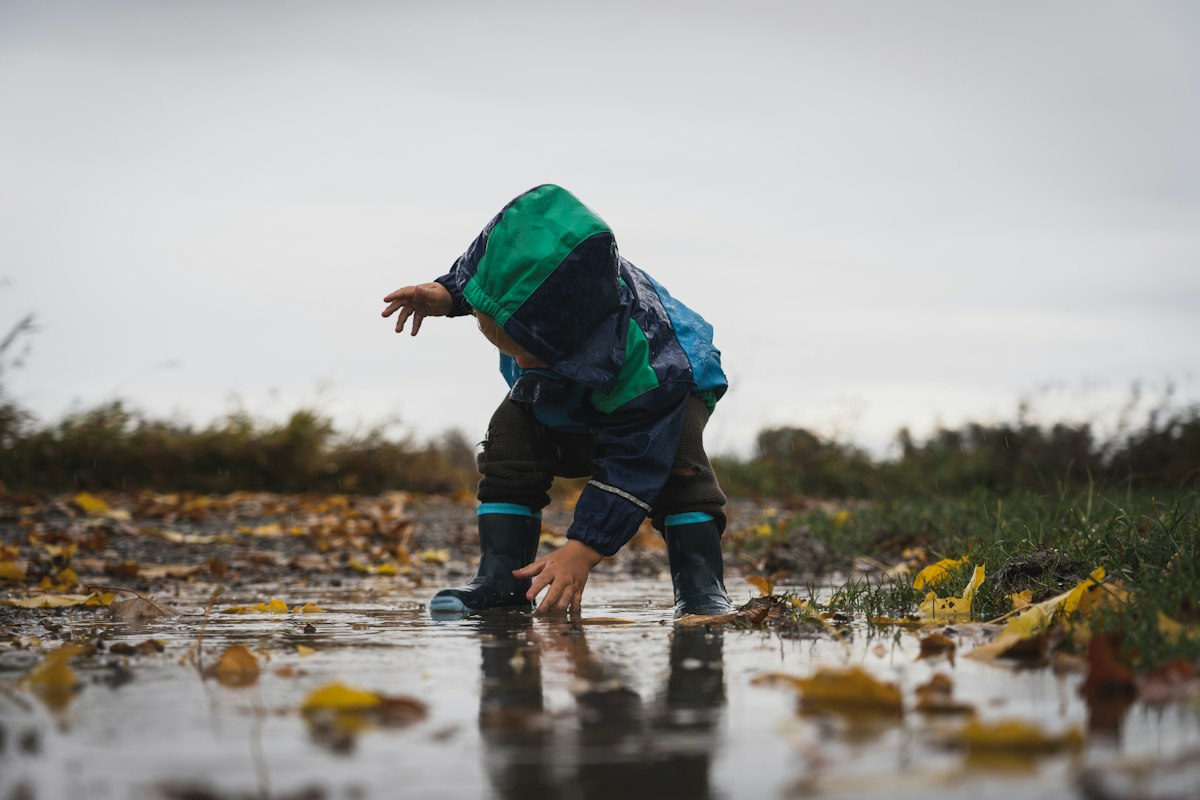
Outdoor learning activities for toddlers build sensory awareness, language, and early science skills through direct contact with nature. The best activities require almost no equipment, just an outdoor space, a curious toddler, and a few minutes of unhurried time. This guide walks you through five ready-to-run activities with step-by-step instructions you can use today.
Toddlers are wired to learn by touching, tasting (yes, everything), listening, and moving — which makes the outdoors the best classroom they'll ever have. Research from the American Academy of Pediatrics supports outdoor free play as a driver of cognitive, physical, and social-emotional development in early childhood. The good news? You don't need a forest, a curriculum, or a Pinterest-worthy setup. A backyard, a local park, or even a patch of sidewalk gives you everything you need to run the activities below.
What You'll Need
Most of these activities need almost nothing, but a few simple items make everything smoother:
- A small basket or bag for collecting (a repurposed tote works perfectly)
- Waterproof boots or sturdy closed-toe shoes
- Weather-appropriate layers — toddlers cool down fast once they stop moving
- A portable blanket or sit spot for quieter activities
- A water bottle they can manage themselves
- Sunhat for warm days, rain gear for wet ones
Merry People Bobbi Kids Rain Boot
Puddle jumping, muddy paths, dewy grass — these boots handle all of it without a fuss. The pull-on design means toddlers can get them on and off with minimal help, which matters a lot when you're trying to get out the door.
View on Amazon →5 Outdoor Learning Activities for Toddlers
1. Nature Scavenger Hunt
Before you head outside, make a simple picture list together: a leaf, a rock, something rough, something soft, something the same color as your shirt. Walk slowly and let your toddler lead the search. Name everything they find and talk about how it looks, smells, and feels. This builds vocabulary, observation skills, and the quiet habit of noticing — one of the most valuable things you can grow in a small child.
Make it easier: Limit the list to three items and collect everything in a pile at the end rather than checking off a list.
Make it harder: Add categories like "something alive" or "something that makes a sound" to stretch early science thinking.
2. Mud Kitchen and Sensory Mixing
Find a patch of dirt, add water from a cup or hose, and hand over a spoon. That's the whole setup. Toddlers who "cook" with mud and water are exploring early physics: mixing, pouring, measuring, and cause and effect. Narrate what you observe — "your soup is getting thicker" or "that's a lot of water, what happens next?" — to layer language onto the physical experience without taking over their play.
Make it easier: Pre-mix the mud to the right consistency and set out containers of different sizes to pour between.
Make it harder: Add leaves, petals, or pebbles and ask your toddler to describe what their "recipe" includes and why they chose each ingredient.
3. Stick Sorting and Pattern Making
Gather a pile of sticks on a walk or in the yard and bring them to a flat surface — a sidewalk, a picnic table, or a spread-out blanket. Ask your toddler to sort by size (short versus long), by thickness, or just by feel. Then lay them out in a line, a square, or a zigzag and name the shapes together. This is early math in action: sorting, comparing, and spatial reasoning all wrapped in something that feels like playing in a pile of sticks.
Make it easier: Sort just two categories — big sticks in one pile, little sticks in another.
Make it harder: Try to build a small structure together and talk through why some arrangements are sturdier than others.
4. Listening Walk (Sound Map)
Pack a piece of paper and a crayon. Walk a short loop — the block, a park trail, your backyard — and stop every minute or so to listen. Ask your toddler to point to where a sound is coming from: a bird, a car, the wind in the leaves, a dog. If your child is ready, draw a simple dot on the paper for each sound you hear. This slows everything down in the best possible way and builds auditory attention, direction awareness, and an early love of quiet observation.
Make it easier: Forget the paper entirely and just pause, listen, and name sounds together out loud.
Make it harder: After the walk, try to recall all the sounds you heard and see if your toddler can imitate any of them.
5. Backyard or Park Watercolor Printing
Collect leaves, seed pods, or textured bark pieces on your walk, then press them onto damp watercolor paper (or regular paper works too) and paint over them. When you lift the natural object away, the outline stays behind. Toddlers are genuinely amazed by this, and it ties directly to observation — they start noticing the veins on leaves and the texture of bark in a whole new way. Keep expectations low: the process is the point, not the finished product.
Make it easier: Pre-paint the paper and let your toddler just press and lift the natural objects.
Make it harder: Sort the printed shapes afterward and talk about which plant or tree each one came from.
Gear That Makes Getting Outside Easier
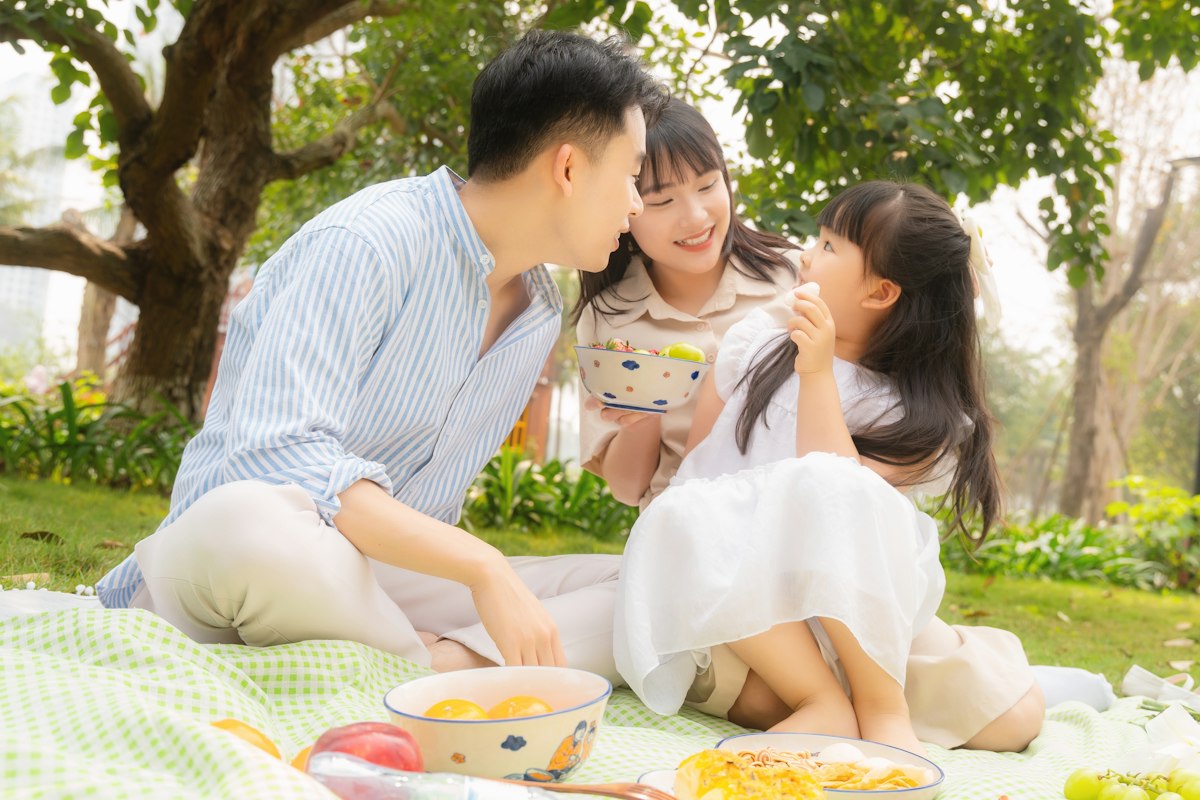
The biggest barrier to outdoor learning activities for toddlers isn't enthusiasm — it's friction. If getting out the door feels like a production, it happens less often. A few smart pieces of gear help remove that friction so the activity can actually happen.
Pocket Blanket
A waterproof, packable blanket that stuffs into its own pouch and clips to a bag gives you an instant sit spot for stick sorting, nature printing, or a mid-walk snack break — no fuss, no wet bottoms. It packs down small enough that it lives in your bag permanently.
View on Amazon →Beyond gear, the most useful thing you can do is keep sessions short. Fifteen minutes of focused outdoor learning with a toddler is a genuinely good outing. Twenty is a great one. You don't need to push past the window of engagement — build the habit of going out often and briefly, and the longer adventures follow naturally.
Frequently Asked Questions
Add these picks to your The Barefoot Bub registry
Build your outdoor childhood kit with everything we recommend.
Start Your Registry