Nature Based Learning for Kids: A Practical How-To Guide
The Barefoot Bub may earn a commission from links on this page. We choose products independently.
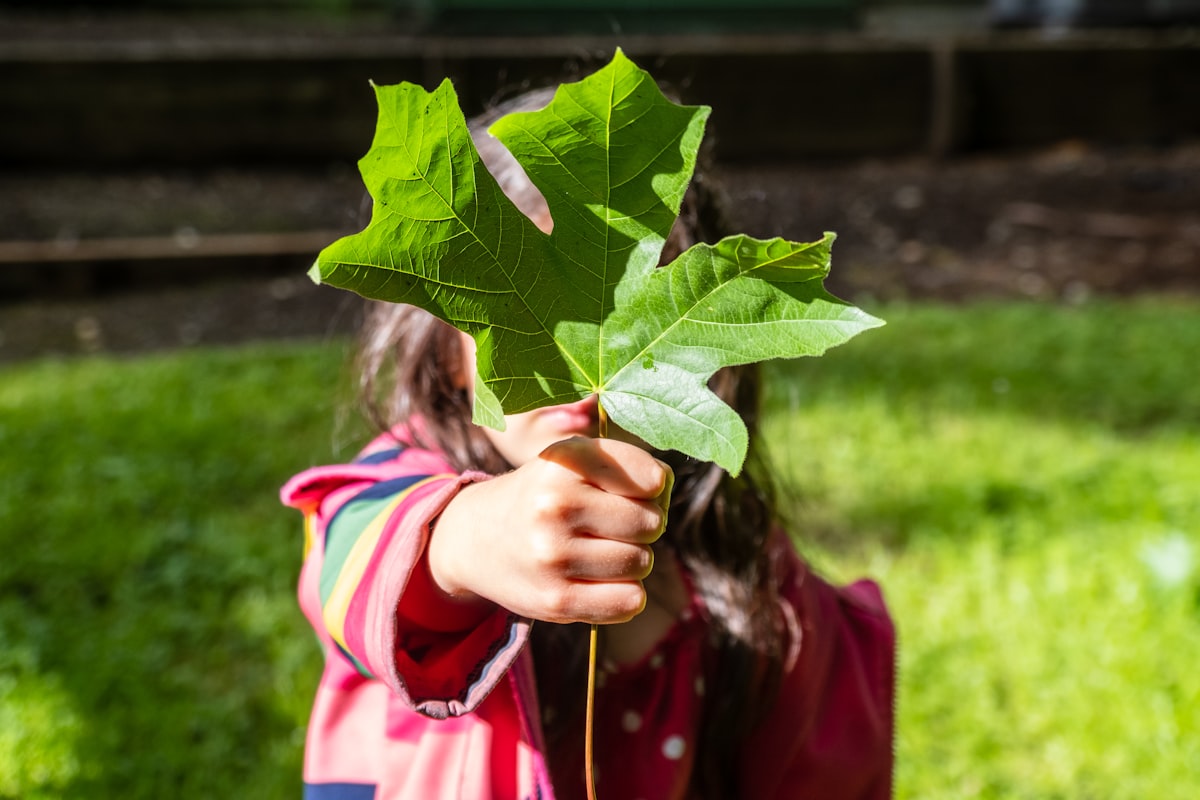
Nature based learning for kids means using the outdoors as a hands-on classroom, observing, questioning, and discovering through direct experience with the natural world. It supports cognitive, sensory, and emotional development across all age groups, and it doesn't require a forest school enrollment or a special curriculum. You just need to get outside with intention and let curiosity lead.
Here's the thing about nature based learning: it sounds more complicated than it is. You don't need a laminated lesson plan or a Pinterest-worthy nature table. What you need is a little time outside and the willingness to follow your kid's lead. Whether your child is still in a carrier or old enough to flip rocks independently, the outdoors offers more learning opportunities per square foot than almost any classroom setting. This guide will show you how to build a simple, repeatable nature learning practice that actually fits into real family life.
What You'll Need
One of the best things about nature based learning is how little equipment it requires. Before you head out, gather a few basics:
- A comfortable way to bring babies and toddlers along (carrier, stroller, or bike trailer)
- A small nature journal or blank notebook per child (for ages 3+)
- A few simple tools: a magnifying glass, a bug catcher, a small ruler
- A bag for collecting (sticks, leaves, pinecones, whatever sparks interest)
- Weather-appropriate layers for everyone
- Water and snacks, nature learning works better when no one is hangry
- Your phone camera or a disposable camera for older kids
That's genuinely it. The goal is to reduce friction, not add to it.
How to Build a Nature Learning Session Step by Step

Step 1: Pick one small, focused place to explore.
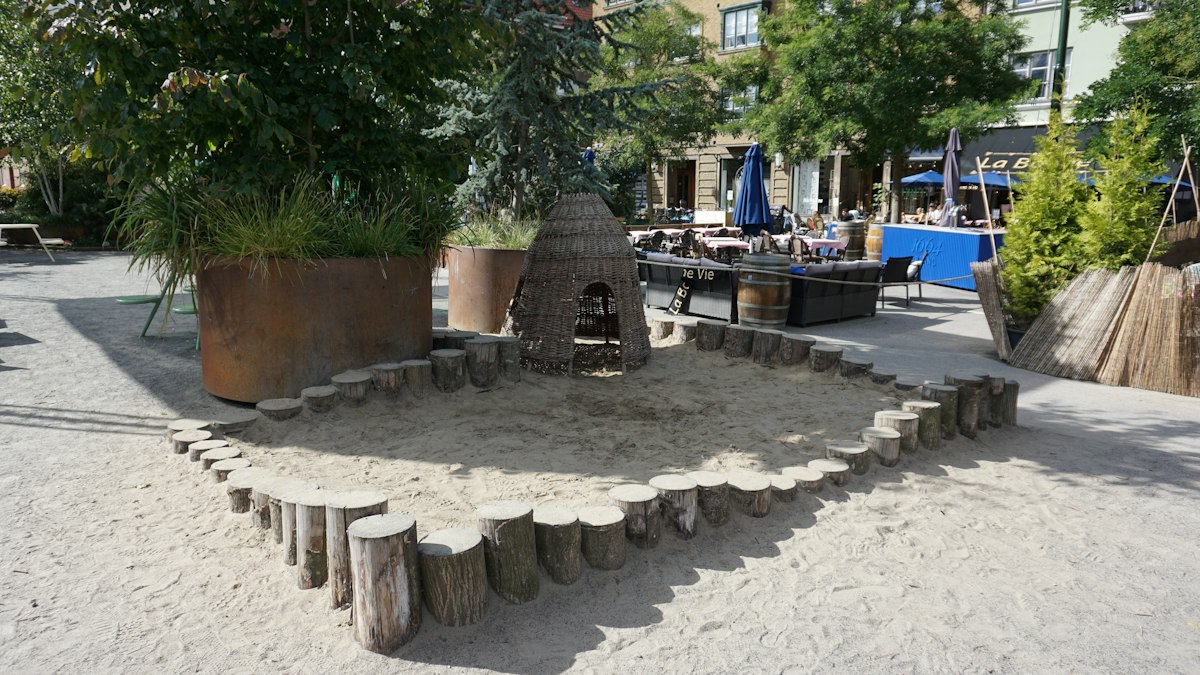
This doesn't have to be a national park or even a hiking trail. A backyard, a patch of grass at a local park, a creek edge, or a neighborhood tree counts. The key is to go to the same spot more than once, repetition is where the real learning happens, because kids start to notice what's changed and what hasn't. Keep it close enough that the travel doesn't eat your energy before you even start.
Step 2: Start with a wonder question before you arrive.
In the car, on the walk over, or right before you step outside, ask your child one open-ended question: "What do you think we'll find today?" or "I wonder if the bugs are under the log again." This primes their brain to look actively rather than passively drift. For toddlers, keep it simple: "What do you hear?" For older kids, you can get more specific: "Let's see if we can find three different types of leaves."
Step 3: Give kids unstructured time first, then invite observation.
Don't start with the lesson. Let them run, dig, poke, and wander for the first 10-15 minutes, this burns off the restlessness and naturally opens them up to curiosity. Once they've settled a little, that's your window to invite deeper noticing: "Come look at this. What do you see?" You're not teaching, you're wondering alongside them. That's the entire method.
Step 4: Use the "Notice, Name, Connect" framework.
When something catches their interest, an insect, a weird-shaped rock, a bird call, move through three gentle prompts. First: notice ("What do you see, hear, or feel?"). Then: name (look it up together, use a field guide app, or just give it a fun made-up name for now). Then: connect ("Have we seen this before? Where do you think it lives?"). This loop builds scientific thinking without it ever feeling like school.
Step 5: Capture it and bring something back.
For ages 3 and up, a nature journal is a powerful tool. A quick sketch, a taped-in leaf, or a sentence about what they found creates a record of learning that kids genuinely love flipping back through. Younger toddlers can bring home a pinecone or a smooth stone as their "treasure." The act of collecting, drawing, or photographing deepens the experience and gives the learning somewhere to live beyond that afternoon.
Step 6: Debrief casually on the way home.
In the car or on the walk back, revisit the wonder question from Step 2. "Did we find what we thought we would?" "What was the most surprising thing?" This closing loop helps consolidate memory and gives kids the language to talk about what they experienced. Keep it conversational, you're not quizzing, you're sharing.
Osprey Poco™ Child Carrier
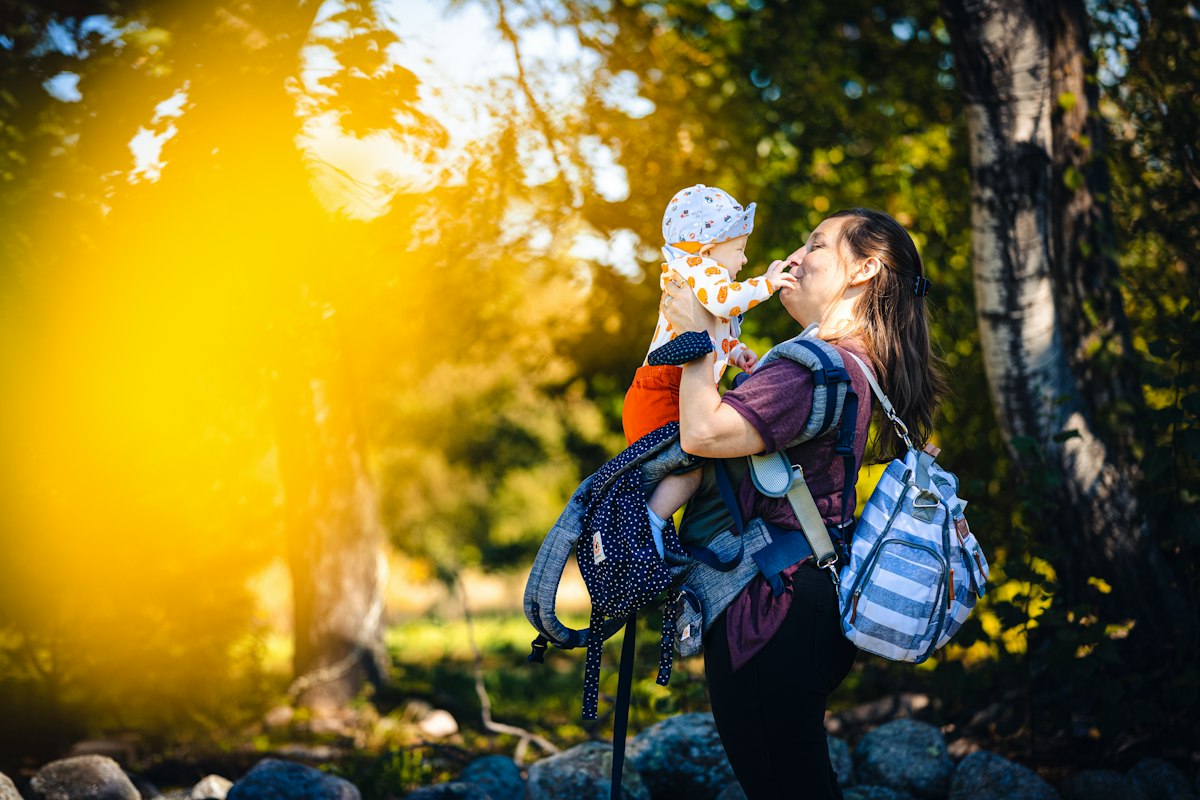
For families with babies and toddlers who aren't quite independent walkers yet, having the right carrier is the difference between a nature outing that happens and one that stays on the to-do list. The Osprey Poco keeps little ones at eye level with the world, which means they're observing, pointing, and engaging the whole time you're walking. It's genuinely one of the most used pieces of gear for outdoor learning families.
View on Amazon →Make It Easier or Harder: Adapting for Your Child

Make it easier (ages 0-2yr): Skip the journal and the framework entirely. For babies and young toddlers, nature based learning looks like touching bark, feeling grass under their feet, hearing birds, and watching light move through leaves. Narrate what you see as you go, "That's a big brown beetle", and let sensory experience do the work. A carrier that keeps them upright and facing out is your best tool here.
Make it easier (for busy days): Drop it down to 20 minutes in your own backyard. Even five minutes of focused outdoor observation beats zero. You don't need a whole session every time, a quick "what do we notice today?" walk around the block counts.
Make it harder (ages 4-6yr and up): Add a field guide (printed or app-based) and challenge kids to identify three things by name before you leave. Introduce simple data tracking: "Let's count how many different types of birds we hear" or "Let's map our spot and mark where we found the most insects." You can also introduce seasonal comparison, bringing back old journal entries to see what's changed month to month.
For mixed-age siblings: Give each child a different job. The youngest is the "sound spotter," the older one is the "sketcher," and the oldest is the "namer" who looks things up. Everyone contributes at their level, and the different roles keep the older kids from getting bored while the younger ones explore at their pace.
Balanced and Barefoot by Angela Hanscom
If you want to go deeper on the "why" behind nature based learning, this book by occupational therapist Angela Hanscom is one of the most accessible, research-grounded reads out there. It makes a compelling case for unrestricted outdoor play and sensory-rich environments in child development, and it's the kind of book that makes you want to cancel after-school activities and go find a mud puddle instead.
View on Amazon →Frequently Asked Questions
Add these picks to your The Barefoot Bub registry
Build your outdoor childhood kit with everything we recommend.
Start Your Registry