Best Summer Outdoor Activities for Kids (By Age)
The Barefoot Bub may earn a commission from links on this page. We choose products independently.
The best summer outdoor activities for kids combine movement, exploration, and sensory play in ways that match their developmental stage. From backyard water play for toddlers to nature scavenger hunts for school-age kids, summer is the easiest season to build a genuine connection with the outdoors. The key is keeping it simple, low-pressure, and fun enough that everyone actually wants to go back outside tomorrow.
Summer has this magical way of lowering the bar for getting outside. The days are long, the weather is forgiving, and kids have an almost magnetic pull toward anything involving water, dirt, or creatures that move. You don't need a packed schedule or an elaborate plan. What you need are a handful of go-to activities that work for your kid's age and energy level, and a setup that makes leaving the house feel easy rather than exhausting. Here's how we think about summer outdoor time at The Barefoot Bub, broken down by age and activity type so you can pick what actually fits your life.
Why Summer Is the Best Season to Start an Outdoor Habit
If you've been meaning to get outside more with your kids, summer is genuinely the best on-ramp. The sensory environment is rich, warm sun, bare feet on grass, the smell of sunscreen and pine. Research consistently shows that unstructured time in nature supports children's creativity, emotional regulation, and physical development. But you don't need to overthink it. You just need to go. A twenty-minute walk to a local creek counts. A blanket in the backyard with a magnifying glass counts. What matters is the habit, not the mileage. Start small and build from there. Summer gives you long daylight windows to work with, which means morning nature walks before the heat peaks, afternoon water play, and golden-hour evening strolls are all on the table. The trick is removing the friction between wanting to go and actually going, which means having your gear ready, your snacks packed, and a loose sense of what you'll do when you get there.
Summer Outdoor Activities for Babies and Toddlers (0–3 Years)
Tiny kids don't need programming. They need access, to grass, to mud, to the sound of wind in trees. For babies, a shaded blanket outside is a full sensory experience. Let them feel grass under their hands, watch light filter through leaves, and hear birds. That's it. That's the activity. For older babies and young toddlers, water play is pure gold. A shallow tub, a sprinkler, or a puddle after rain is endlessly entertaining. Add some cups and containers and you've got a full afternoon sorted. Nature walks work beautifully at this age too. Slow, meandering, stop-every-thirty-seconds walks where your toddler collects rocks and stares at bugs. Let them lead the pace. The point isn't distance, it's curiosity. If you're doing longer outings with a baby or toddler, having the right gear makes everything easier. A sun cover or tarp for the stroller means you can stay out longer without worrying about UV exposure. A good carrier keeps your baby happy and your hands free.
Thule Sun and Wind Tarp
Summer sun is beautiful until it isn't. This tarp attaches to the Thule Urban Glide and shields your baby or toddler from harsh UV rays and wind, which means you can stay at the park or beach longer without cutting the day short. A small addition that makes a real difference on summer outings.
View on Amazon →CoolCabanas Beach Tent
If beach days are on your summer agenda, this is the shelter that actually stays put. CoolCabanas are beloved by outdoor families for a reason, they're easy to set up, genuinely shade-providing, and stable enough to hold up through an afternoon at the shore. Works for babies right through school age, making it one of those rare pieces of gear that grows with your family.
View on Amazon →Summer Outdoor Activities for Preschoolers (3–6 Years)
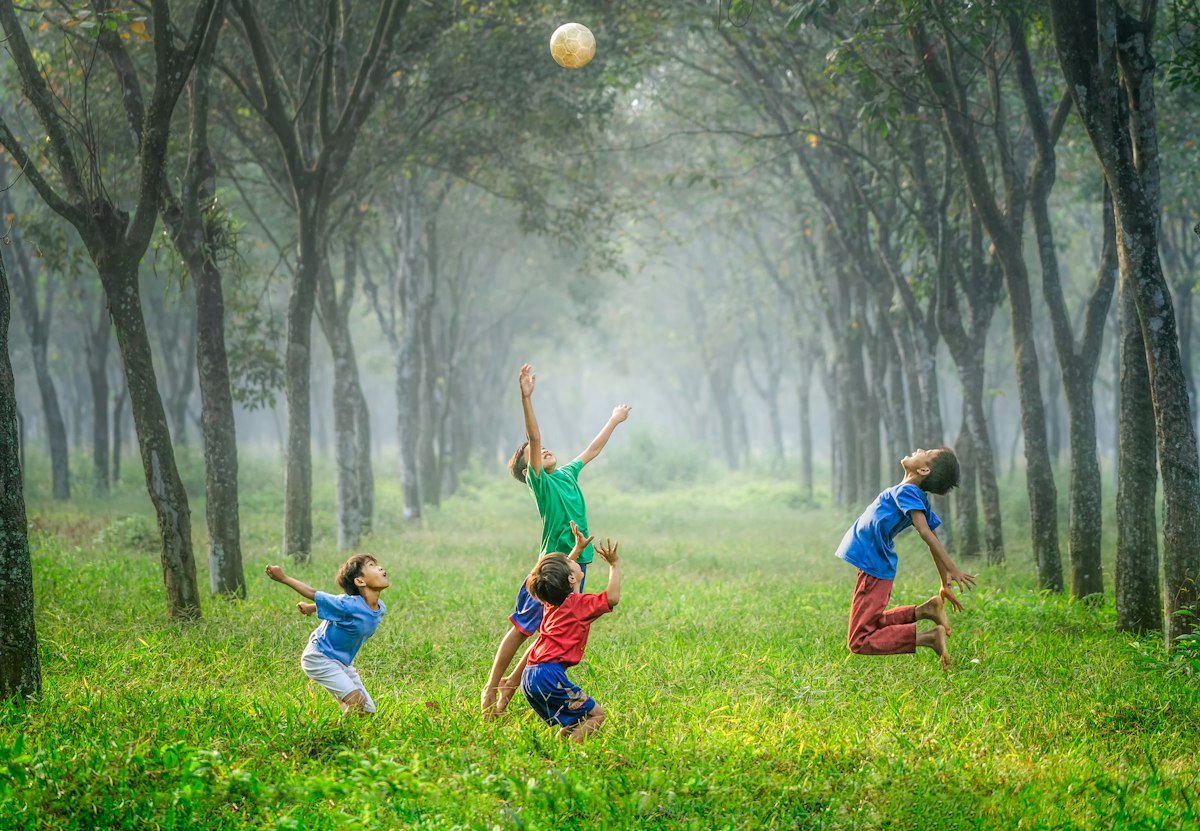
This is arguably the sweetest age for outdoor summer adventures. Preschoolers are mobile enough to actually explore, imaginative enough to turn a stick into a treasure, and enthusiastic enough to make you remember why you loved being outside as a kid. Scavenger hunts are an absolute staple at this age, keep them simple (find something yellow, find a feather, find something bumpy) and watch them go. Gardening is another big one. Giving a four-year-old their own little patch to plant, water, and watch grow is incredibly rewarding for them and honestly pretty magical to witness. Bug hunting, nature journaling with simple drawings, building fairy houses out of sticks and leaves, splashing in streams, all of it counts. None of it needs to be complicated. The goal at this age is getting them comfortable in nature, building the muscle memory of going outside and finding it enjoyable. Bike rides work beautifully here too, even if they're still on a balance bike or getting a boost from a rear seat on your bike.
Thule Yepp Nexxt 2 Mini Bike Seat
Bike rides are one of the great summer rituals, and this front-mounted seat puts your little one right in the action. Suitable from around 9 months through toddlerhood, it's easy to attach and gives your child a great view while keeping them secure and close. Summer evening rides just got a whole lot better.
View on Amazon →Summer Outdoor Activities for School-Age Kids (6–8 Years)
By six or seven, kids are ready for more ambitious outdoor experiences, and they'll remember them. This is the age for proper hikes with a destination (a waterfall, a summit, a lake), for camping trips where they help set up the tent, for learning to identify birds or wildflowers with a simple field guide. It's also a great age to introduce responsibility in nature: carrying their own day pack, helping navigate a trail map, understanding Leave No Trace basics. Scavenger hunts get more sophisticated, try a photo hunt where they document what they find. Water activities expand too: kayaking with a parent, snorkeling in calm water, creek exploration. The through-line at every age is that outdoor time doesn't have to mean epic adventure. A regular morning walk, a weekly trip to a nature reserve, a standing Saturday-morning bike ride, consistency matters more than intensity. What you're building isn't just fitness or nature knowledge. You're building a relationship with the outside world that will serve them for the rest of their lives.
PlanetBox Rover Stainless Steel Bento Box
Every good outdoor adventure runs on snacks. The PlanetBox Rover makes it easy to pack a variety of foods, fruit, veggies, crackers, proteins, without needing a dozen individual containers. It's durable, easy for kids to open themselves, and cuts down on single-use plastic. Perfect for picnics, trail lunches, and beach days all summer long.
View on Amazon →How to Make Summer Outdoor Time Actually Happen
Here's the honest part: intentions are easy, follow-through is harder. Summer schedules fill up fast, camps, travel, family visits, and suddenly August arrives and you realize you didn't get outside as much as you hoped. A few things that actually help. First, make it part of a routine rather than a special event. Outside time after dinner. A park trip on Saturday mornings. A walk before screens. When it's built into the rhythm of the week, it's harder to skip. Second, lower your expectations for what a successful outing looks like. Twenty minutes at a neighborhood park where your kid digs in the sandbox counts. It absolutely counts. Third, involve your kids in the planning. Even young toddlers respond to agency, "Do you want to go to the creek or the meadow today?" creates buy-in. And finally, make sure your gear is working for you, not against you. If loading up the stroller takes fifteen minutes and you're constantly losing snacks and sunscreen, you're going to go less. Streamline your setup so leaving is easy. The families who get outside the most aren't the ones with the most gear, they're the ones with the right gear in a system that works.
Frequently Asked Questions
Add these picks to your The Barefoot Bub registry
Build your outdoor childhood kit with everything we recommend.
Start Your Registry