Screen Time Alternatives for Toddlers: Get Outside
The Barefoot Bub may earn a commission from links on this page. We choose products independently.
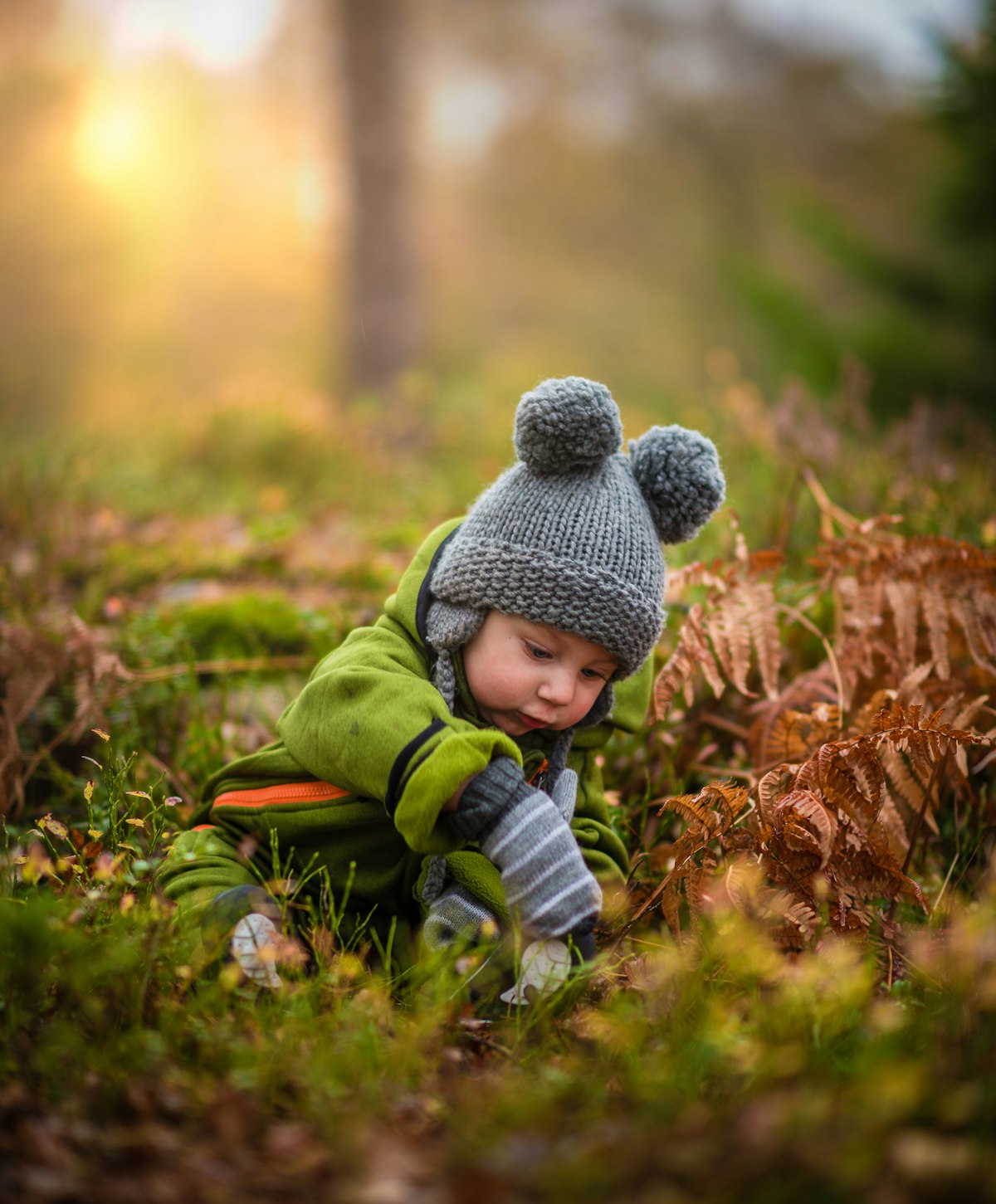
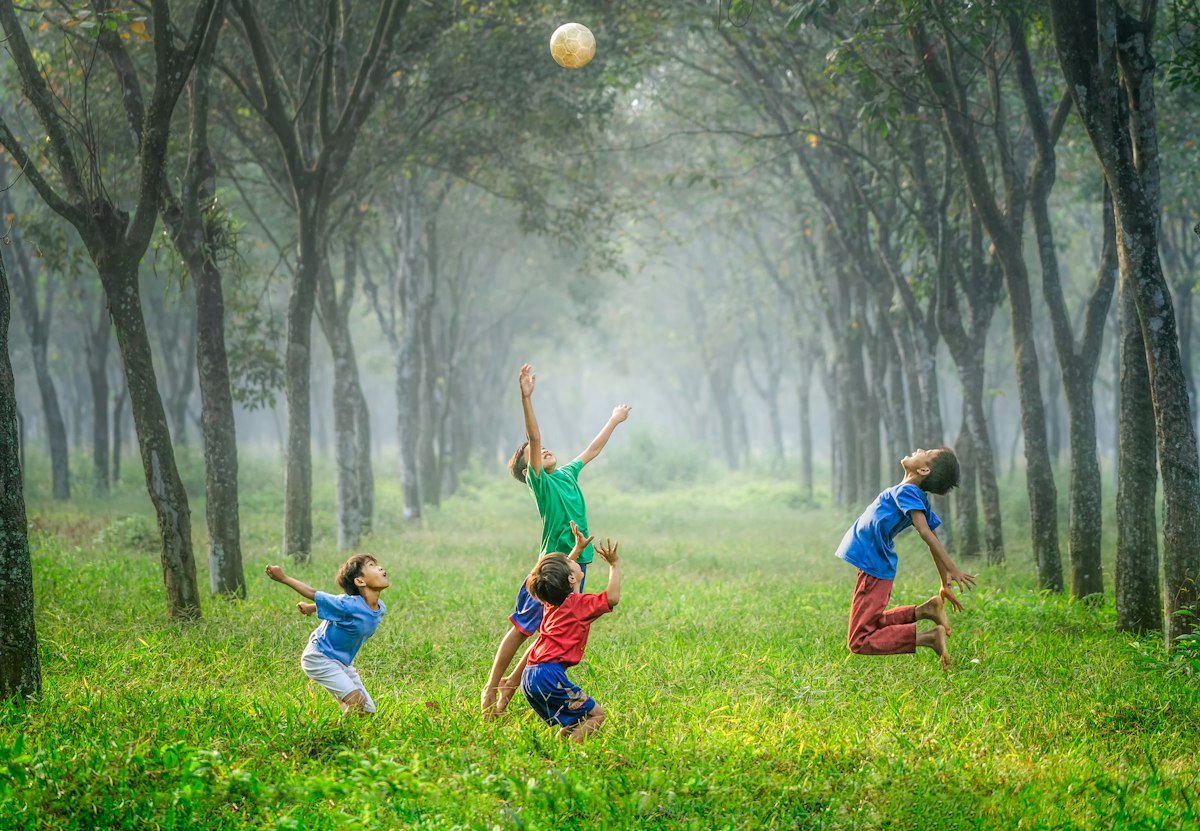
The best screen time alternatives for toddlers are activities rooted in movement, sensory exploration, and open-ended play, especially outdoors. Research consistently shows that time in nature supports language development, emotional regulation, and physical health in children ages 1–4. Simple swaps like a neighborhood walk, backyard digging, or a trip to a local park can replace passive screen time with experiences that genuinely develop your toddler's brain.
Let's be honest: screens are easy. When you're in the middle of making dinner, answering a work email, or just trying to get through a Tuesday, handing over a tablet can feel like the only option. Nobody's judging. But if you're looking for ways to tip the balance, to fill more of your toddler's day with things that feel a little more alive, you're in the right place. This isn't about perfection or screen-free manifestos. It's about building a toolkit of alternatives that are realistic, low-effort, and genuinely engaging for kids ages 1–4.
Why Outdoor Play Is One of the Best Screen Time Swaps
There's a reason every conversation about screen time eventually circles back to going outside. It's not just tradition, the evidence is solid. Studies from the American Academy of Pediatrics point to outdoor, unstructured play as a key driver of executive function development, fine and gross motor skills, and even vocabulary growth in toddlers. When your kid is poking a stick into the mud, sorting rocks by size, or chasing a dog across a field, their brain is working in ways that a screen simply can't replicate.
And here's the thing no one mentions enough: nature is endlessly novel. Toddlers are wired to seek novelty, it's how they learn. A screen delivers novelty in a controlled, fast-moving package. Outside, the novelty comes slower and richer. The caterpillar they find on Wednesday is different from the one they found last week. The puddle after rain is a whole new sensory experience. That kind of variability keeps them engaged without the dopamine spikes that come from fast-paced digital content.
You don't need a forest or a hiking trail. A back porch, a strip of grass, or a ten-minute walk around the block can be enough, especially if you've got the right setup to make it feel easy rather than effortful.
Thule Urban Glide 3
When getting outside is this smooth, you'll find yourself doing it more often, which is exactly the point. The Urban Glide 3 is built for parents who actually move. Whether it's a morning run before screens even enter the picture or an afternoon neighborhood loop, this stroller makes getting out the door feel effortless for kids from newborn through age 5. One of our most-used pieces of gear for the 1–3yr crowd especially.
View on Amazon →Sensory Play: The Toddler Alternative That Actually Works Indoors Too
Sensory play gets a lot of buzz, but it earns it. For toddlers, touching, pouring, sorting, and squishing are not just fun, they're cognitively rich activities that build neural pathways linked to math, science, and language later on. And the best part? The bar for setup is genuinely low.
A bin of dry rice and a few measuring cups. A bowl of water with some kitchen utensils. A tray of kinetic sand on the back step. These aren't Pinterest projects, they're ten-minute setups that can hold a toddler's attention for 30 to 45 minutes while you actually get things done nearby. Take it outside when weather allows, and you've just turned a screen time slot into open air exploration.
For the outdoor version of sensory play, think: collecting rocks or leaves on a walk, splashing in puddles after rain (invest in a good rain set, more on that below), digging in a sandpit, or just letting your toddler explore different textures in a garden bed. These activities don't need narrating or organizing. You just need to create the space and step back.
Bergen 2.0 PU Rain Set – Toddlers'/Kids'
Rainy days are some of the best days for toddler exploration, if you've got the right gear. This rain set is what makes the difference between staying in and reaching for the tablet versus heading outside to stomp every puddle on the street. Durable, easy to pull on, and genuinely waterproof. Once your toddler knows rain means going out instead of staying in, you'll wonder how you managed without it.
View on Amazon →Books, Imagination, and Slow Play as Screen Alternatives
Not every screen time alternative needs to be active. Toddlers also need practice with slower, quieter forms of engagement, the kind that build attention span, imagination, and the ability to sit with something that doesn't immediately reward them. This is actually one of the most important skills to develop before school age, and it runs directly counter to what fast-moving screen content does.
Reading aloud together is the obvious one, and it genuinely works. Even toddlers who won't sit still for a full book will engage with the right story, especially one that connects to something they've experienced outside. Nature-themed picture books in particular have a way of extending outdoor experiences into the rest of the day. A book about gardens read after digging in the backyard? That's narrative play, and toddlers eat it up.
Beyond books, open-ended imaginative play, blocks, loose parts, play kitchens, gives toddlers the creative latitude that screens don't. The key is resisting the urge to direct it. Set it up, get out of the way, and let them build the story themselves.
The World Needs the Wonder You See
This one's a favorite for the 2–4yr window. It's the kind of book that makes toddlers feel seen, their curiosity, their way of noticing small things, their big feelings about the world. Read it after a walk, after a bug-finding session, after any moment where your toddler spotted something you almost missed. It reinforces exactly the mindset you're trying to build: that the world outside is worth paying attention to.
View on Amazon →How to Build an Outside-First Routine (Without Overhauling Your Day)
The families who use screens least aren't the ones with iron willpower. They're the ones who've made getting outside the path of least resistance. That's really what this comes down to. When the stroller is by the door, the rain gear is hung up and ready, and your toddler knows that after breakfast means outside time, you don't need to negotiate or distract, the routine does the work.
Start with one anchor point in your day. Morning tends to work best for toddlers, their energy is high, their emotional regulation is at its peak, and they haven't hit the afternoon wall yet. Build even 20–30 minutes of outdoor time into that window before screens are even an option, and you'll find the whole day shifts a bit. Toddlers who've had physical, sensory outdoor time in the morning are generally calmer, more focused, and easier to engage with quieter activities afterward.
If you want a framework that goes deeper into this, Scott Sampson's How to Raise a Wild Child is one of the most practical and encouraging reads for parents in this season. It's not preachy, it's a genuine roadmap, written by someone who clearly understands that most of us are just trying to do our best with the time we have.
How to Raise a Wild Child: The Art and Science of Falling in Love with Nature
If you only read one parenting book this year, make it this one. Scott Sampson isn't telling you to move to the mountains or overhaul your schedule. He's giving you small, doable ways to weave nature connection into ordinary days, exactly what you're trying to do when you reach for an outdoor alternative instead of a screen. Practical, warm, and genuinely motivating. Parents of toddlers especially love this one.
View on Amazon →Frequently Asked Questions
Add these picks to your The Barefoot Bub registry
Build your outdoor childhood kit with everything we recommend.
Start Your Registry