How to Raise Outdoorsy Kids: A Practical Guide
The Barefoot Bub may earn a commission from links on this page. We choose products independently.
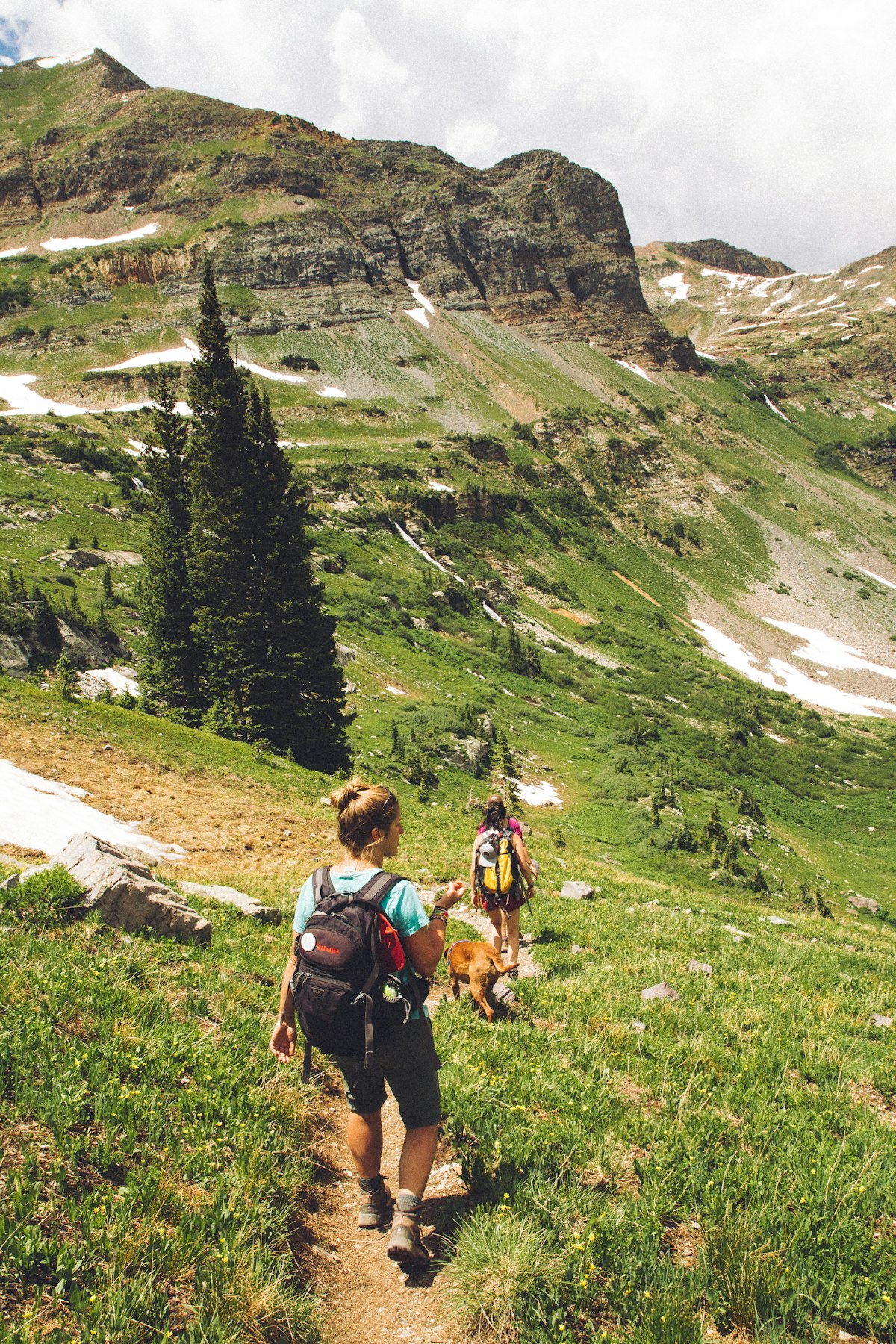
Raising outdoorsy kids starts with making nature a normal, everyday part of family life, not a special occasion. You don't need epic adventures or perfect weather. You need consistency, the right mindset, and a few tools that make getting outside feel easy enough to actually do it.
There's a particular kind of kid you've probably seen, the one who immediately drops to their knees to inspect a bug on the sidewalk, who asks to stay outside a little longer even when it's drizzling, who talks about trees and rivers the way other kids talk about cartoons. That kid didn't arrive that way by accident. And here's the thing: you don't have to move to the mountains or homeschool your children on a homestead to raise one. You just have to start where you are, with what you have, and make outside feel like home.
Start Small and Stay Consistent
The biggest myth about raising outdoorsy kids is that it requires big trips. Long hikes. National parks. Camping gear stacked to the ceiling. But the research consistently shows that it's frequent, low-key time in nature, not grand expeditions, that builds a genuine, lasting connection to the outdoors. A ten-minute walk after dinner every night does more than one weekend camping trip per year.
Think about what already exists in your week and ask where nature can slip in. A patch of grass at the park. A neighborhood creek. Your own backyard, or even a planter box on an apartment balcony. The goal at first isn't awe, it's familiarity. Kids who grow up spending regular time outside start to see nature as comfortable and safe, rather than foreign or inconvenient.
The trick is removing friction. The harder it is to get out the door, the less often it happens. Pre-packed bags, gear that lives by the front door, a default "let's go outside" response to boredom, these small systems compound over time into a family culture. Start with twenty minutes. Do it three or four times a week. That's your foundation.
Thule Urban Glide 3
If you have a baby or toddler, a stroller that can actually handle your life, not just smooth sidewalks, makes daily outdoor time dramatically more realistic. The Urban Glide 3 is built for parents who move: it's smooth on packed trails, handles curbs effortlessly, and makes a quick post-dinner loop feel like the easiest thing in the world. Once getting outside requires almost no effort, it becomes the default.
View on Amazon →Follow Their Lead (Even When It's Slow)
Here's something that trips up a lot of well-meaning outdoor parents: we want to go places. Kids want to stop everywhere. That gap, between your pace and theirs, is where a lot of outdoor enthusiasm gets quietly extinguished.
Young children are wired for slow exploration. A five-year-old who spends forty minutes investigating a rotting log isn't wasting time, they're doing exactly what they're supposed to do. They're building sensory awareness, scientific curiosity, and a felt sense of belonging in the natural world. When we rush them along, we teach them that nature is something to get through, not something to linger in.
This doesn't mean every outing has to be aimless. It means building in margin. Arriving earlier. Choosing shorter trails with more interesting stopping points rather than longer ones with bigger views. Bringing a magnifying glass. Handing them a small notebook and calling them the "trip scientist." The goal is to make outdoor time feel like it belongs to them, not just something they're being taken along on.
Let them get muddy. Let them pick up sticks. Let them crouch in a puddle if the puddle is there. The clothes will wash. The memory of being a kid who was allowed to just be outside, that sticks.
How to Raise a Wild Child: The Art and Science of Falling in Love with Nature
Scott Sampson's book is one of the most genuinely useful things you can read if you're trying to build an outdoor family culture from scratch. It's not preachy, it's not overwhelming, it's practical and warm and rooted in real child development research. A great read for any parent who wants to understand the "why" behind getting outside, and walk away with simple, realistic strategies that work for busy families.
View on Amazon →Dress Them for It (Weather Is Not an Excuse)
"We can't go out, it's raining" is one of those phrases that gets repeated until it becomes a belief. But Scandinavian parents have known for generations what we're slowly rediscovering: there's no such thing as bad weather, only the wrong clothes. When kids are warm, dry, and comfortable, they genuinely don't care that it's overcast or drizzly. In fact, rain puddles and wind and the smell of wet earth are often more interesting than a perfect sunny afternoon.
Proper outdoor layers for kids make an enormous difference. We're talking: a moisture-wicking base layer, a cozy mid-layer on colder days, and a waterproof outer shell that can take a beating. Good rain gear doesn't have to be expensive, but it does have to actually work, cheap ponchos that trap heat or let wind through teach kids that being outside in rain is miserable. It isn't. It's just cold and wet without the right gear.
The same principle applies to sun, snow, and in-between days. When the gear is dialed in, weather stops being a reason not to go and starts being part of the adventure.
Bergen 2.0 PU Rain Set - Toddlers'/Kids'
This is the rain gear that actually holds up. The Bergen 2.0 set, jacket and pants, keeps kids genuinely dry and comfortable so puddle-jumping doesn't turn into a miserable wet exit. When your kid knows they're going to stay dry, rainy days become something to look forward to instead of something to wait out on the couch.
View on Amazon →There's No Such Thing as Bad Weather
Linda Åkeson McGurk's book is the gentle permission slip a lot of parents need. She draws on Nordic friluftsliv culture to show how year-round outdoor time shapes healthier, more resilient children, and makes the case in a way that feels entirely doable for an American family. If you find yourself defaulting to indoor days whenever the forecast isn't perfect, this one's for you.
View on Amazon →Make Outdoor Time Feel Like It Belongs to the Family
Kids internalize identity early. When a child grows up hearing "we're a family that goes outside", and more importantly, experiencing it regularly, that becomes part of how they see themselves. It's one of the most powerful things you can do. Not nature as a lesson or a screen-time replacement, but as just... what your family does.
Some of the best ways to build that identity are small and low-effort: keeping a nature journal together, naming the birds you see most often in your yard, having a "first hike of spring" tradition, or letting each kid pick a trail on rotation. Rituals create belonging. They also create the kind of memories kids carry into adulthood, and often, into their own families eventually.
Books can be a surprisingly powerful thread here too. Reading about nature, gardens, and the wild world together, especially when kids are young, builds vocabulary, wonder, and an emotional connection to the outdoors that reinforces the time you spend outside. It makes the outside world feel bigger and more interesting, which makes kids more curious to explore it.
Rewild the World at Bedtime: Hopeful Stories from Mother Nature
This beautiful bedtime book tells hopeful, real stories about nature restoring itself, wolves returning to Yellowstone, whales coming back to old migration routes. For kids ages 3-8, it builds genuine awe and emotional investment in the natural world. Reading it together is a quiet way to keep nature present even on the days you can't get outside.
View on Amazon →Frequently Asked Questions
Add these picks to your The Barefoot Bub registry
Build your outdoor childhood kit with everything we recommend.
Start Your Registry