Best Kids Hiking Boots: A Parent's Buying Guide
The Barefoot Bub may earn a commission from links on this page. We choose products independently.
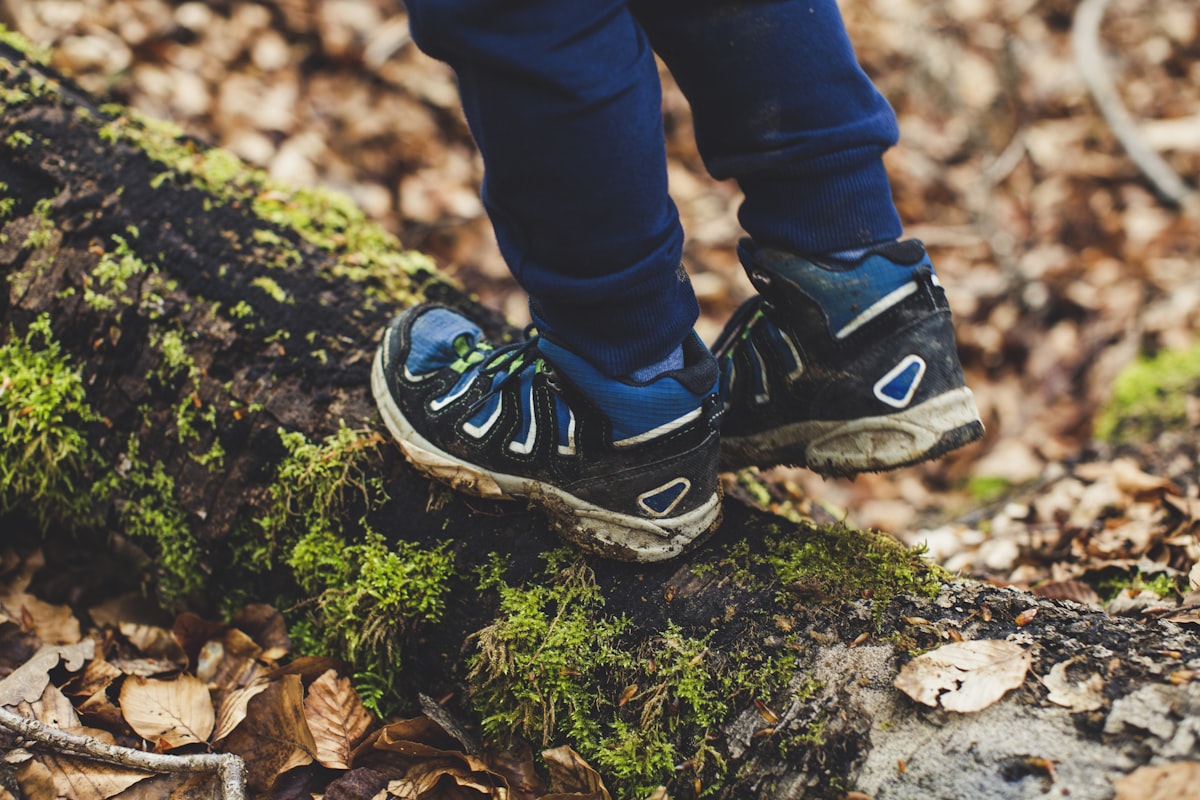
The best kids hiking boots offer a sturdy, grippy outsole, ankle support, and a waterproof or water-resistant upper, sized to fit growing feet with a little wiggle room at the toe. For most kids aged 2–8, a lightweight boot with a flexible midsole and quick-dry lining will handle everything from muddy forest paths to rocky trail sections. Fit and comfort always trump brand.
There's a particular kind of joy that happens when a kid figures out their own feet can take them somewhere. Up a root-covered hill, across a creek, through a field that goes on forever. But none of that magic happens if their feet are wet, blistered, or sliding around inside shoes that weren't built for the trail. Finding the right pair of hiking boots for your kid isn't about spending the most money or buying the most technical gear, it's about getting them something that feels good enough that they forget they're wearing it. Here's how to do exactly that.
What to Look For in Kids Hiking Boots
Not all hiking footwear is created equal, and the difference between a great trail day and a miserable one often comes down to a few key features. Before you start scrolling through options, here's what actually matters:
Outsole grip. Look for a rubber outsole with deep, multidirectional lugs. This is what keeps little feet from slipping on wet rocks or loose dirt. It sounds like a small thing until your 4-year-old is barreling down a trail covered in pine needles.
Ankle support. A mid-height boot (rather than a low trail shoe) gives younger hikers, especially toddlers still building coordination, extra stability over uneven ground. For older kids with stronger ankles, a trail runner-style low boot can work well too.
Water resistance. A waterproof or water-resistant upper (look for terms like GORE-TEX or treated leather) is a game changer in wet conditions. Wet socks are one of the fastest ways to end a hike early.
Breathability. Waterproof doesn't have to mean stuffy. A breathable membrane lets moisture from sweaty feet escape while keeping water out. Worth prioritizing for warm-weather hikes.
Easy on and off. Velcro closures or simplified lace systems are underrated features for the trail-bathroom-break-shoe-removal cycle that is real life with kids. Bonus: kids who can put their own boots on are way more likely to get excited about wearing them.
How to Get the Right Fit (This Is the Most Important Part)
Even the best boots on paper will fail if they don't fit correctly. Kids' feet grow fast, sometimes half a size in just a few months, and trail footwear needs to fit a little differently than everyday sneakers.
Toe room matters. There should be about a thumb's width between the end of your child's longest toe and the front of the boot. Too snug and you'll get blisters on descents. Too much room and they'll be tripping over themselves.
Width counts too. Many kids, especially toddlers, have wide feet. If the sides of the boot bulge or your child complains about squeezing, go up a width or try a brand known for roomier fits.
Try them with hiking socks. Always fit hiking boots with the socks your kid will actually wear on trail, a wool or synthetic cushioned hiking sock, not a thin cotton ankle sock. The difference in fit can be significant.
Let them walk around. If you're buying in store, have them walk on an inclined surface if possible. Watch for heel lift (the heel should stay put) and listen for complaints about pressure points. If you're buying online, order from a retailer with a hassle-free return policy and plan to try two sizes.
Buy ahead, not too far ahead. It's tempting to size up dramatically so boots last longer, but too much extra space means unstable footing. One half to one full size up from their current measurement is the sweet spot for getting a decent season out of a pair.
Bergen 2.0 PU Rain Set - Toddlers'/Kids'
Great boots are only half the equation. Pair them with a proper rain set and your kid is genuinely trail-ready in any weather. The Bergen 2.0 is a durable, fully waterproof rain jacket and pants combo that keeps everything above the boots dry, so even if they stomp through every puddle (and they will), they stay comfortable and warm. It's the kind of gear that removes every excuse not to head outside.
View on Amazon →Best Boot Types by Age and Trail Type
There's no single perfect boot for every kid and every trail. Think about where you actually hike and how old your child is when narrowing things down.
Ages 1–2yr: At this age, most kids are either in a carrier or just beginning to walk on uneven ground. Flexible, lightweight booties with rubber soles work well for short stretches of walking, the priority is still sensory feedback for developing walkers, so avoid overly stiff boots. Save the structured hiking boot for when they're genuinely walking trail distances independently.
Ages 2–3yr: This is when a proper toddler hiking boot starts to earn its place. Look for something lightweight with a simple closure, ankle support, and a grippy sole. They'll be hiking short distances but moving fast and unpredictably, so flexibility and grip matter most.
Ages 3–6yr: Full mid-height hiking boots become genuinely useful here. Kids in this range are often hiking half a mile to two miles and navigating real terrain. Waterproofing, ankle support, and a solid lug pattern are all worth prioritizing.
Ages 6–8yr: By now, many kids are hiking longer distances with more technical terrain. They can also give you better feedback about comfort. Some kids this age do well in lightweight trail runners rather than traditional boots, it depends on the terrain and the child.
For wet and muddy conditions: Waterproof uppers are non-negotiable. Pair them with gaiters for particularly muddy trails to keep debris out of the boot entirely.
For summer and hot weather: Breathability becomes the priority. Look for mesh panels and moisture-wicking linings, and consider whether a trail shoe (lower cut) might be more comfortable than a full boot.
Rainier Rain Pants - Infants'/Toddlers'
Before boots even come into the picture for the youngest hikers, waterproof pants are doing a lot of the heavy lifting. These Rainier rain pants keep toddler legs dry whether they're in a carrier or taking their first steps on a muddy trail. They're a natural companion to any good hiking boot setup, because dry feet only matter if the rest of them is dry too.
View on Amazon →How to Care for Kids Hiking Boots (So They Last More Than One Season)
Kids are hard on gear, that's kind of the whole point. But a few simple habits can extend the life of a quality pair of boots significantly, which matters when you've invested in a good pair.
Dry them properly after wet hikes. Remove the insoles and stuff the boots loosely with newspaper or a dry cloth to absorb moisture. Keep them away from direct heat sources like radiators or campfires, which can break down the adhesives and warp the sole.
Clean off mud before it dries hard. A quick rinse with a soft brush and cold water after muddy hikes prevents buildup that can degrade the upper material and block breathable membranes.
Reapply DWR treatment. The durable water repellent (DWR) finish on most waterproof boots wears off over time. A quick spray with a boot-specific DWR product restores the beading effect and keeps them shedding water the way they should. Most outdoor retailers stock this for a few dollars.
Check the fit every season. Kids' feet grow year-round. Check the fit at the start of each hiking season, don't assume last year's boots still fit just because they look fine. A boot that's too small is worse than no boot at all.
DotKnit Thermal Base Layer Set - Toddlers'
Good boots paired with a solid base layer means your toddler is set for cold-weather trail days. This thermal base layer keeps warmth locked in from the ground up, and it pairs perfectly under rain pants and a jacket for full-system layering. When little bodies stay warm and comfortable, hikes go longer, and you'll actually want to do it again tomorrow.
View on Amazon →Building the Full Outdoor Kit Around Great Boots
Boots are the foundation, but they work best as part of a complete outdoor kit. Once you've nailed footwear, the next things that make the biggest difference are weather-appropriate clothing layers, a carrier for when little legs get tired, and a way to carry snacks and supplies without weighing yourself down.
The goal, always, is to remove friction. The easier it is to get out the door and stay comfortable on trail, the more often you'll actually do it. And the more often you do it, the more your kid starts to see the outdoors as just... normal life. Not a special occasion. Not a production. Just what your family does.
That's the whole thing, really. Great boots just help make it feel effortless.
Thule Sapling Child Carrier
Even the best hiking boots can't power a tired toddler through the last mile of a trail. The Thule Sapling child carrier is what you reach for when little legs tap out, or when the terrain gets too technical for a 3-year-old navigating on their own. It's supportive, comfortable for both parent and child, and built for real hiking, not just short walks. It's the backup plan that makes longer adventures actually achievable.
View on Amazon →Frequently Asked Questions
Add these picks to your The Barefoot Bub registry
Build your outdoor childhood kit with everything we recommend.
Start Your Registry