Best Hiking Backpack for Toddlers: Top Picks for Trails
The Barefoot Bub may earn a commission from links on this page. We choose products independently.
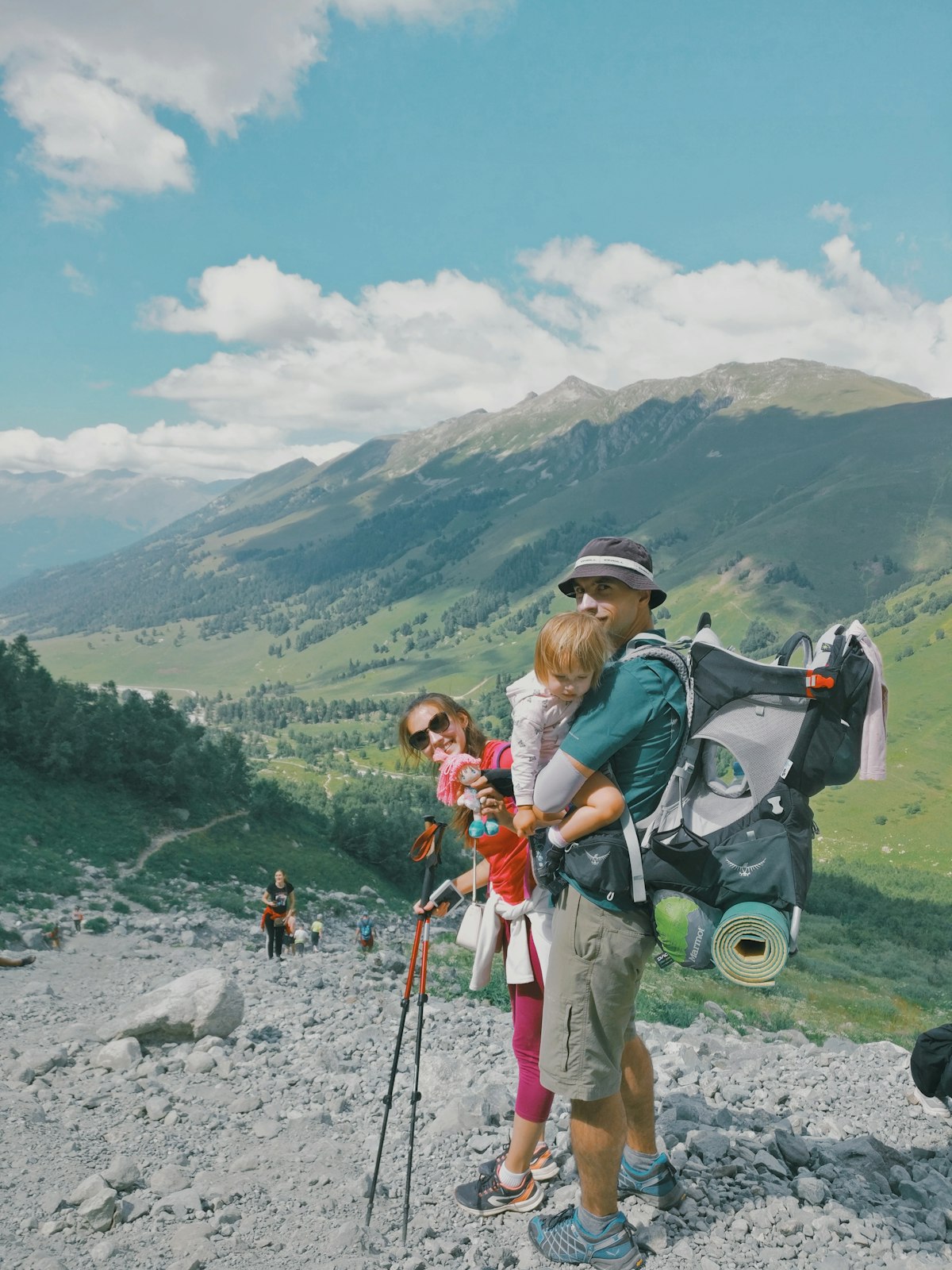
The best hiking backpack for a toddler is a structured child carrier with a sturdy frame, adjustable torso fit for the adult, and safety features like a harness and head support. The Thule Sapling is our top pick at The Barefoot Bub, it's built for real trails, fits a wide range of body types, and grows with your child from around 6 months through the toddler years. Look for a carrier that balances your child's comfort with your own load-bearing needs.
There's something about hoisting your toddler onto your back and hitting a trail that just feels right. The world looks bigger from up there, your kid narrows in on every bird and beetle you'd have walked right past, and you get to keep moving in a way that actually feels like you again. But finding the right hiking backpack carrier? That part takes a little research. Not every carrier is built for uneven ground, heavier kids, or long days outside. So we've done the digging for you, here's what actually matters, what to look for, and what we recommend.
What Makes a Hiking Backpack Different From a Regular Carrier?
This is a question worth pausing on, because it changes what you buy. A soft structured carrier, the kind you'd use for grocery runs or a neighborhood walk, is designed for close contact and urban convenience. It's great for that. But it isn't designed for a four-mile trail with elevation change and a 28-pound toddler who keeps leaning sideways to look at a squirrel.
A hiking backpack carrier is a different category entirely. It has a rigid aluminum or composite frame that transfers your child's weight to your hips (where you want it, not your shoulders). It has ventilation between your back and the carrier so you're not completely drenched by mile two. It usually includes a built-in sunshade, a storage compartment for snacks and extra layers, and a 5-point harness to keep your toddler secure when they inevitably start wiggling.
The key things to look for in a framed hiking carrier:
- Hip belt fit: The weight should ride on your hips, not your shoulders. An adjustable torso length is essential if you and your partner share the carrier.
- Child harness: A 5-point harness keeps your toddler secure. Check that it adjusts as they grow.
- Kickstand: This is a small detail that becomes enormous in practice, it lets the carrier stand upright on its own while you load and unload your child.
- Head support: For moments when your toddler falls asleep mid-hike (it will happen), good head and neck support is a must.
- Storage: You'll need it. Snacks, a rain layer, a spare diaper, sunscreen, real trail days require real storage.
Thule Sapling Child Carrier
This is our go-to recommendation for families who hike seriously. The Thule Sapling has a adjustable torso fit that genuinely accommodates different adult body types, a well-padded hip belt that moves weight where it belongs, and a sun canopy that actually covers your toddler (not just gestures at them). The kick stand is rock solid, loading is easy, and there's enough storage to get through a solid half-day trail. If you're going to invest in one hiking carrier, this is it.
View on Amazon →What Age and Weight Range Should You Plan For?
Most framed hiking carriers are designed for children who can sit up unassisted, typically around 6 months, and go up to 48.5 lbs depending on the model. That covers a big chunk of the toddler years and then some. But here's the honest truth: the sweet spot is roughly 1 to 4 years old. At this stage, your child is curious and engaged enough to love the ride, heavy enough that a frame carrier makes a real difference for your body, and still small enough that the carrier fits within its weight rating with room to grow.
For younger babies on the trail, a soft carrier like the Ergobaby Omni works beautifully for shorter walks and gentler terrain. But as your baby crosses into the toddler zone and the trails get longer, the framed carrier earns its place in a big way.
A note on the "just one more year" trap: parents often delay buying a frame carrier because they think their toddler is "too big soon." In reality, you likely have two to three solid years of trail use ahead of you. The investment makes sense.
Ergobaby Omni Classic Baby Carrier
Before your baby is ready for a framed carrier, the Ergobaby Omni is our favorite for trail-adjacent adventures, gentle hikes, nature walks, and outdoor exploration in the first year. It's supportive, breathable, and ergonomic for both parent and baby. When you're ready to graduate to a frame carrier, this one keeps earning its place for urban days and quick outings.
View on Amazon →How to Fit a Hiking Carrier Correctly (This Part Really Matters)
A framed carrier that fits poorly is worse than one that doesn't fit at all, because you'll keep thinking you can push through the discomfort, and you'll end up with a sore back and a shorter hike than you planned. Getting the fit right is the single biggest factor in how much you enjoy using it.
Here's how to approach it:
Start with the hip belt. The hip belt should sit on your hip bones, not your waist. Tighten it first, before touching the shoulder straps. If the belt is sitting too high or too low, adjust the torso length on the carrier, most quality hiking carriers allow this.
Then adjust the shoulder straps. Pull them snug but not tight. You should be able to slide two fingers under them. The load lifter straps (the ones that angle up from the shoulder strap to the top of the frame) should form roughly a 45-degree angle, they control how the weight transfers.
Test with your actual child. Weight distribution changes entirely once your toddler is in the seat. Re-check the hip belt after loading and tighten anything that shifted. It's also worth doing a short walk around before you commit to a full day on trail, a 10-minute backyard test tells you a lot.
If you and a partner share the carrier, prioritize one with tool-free torso adjustment. You'll both actually use it instead of whoever adjusted it last getting stuck with it.
Gear That Makes Trail Days With Toddlers Actually Work
The carrier gets your toddler from the trailhead to the summit. But the rest of your kit determines whether the whole day goes smoothly. A few things that round out a solid hiking setup:
Rain protection. Weather changes fast on trail, especially at elevation. A dedicated rain cover for your child carrier means you're not cut short by a surprise shower. The Poco Raincover is purpose-built for carrier use and packs down small enough that there's no reason not to bring it every time.
Poco™ Raincover
Designed specifically for child carriers, this raincover snaps on quickly and keeps your toddler dry when the weather turns. It's compact, packs into its own pouch, and fits neatly into the carrier's storage pocket so it's always with you. For Pacific Northwest families or anyone hiking in variable conditions, this is a non-negotiable add to your kit.
View on Amazon →Trail snacks, sorted. Hungry toddlers at mile 3 are their own kind of emergency. A well-packed lunch setup means you can address a snack request without stopping to dig through your bag. The PlanetBox Rover bento box is our pick for organized, easy-access trail snacks, compartments keep things separated and it's genuinely toddler-friendly to open.
PlanetBox Rover Stainless Steel Bento Box
Trail snacks organized and ready to go, that's what the PlanetBox Rover delivers. Stainless steel means it handles bumps, drops, and rough treatment without issue. Multiple compartments keep snacks separated so nothing gets squashed, and it fits easily into most carrier pockets. A legitimately useful piece of gear for any outdoor family.
View on Amazon →Layers for your toddler. Toddlers in a carrier aren't generating their own body heat the way they would be if they were running around. Dress them one layer warmer than you'd expect, and bring a rain layer regardless of the forecast. The Bergen 2.0 Rain Set is a great option, fully waterproof and built for actual movement.
Bergen 2.0 PU Rain Set – Toddlers'/Kids'
A proper rain jacket and pants set that's genuinely waterproof (not just water-resistant). The Bergen 2.0 is built for outdoor movement and holds up to real weather. It's our go-to recommendation for trail layers because it does its job without making your toddler feel like they're wearing a garbage bag, easy to move in, easy to pack.
View on Amazon →Frequently Asked Questions
Add these picks to your The Barefoot Bub registry
Build your outdoor childhood kit with everything we recommend.
Start Your Registry