Best Balance Bike for a 2 Year Old: What to Look For
The Barefoot Bub may earn a commission from links on this page. We choose products independently.
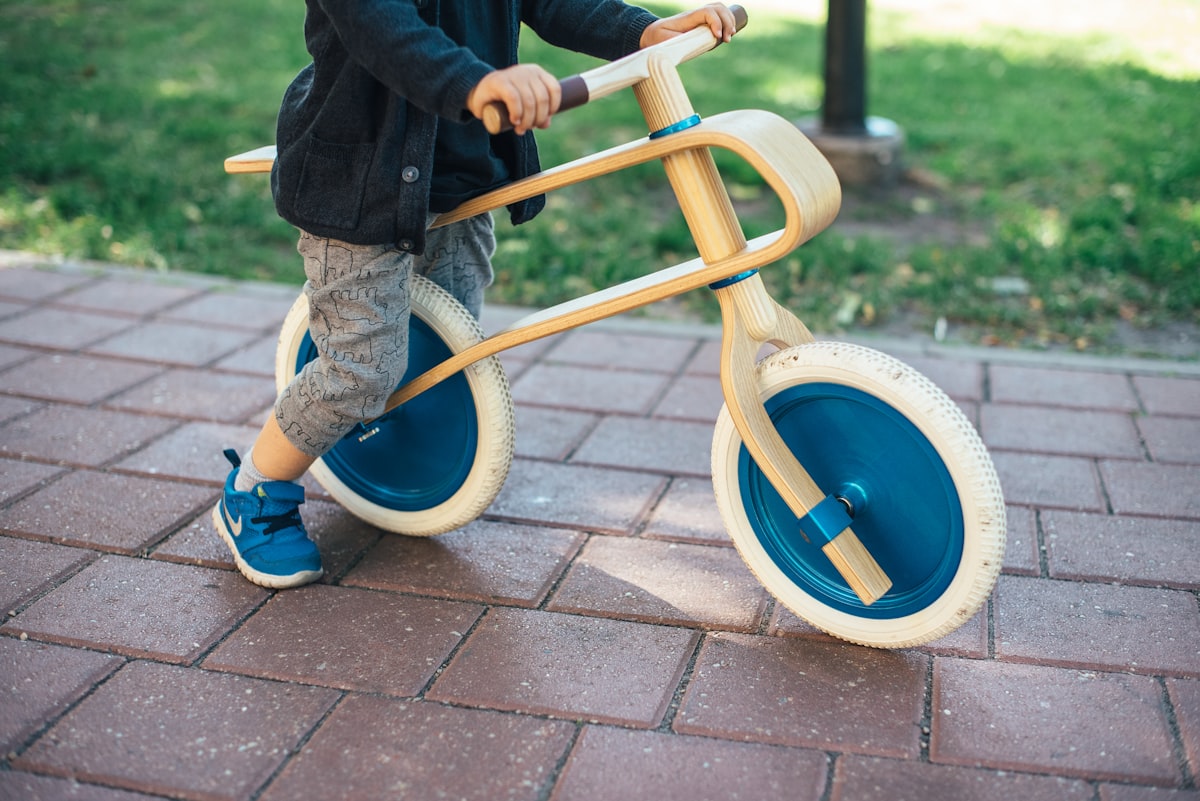
The best balance bike for a 2 year old is lightweight, has a low seat height (under 12 inches), and is simple enough that your toddler can focus on scooting and steering without fighting the bike. At this age, kids are just learning to coordinate movement and build confidence, so less is genuinely more. Look for a bike that fits their inseam now, not one they'll "grow into."
If you've watched a two year old discover that they can actually steer something with their own two legs, you know that look on their face. Pure, unfiltered joy. Balance bikes are one of those rare gear wins where the research backs up what you see in real life: kids who learn on balance bikes tend to skip training wheels entirely and transition to pedal bikes faster and with more confidence. But picking the right one for a two year old specifically takes a little more thought than just grabbing whatever's on sale. Here's what actually matters at this age, and how to make a smart choice without overthinking it.
Why Two Is Actually a Great Age to Start
A lot of parents assume balance bikes are for three or four year olds, but two is honestly a sweet spot, especially for kids on the taller end of the toddler spectrum. At this age, kids are developing gross motor skills rapidly, and the open-ended nature of a balance bike meets them exactly where they are. There's no wrong way to use it at first. Some kids sit and scoot with both feet. Some push with one foot. Some just walk it around like a very low stroller. All of it counts. All of it is building the balance and body awareness that makes riding feel natural later on. The key is keeping the experience fun and pressure-free, which means having a bike that doesn't create friction. If it's too heavy to pick up, too tall to sit on comfortably, or has fiddly features a toddler can't manage, it becomes a source of frustration instead of joy. You want something that disappears into the play, not something that requires a tutorial.
The Fit Details That Actually Matter
Seat height is the single most important spec to check. For a two year old, you're generally looking at a minimum seat height of around 10–12 inches, depending on your child's inseam. The rule of thumb: when your toddler sits on the seat with feet flat on the ground, there should be a slight bend in their knees, not locked straight, not up near their chest. That sweet spot gives them power to push off and control to coast. Weight matters more than most parents expect. A 2 year old has limited strength and frustration tolerance. A bike that weighs 8 or 9 pounds might not sound like much to you, but it's a significant portion of their body weight. Lighter bikes, in the 5–7 pound range, get used more because they're easier to manage, carry, and pick back up after a tumble. Tires are worth thinking about too. Foam tires are the lowest maintenance option, no flats, no pumping, ever. Air tires give a slightly smoother ride but require occasional inflation. For a two year old riding on sidewalks and grass, foam tires are usually the more practical pick. Finally, look for a handlebar with a natural turning limit so your toddler can't crank the wheel 90 degrees and pitch themselves over. It's a small feature that makes a real difference in the early days.
What You Don't Need at This Age
Balance bike marketing loves to pile on features. Hand brakes. Multiple seat positions. Footrests for gliding. Here's the honest truth: most two year olds don't need, and won't use, a hand brake. Their instinct is to drag their feet to stop, and that's developmentally appropriate. A hand brake added too early can actually create confusion or a false sense of security before they have the coordination to use it reliably. Keep it simple. A well-fitted, lightweight bike with a good steering limiter is all a two year old needs. You can always add complexity as they grow. The goal right now is confidence and fun, not performance specs.
Setting Up for Success: Beyond the Bike Itself
The bike is only part of the picture. Where and how you introduce it matters just as much. Start on flat, smooth surfaces, a quiet sidewalk, a paved path, a gentle grassy slope. Helmet fit is non-negotiable from day one, even on the first scoot session. Getting your toddler comfortable wearing a helmet as part of the routine (not as a big deal, just as the thing you do before you ride) makes everything easier going forward. Protective gear like knee pads and wrist guards can help timid kids feel more confident, but don't make every outing a full gear-up production or it becomes a barrier to spontaneous rides. And ride alongside them when you can. Whether that's on your own bike, on foot, or with the help of a cargo bike or trailer, making it a shared outdoor experience is what turns a balance bike into a memory. Speaking of getting the whole family outside on wheels together, if you've been thinking about a bike trailer setup that lets your 2 year old ride when they're tired or you're covering more distance, the Thule Chariot Cross is worth a look.
Thule Chariot Cross 2 Bike Trailer - Double
On longer family rides, your 2 year old will inevitably hit a wall. The Thule Chariot Cross 2 is the kind of backup plan that makes ambitious outings actually work, it converts between a bike trailer, a stroller, and a jogger, so it grows with your family. When your toddler is done scooting on their balance bike and wants a ride, you're covered. The double version is especially handy if you have a younger sibling in the mix.
View on Amazon →Gearing Up for All-Weather Riding
One of the best things you can do for a 2 year old balance biker is make outdoor time weather-proof. Toddlers who get used to riding in light rain, cool temps, and muddy conditions early on become kids who want to be outside in any season. That means having the right layers for them, and honestly, for you. A good rain suit is the single biggest unlock for year-round outdoor play at this age. Once you're not dreading a drizzle, the whole thing gets a lot more spontaneous.
Bergen 2.0 PU Rain Set - Toddlers'/Kids'
This is the rain suit we'd reach for every time. The Bergen 2.0 is waterproof, durable, and actually comfortable enough that toddlers don't fight putting it on. Perfect for balance bike sessions that start sunny and end in a surprise drizzle, which, let's be honest, is most of them. It fits over layers easily and holds up to the kind of repeated use that toddler outdoor gear demands.
View on Amazon →Rainier Rain Pants - Infants'/Toddlers'
If your toddler already has a rain jacket they love, these rain pants are the perfect companion for balance bike season. Waterproof and easy to pull on over whatever they're already wearing, they mean a wet sidewalk or damp grass is never a reason to skip the ride. Simple, functional, and sturdy enough to survive a determined two year old.
View on Amazon →DotKnit Thermal Base Layer Set - Toddlers'
For cooler morning rides or fall and winter balance bike sessions, a good base layer changes everything. This thermal set keeps little bodies warm without adding bulk that restricts movement, and toddlers on balance bikes need full range of motion. Layer this under the rain suit on cold, wet days and your 2 year old can ride comfortably in conditions that would have stayed inside before.
View on Amazon →Frequently Asked Questions
Add these picks to your The Barefoot Bub registry
Build your outdoor childhood kit with everything we recommend.
Start Your Registry