Activities Instead of Screen Time for Kids (That Actually Work)
The Barefoot Bub may earn a commission from links on this page. We choose products independently.
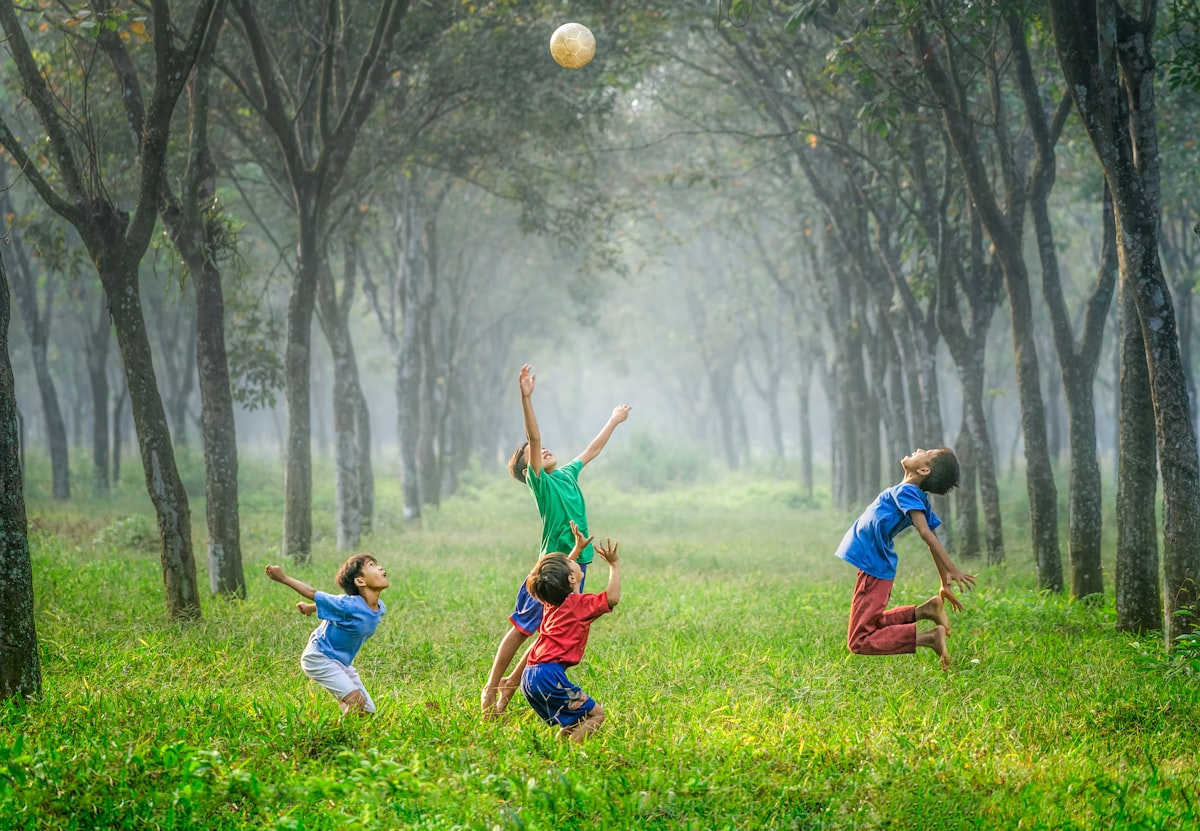
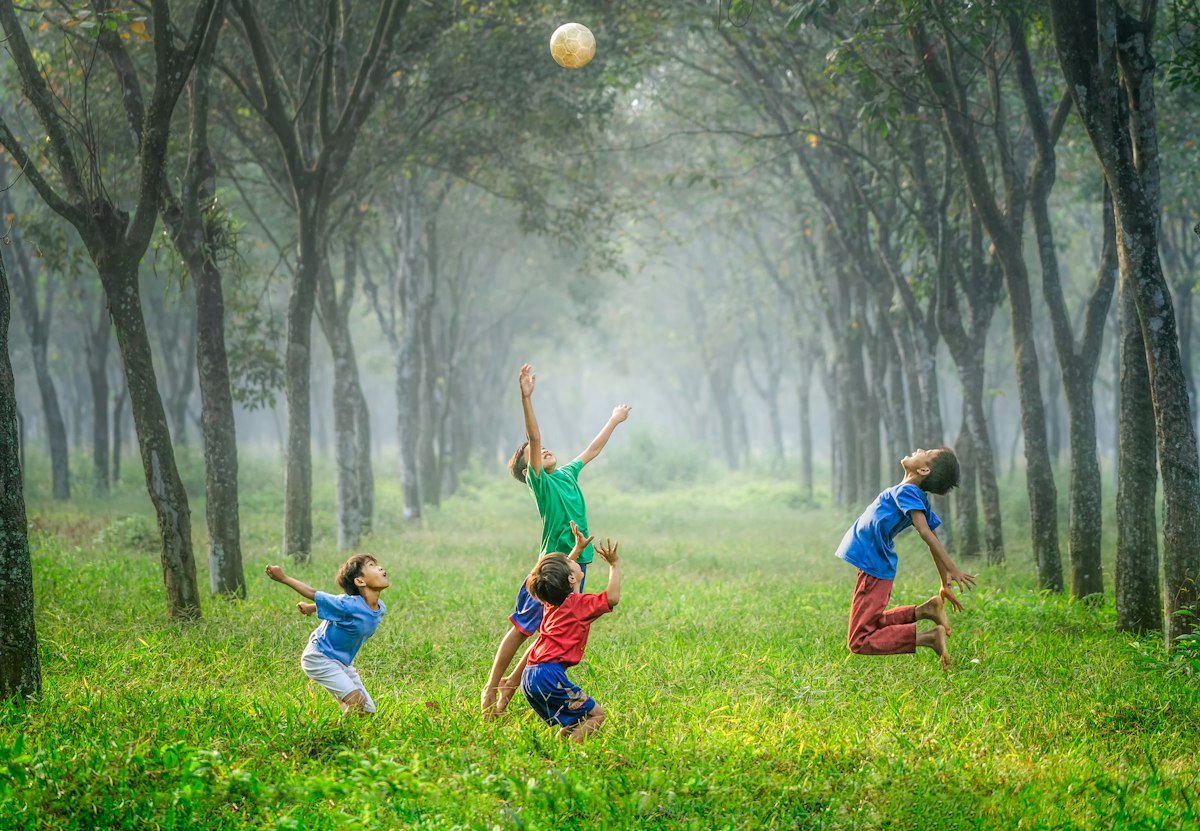
The best activities instead of screen time for kids are ones rooted in movement, nature, and open-ended play, things like outdoor exploration, bike rides, gardening, and unstructured backyard time. These don't require elaborate setups or perfect weather. They just require a little intention and the right gear to make getting outside feel easy enough to actually happen.
Every parent hits that moment. The tablet comes out, the whining stops, and you get ten minutes of peace, and then the guilt kicks in. Sound familiar? Here's the thing: you're not looking for a lecture on screen time limits. You're looking for ideas that actually hold your kid's attention, fit into a real day, and don't require you to become a full-time activities coordinator. The good news is that the most effective screen time alternatives aren't complicated. They're usually just outside your front door, and they work because kids are genuinely wired for movement and exploration. You just need a few strategies (and maybe a little gear) to make them stick.
Why Outside Time Is the Easiest Screen Time Swap
Before we get into the list, here's the honest truth: outdoor time is the single most reliable replacement for screens at almost every age. Not because nature is magical (though it kind of is), but because the outdoors is inherently stimulating without being engineered to be addictive. There's no algorithm optimizing a muddy puddle to keep your toddler hooked. It just does it naturally. Research consistently shows that time in nature reduces stress hormones in children, supports attention regulation, and improves mood, all the things we're hoping screens won't erode. And the bar for "outdoor time" is genuinely low. A walk around the block counts. So does ten minutes in the backyard with a stick and a bucket of water. The goal isn't adventure every day. It's just consistent time away from a glowing rectangle, moving through the real world.
Activity Ideas by Age (That Kids Will Actually Choose)
The key to a successful screen time alternative is that it has to feel like a better offer, not a punishment. Here's what tends to work at different stages:
For babies and toddlers (0–2yr): Sensory walks are your best friend. Let them touch bark, grass, and leaves. Let them watch clouds. Even a stroller ride counts, the visual input alone is rich compared to a flat screen. Babywearing during walks is another win: your baby gets closeness, movement, and a full panoramic view of the world.
Ergobaby Omni Classic Baby Carrier
For parents of younger babies, this carrier is a game-changer for making outdoor time truly hands-free. Your baby is snug, supported, and taking in the whole world from the best seat in the house, right on you. It grows with your baby from newborn through toddlerhood, so it earns its keep for a long time.
View on Amazon →For ages 2–4yr: Mud kitchens, nature scavenger hunts, watering plants, collecting rocks, and simple gardening projects are endlessly engaging. At this age, kids don't need structured activities, they need permission and a little setup. A patch of dirt and a few old spoons can hold a three-year-old's attention longer than most apps.
For ages 4–8yr: Bike rides, nature journaling, backyard obstacle courses, bug hunting, and outdoor building projects (think: forts, stick structures, leaf boats in a stream) start to take over. These kids want challenge and a little complexity. Involve them in planning the outing and they're far more bought in.
Thule Chariot Cross 2 Bike Trailer - Double
If you have two kids and want to make family bike rides a genuine screen time alternative, this is the piece of gear that makes it effortless. It converts across multiple uses, handles different ages, and gets everyone outside together, which is always the point.
View on Amazon →The Rainy Day Problem (And How to Solve It)
The most common reason outdoor alternatives fall apart? Weather. The moment it rains, the default goes back to screens, and honestly, that makes complete sense if you're not set up for it. The Scandinavian parenting approach has a phrase for this: "there's no such thing as bad weather, only bad clothing." And while that sounds like something on a motivational poster, it's genuinely practical advice. When your kids have rain gear that fits and works, rainy day walks become a highlight instead of a hardship. Puddle jumping is legitimately one of the most satisfying activities a toddler can do, and it requires exactly zero screen time.
Bergen 2.0 PU Rain Set - Toddlers'/Kids'
This rain set is the reason "it's raining" stops being an excuse. Quality waterproof coverage means your kid can stomp through puddles, poke at worms after a storm, and spend real time outside without you spending the next hour trying to dry out a soaked child. It's the gear that makes the rainy day alternatives actually happen.
View on Amazon →Beyond rain gear, indoor alternatives that genuinely compete with screens tend to involve hands. Baking together, building with real tools (age-appropriate, of course), making art with materials that have texture and weight, these engage the senses in ways that screens simply can't. They're not a perfect substitute for outside time, but they're meaningful on days when outside isn't happening.
Books That Build a Nature-Connected Mindset
One underrated screen time alternative is reading, especially books that spark curiosity about the natural world. When your kid is genuinely interested in bugs, plants, weather, or animals, they start looking for those things outside. The books almost create their own activity. A few well-chosen titles can shift the whole frame from "let's go outside" (obligation) to "I want to go look for those beetles I read about" (intrinsic motivation).
How to Raise a Wild Child: The Art and Science of Falling in Love with Nature
This one's for you, not the kids, and it's one of the most practical parenting books in our catalog. Written by naturalist Scott Sampson, it gives you concrete, low-pressure ways to help your child fall genuinely in love with the outdoors. Less guilt, more ideas. That's exactly what this kind of parenting needs.
View on Amazon →Dopamine Kids: A Science-Based Plan to Rewire Your Child's Brain and Take Back Your Family in the Age of Screens and Ultraprocessed Foods
If you want to understand the "why" behind screens and kids, the actual brain science, not the fear-based headlines, this book lays it out clearly and gives you a real plan. It's evidence-informed, not preachy, and it will completely change how you think about building healthier defaults at home.
View on Amazon →Making It a Habit, Not a Battle
Here's the part nobody talks about enough: the goal isn't zero screens. It's building enough competing habits that screens become one option among many, rather than the default. That shift doesn't happen overnight, and it doesn't happen through willpower alone. It happens through environment design. When the rain boots are by the door, kids put them on and go outside. When the bike is accessible, kids ride it. When there's a bucket of nature journaling supplies on the kitchen table, kids reach for it. Friction is the enemy of any habit, for kids and for parents. The less effort it takes to choose the alternative, the more often the alternative gets chosen. Think about one or two changes you can make to your physical environment this week that make outside time easier. That's it. That's the whole strategy.
Frequently Asked Questions
Add these picks to your The Barefoot Bub registry
Build your outdoor childhood kit with everything we recommend.
Start Your Registry